NTPC tenders for energy storage combined with 30MW of new and existing solar in Andaman and Nicobar islands, Mahindra closes financing on 250MW Rewa solar project with Yes Bank, Vikram Solar commissions 100kW rooftop solar project for Indian Oil Corporation.
Speakers at Energy Storage Europe were confident, despite a few reservations, that Germany’s new government which grants Chancellor Angela Merkel a fourth term in office will be good for the environment and for renewable energy.
Australian real estate developer Mirvac looks set to put a sizeable amount of solar-plus-storage into brand new homes in Sydney and Brisbane, with help from the national Clean Energy Finance Corporation.
India-based solar manufacturer and EPC player Vikram Solar has signed a collaboration agreement with the French Alternative Energies and Atomic Energy Commission (CEA), while at the founding ceremony of the International Solar Alliance (ISA).
After cancelling a major solar-plus-storage tender in the Andaman and Nicobar Islands, even after holding an auction, NLC India has now released a new tender with a reduced energy storage component, as expected.
Valentin Software’s new PV system design software PV*SOL premium 2018 has been enhanced to provide the ability to input object data, 3D models in different file formats into the software via a new interface. This makes it possible to import realistic and detailed 3D objects created with photos taken from different perspectives (e.g. using a drone).
Madagascar’s Ministry of Water, Energy and Hydrocarbons (MEEH) has released a list of six pre-qualified bidders for the country’s 25MW(AC) Scaling Solar tender, which is the first to include energy storage in its remit.
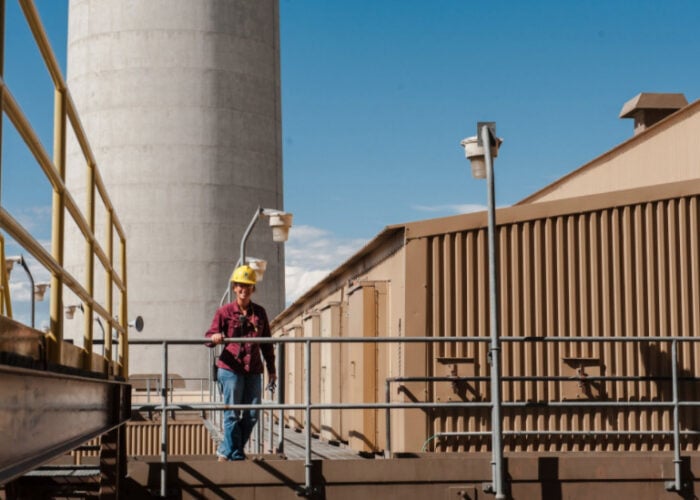
Nonprofit utility Platte River Power Authority has issued a request for proposals (RfP) for at least 20MW of solar PV systems and up to 5MWh of battery energy storage for its power mix in Colorado.
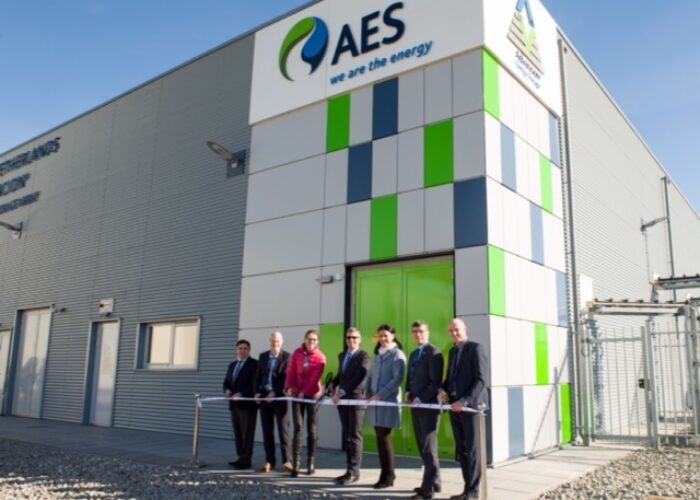
AES Distributed Energy (AES DE), a subsidiary of AES Corporation, and nonprofit transmission firm Kauai Island Utility Cooperative (KIUC) have broken ground on a 28MW solar and 100MWh five-hour duration battery energy storage system in Kauai, Hawaii.