Battery energy storage system (BESS) developer Harmony Energy and First Renewables have approved the final investment for a 202MW solar PV power plant being developed near Te Aroha on the North Island of New Zealand.
In a statement made yesterday (30 January), First Renewables, a subsidiary of New Zealand energy group Clarus, confirmed that the site’s construction is now scheduled to take place sometime this year. Harmony Energy and First Renewables are pursuing it via a joint venture (JV) penned last year.
Try Premium for just $1
- Full premium access for the first month at only $1
- Converts to an annual rate after 30 days unless cancelled
- Cancel anytime during the trial period
Premium Benefits
- Expert industry analysis and interviews
- Digital access to PV Tech Power journal
- Exclusive event discounts
Or get the full Premium subscription right away
Or continue reading this article for free
Set to be developed on 182 hectares, the Tauhei Solar Farm will install 330,000 solar PV modules with an annual electricity generation capacity of 280GWh and 150MWdc capacity at the point of interconnection to the grid, a Harmony Energy spokesperson previously told PV Tech.
Commissioning is anticipated for late 2026. Once completed, the two companies claim it will be the largest solar PV power plant in New Zealand. It should be noted that this is not the largest PV plant proposed for the market with even larger ones, such as the 420MW Point Solar Farm, situated in Canterbury, and the recently revealed 400MW Te Rahui solar PV plant, bigger than Tauhei.
A power purchase agreement (PPA) has been signed with Meridian Energy, a state-owned energy company, for 100% power plant output for the first 10 years of operation.
Construction will last approximately two years and create 350 full-time jobs during the peak of this phase. The JV has appointed Elecnor, a global renewable energy engineering procurement and construction contractor, as the lead construction partner for building the solar plant.
James Irvine, general manager of future fuels at Clarus, said the solar PV plant will not only boost decarbonisation in New Zealand but also boost biodiversity in the region.
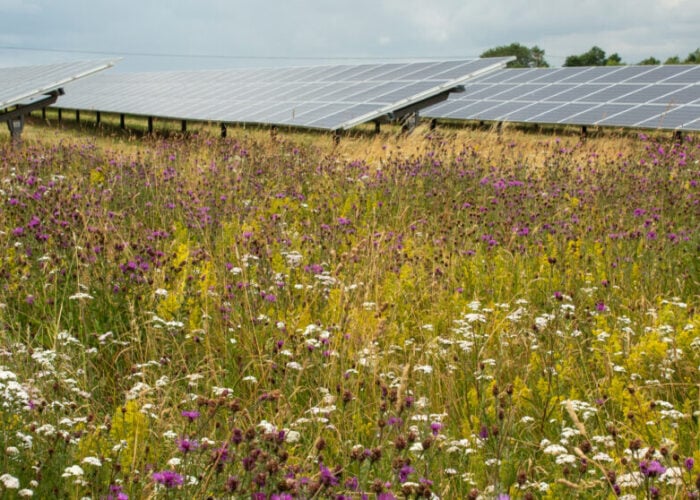
“It [the solar PV plant] will also generate jobs and business opportunities and support biodiversity in the area by creating a wetland and allowing the land to continue to be used for farming,” Irvine said.
The companies have confirmed that approximately 120,000 native plants will be planted near the power plant. So far, around 25,000 native plants have already been planted along the boundary of the solar PV plant to establish screening as early as possible.
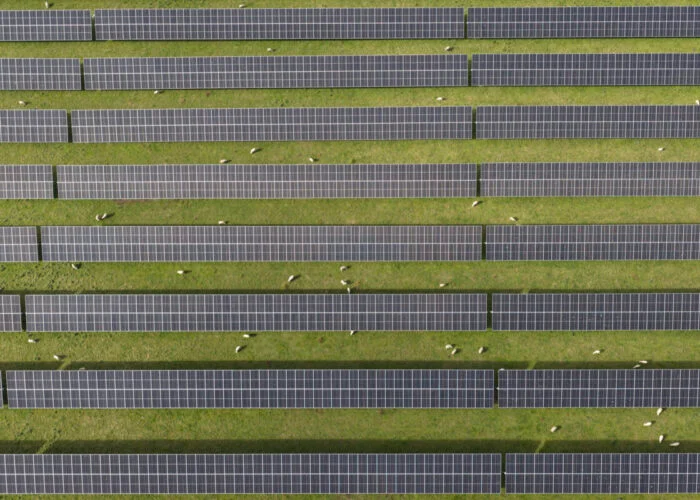
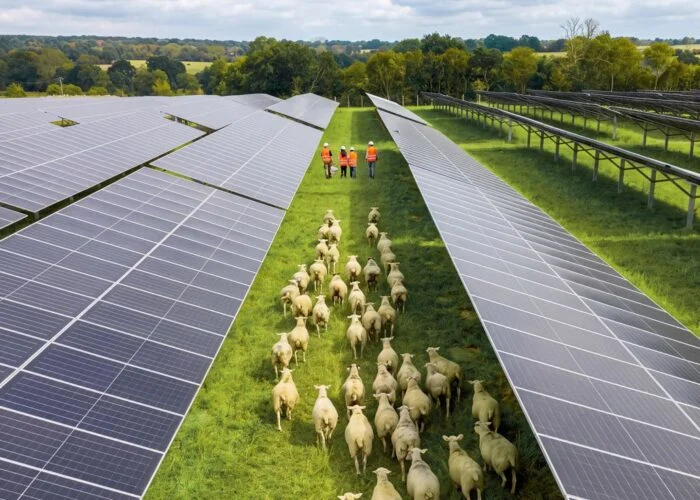
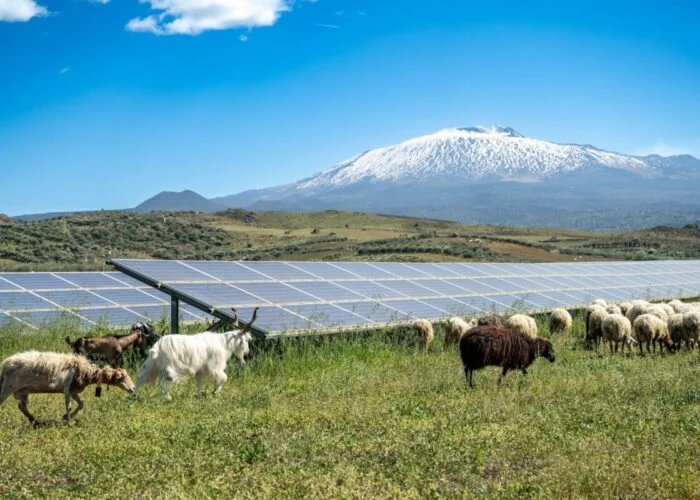
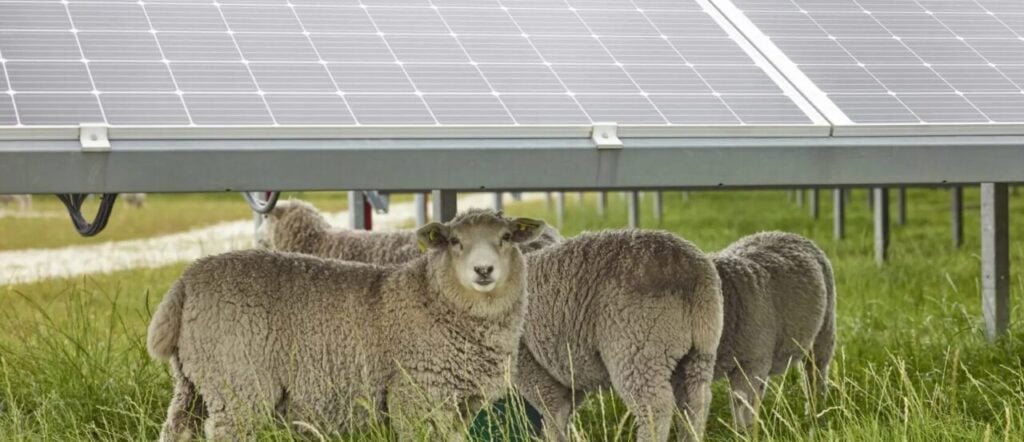
The project is also set to incorporate agrivoltaics into the project’s design, enabling a switch from dairy to sheep farming. The PV array will provide shelter and shade for the sheep, while also helping to retain moisture in the ground during the hottest months of the year.
New Zealand’s 2024 ‘energy crisis’ grants solar PV an opportunity
Much of the New Zealand grid is dominated by hydroelectric power plants, most of which are situated on the country’s southern island. This reliance on hydroelectricity, however, caused an energy crisis last year, with a dry year significantly reducing the output of these plants. In turn, wholesale electricity prices shot up as the country became ever reliant on oil and gas.
The turbulence last year now presents an opportunity for solar PV, wind, and energy storage to secure a more prominent role in the island nation’s electricity mix, something Sarah Gillies, chief executive of the Electricity Authority, spoke with PV Tech Premium about last year.
Gillies told PV Tech that more investment is needed to support and stabilise New Zealand’s electricity system, with the next 12-24 months set to “continue to be challenging”.
“We need more investment in generation and to harness opportunities from new technologies and demand response to keep the lights on at an affordable price. Looking ahead, we continue to need a combination of fuels and the supply,” Gillies said.