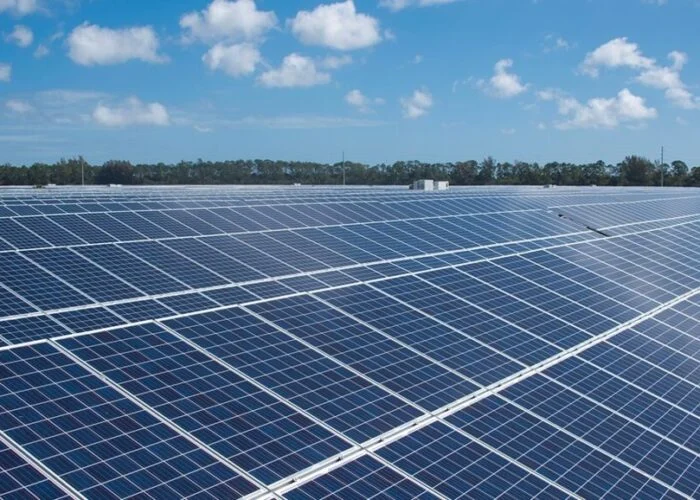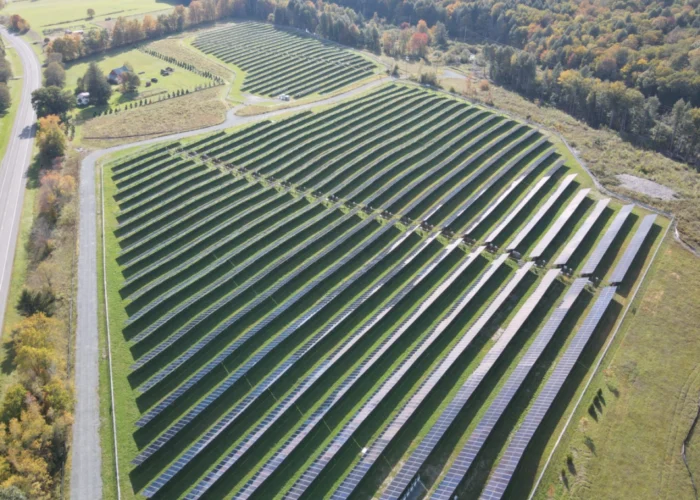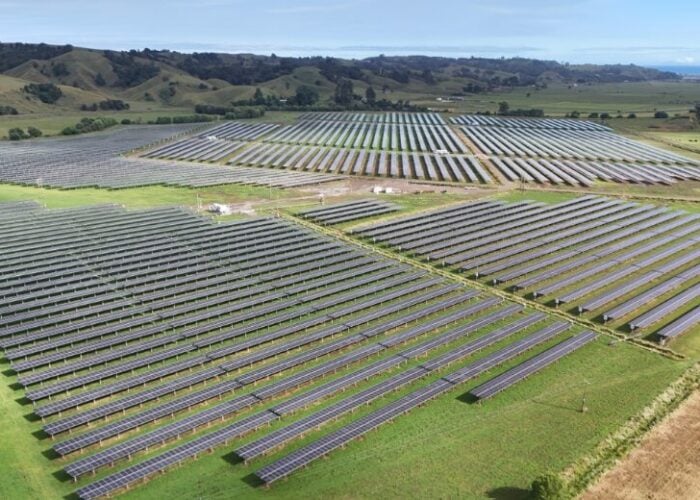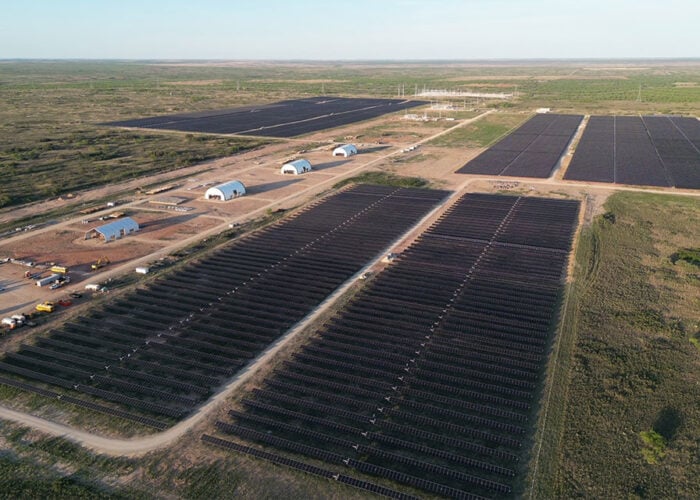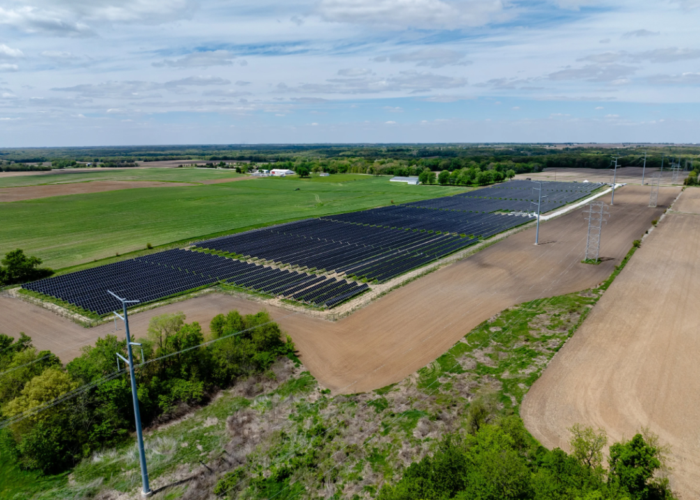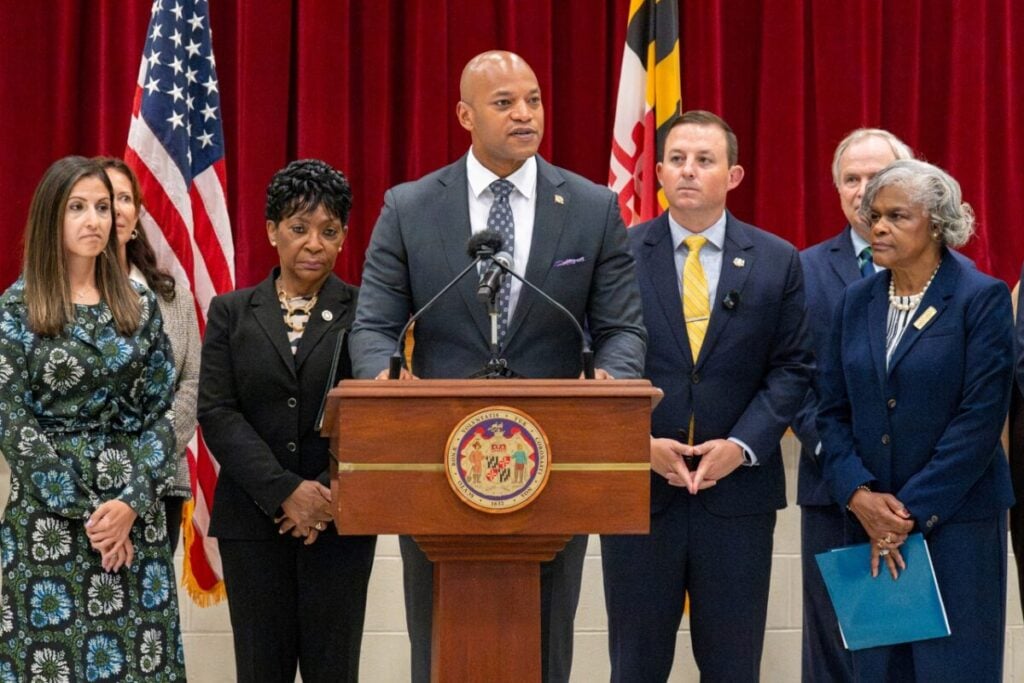
The governor of the US state of Maryland, Wes Moore, has launched a new fund to invest US$70 million in local solar and energy storage projects.
The state said the investment was a response to recent policy changes by the Trump administration, which have resulted in significant scaling back of federal support for clean energy.
Try Premium for just $1
- Full premium access for the first month at only $1
- Converts to an annual rate after 30 days unless cancelled
- Cancel anytime during the trial period
Premium Benefits
- Expert industry analysis and interviews
- Digital access to PV Tech Power journal
- Exclusive event discounts
Or get the full Premium subscription right away
Or continue reading this article for free
“The investment will spur local, clean energy production by mitigating financial uncertainty caused by the Trump Administration’s cuts to the Investment Tax Credit under the One Big Beautiful Bill Act,” a statement on the measures said.
The US$70 million Solar and Energy Storage Gap Financing Program will established under the Lower Bills and Local Power Act, part of a legislative drive aimed at improving energy affordability in the state. Few details on the fund have yet been published, but it will be administered by the Maryland Energy Administration, using capital from the Strategic Energy Investment Fund, and invest in “shovel-ready solar-plus-storage projects”.
“Energy policy is about more than megawatts and transmission corridors – it is about whether Maryland families can afford to live in their homes,” said Governor Moore. “That’s why our administration is stepping up to deliver real relief, focusing on driving down the cost of utility bills for Marylanders, and investing in local projects that make energy more reliable and affordable.”
The Lower Bills and Local Power Act supports the governor’s Building an Affordable and Reliable Energy Future executive order, deploying nearly US$200 million from the Strategic Energy Investment Fund – sourced from utilities’ alternative compliance payments – to address rising energy costs. The legislation focuses on direct bill relief, grid modernisation and local generation development.
To modernise Maryland’s transmission system, the Lower Bills and Local Power Act requires “utilities to prioritise advanced and grid-enhancing transmission technologies when expanding capacity.” The measures are intended to increase the efficiency and capacity of existing lines, improving reliability without the need for new infrastructure. Utilities seeking approval for new transmission projects must first submit plans to deploy these technologies to the Public Service Commission.
The legislation has also allocated US$10 million from the Strategic Energy Investment Fund to the Maryland Department of Transportation to identify opportunities for high-voltage transmission and battery storage projects along state and interstate highways. By using existing highway rights-of-way, the state aims to “accelerate deployment by avoiding complex land acquisition and permitting”.
The legislation removed the existing 0.5% utility incentive, which allowed companies to earn additional profits. It also requires utilities to join the regional transmission organisation PJM Interconnection. The state said the measures “will increase accountability and save Maryland households tens of millions of dollars annually”.
According to the Solar Energy Industries Association (SEIA), Maryland has 2,724MW of installed solar capacity, ranking 22nd nationally. In April 2025, the state passed the Renewable Energy Certainty Act, which streamlined the approval process for solar PV and energy storage projects by revising the factors the Maryland Public Service Commission must consider when issuing certificates of public convenience and necessity.
Governors advance clean energy policies despite federal retreat
Despite the Trump administration’s reluctance to fund clean energy, several state governors have continued to advance policies aimed at reducing emissions.
Most recently, New Jersey’s incoming governor last week announced plans to build “thousands of megawatts” of new solar PV and energy storage capacity, alongside permitting reforms and electricity rate management.
On her first day in office, Mikie Sherrill signed six orders, two targeting the state’s grid operator and energy sector. One order aimed to offset future electricity price rises – attributed by her office to “regional grid operator PJM’s mismanagement” – and to hold utilities accountable for preventing unsustainable rate increases.