New South Wales has submitted an Environmental Impact Statement (EIS) for its Central-West Orana Renewable Energy Zone (REZ), making it the first REZ to reach the development “milestone”.
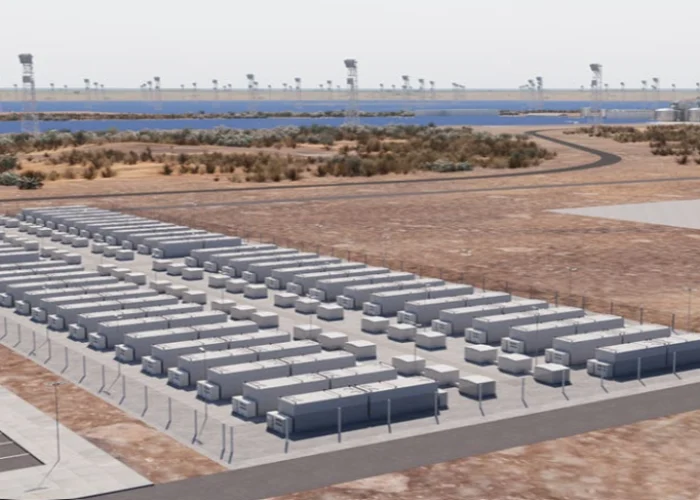
The government of the Australian state is developing at least five separate multi-gigawatt REZ facilities, connected to the grid and using long-duration energy storage (LDES) to partly replace traditional centralised power plants.
Try Premium for just $1
- Full premium access for the first month at only $1
- Converts to an annual rate after 30 days unless cancelled
- Cancel anytime during the trial period
Premium Benefits
- Expert industry analysis and interviews
- Digital access to PV Tech Power journal
- Exclusive event discounts
Or get the full Premium subscription right away
Or continue reading this article for free
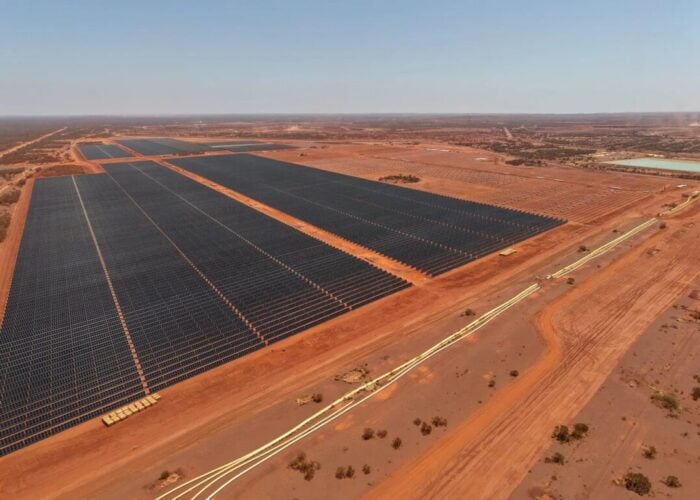
Roughly 20,000km2, Central-West Orana REZ will be built near the villages of Dunedoo, Mudgee and Dubbo, which are in a rural area about 330km north west of Sydney.
The government is putting renewable energy capacity onto it through competitive tenders and received 27GW worth of expressions of interest (EOI) in 2020, well above its planned capacity. It has been a similar story for other REZ calls for prospective bidders in NSW, most recently the Illawarra REZ in August 2022.
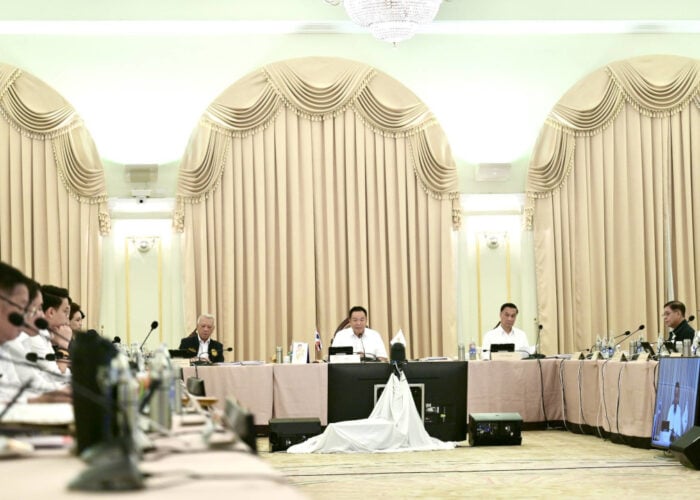
The filing of its EIS is a critical step in the cycle of approvals and “demonstrates our commitment to ensuring NSW households, businesses and industry can access clean, affordable and reliable energy as coal-fired power stations retire,” NSW’s minister for energy Penny Sharpe said.
The EIS is on public exhibition for a month, through EnergyCo, the state-run energy corporation tasked with delivering the REZ.
The government kicked off the Central-West Orana project in earnest last November when it officially declared the REZ. Its planned grid export capacity will be an initial 3GW when it goes online by the middle of this decade.
EnergyCo said in August that the government plans beef up the network further to accommodate 4.5GW of export by 2030. The government is exploring options for the REZ to eventually reach 6GW export from mostly wind and solar PV resource by 2038.
Minister Diane Sharpe also noted in a statement made 28 September that it is planning to also include 2GW of long-duration energy storage.
To read the full version of this story, visit Energy-Storage.news.