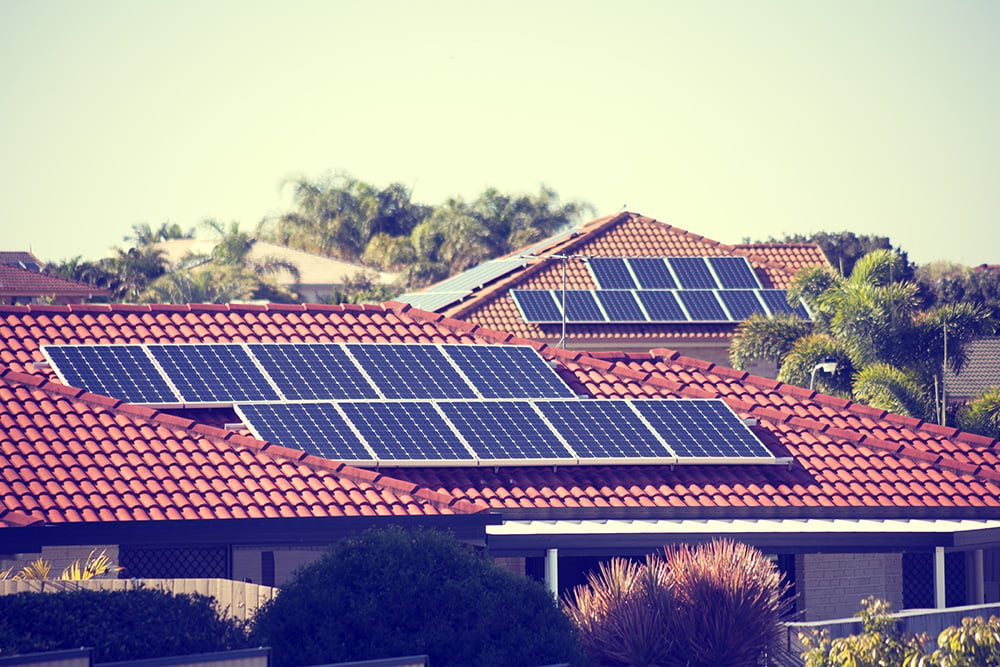
Energy Networks Australia (ENA) has pushed for a more consistent approach to grid connections of solar PV and battery storage by issuing a set of guidelines.
The first issuance, ‘Distributed Energy Resources (DER) Grid Connection Guidelines Framework and Principles', seeks to make grid connections of these alternative technologies both smooth and fair, and while the actions within the guidelines are voluntary, ENA said that all Australian networks have already committed to adopt the requirements.
Try Premium for just $1
- Full premium access for the first month at only $1
- Converts to an annual rate after 30 days unless cancelled
- Cancel anytime during the trial period
Premium Benefits
- Expert industry analysis and interviews
- Digital access to PV Tech Power journal
- Exclusive event discounts
Or get the full Premium subscription right away
Or continue reading this article for free
ENA CEO Andrew Dillon said that as the country transformed into a more decentralised energy mix, consistency would be key, because until now networks have responded to the increasing additions of solar and storage by introducing their own – often different – technical requirements and connection processes.
Dillon said: “This has led to inconsistencies between networks, which has been identified as a major concern by stakeholders in numerous industry reports including the CSIRO/Energy Network Australia Electricity Network Transformation Roadmap. These guidelines are being developed to establish uniformity around voltage, legal frameworks and technical standards to enable fair, easy and efficient grid connection.”
That particular roadmap asserted that distributed energy technologies such as solar and battery-based storage could save Australia AU$101 billion (US$75 billion) by 2050 and completely eliminate greenhouse gas emissions.
As part of the grid connection plans, four technical guidelines will be developed over the next six months. A review will be held in October and every two years hence. The guidelines are to be developed in collaboration with the Australian Energy Regulator, Australian Energy Market Operator, Clean Energy Council, Energy Consumers Australia and all the nation’s electricity networks.