PV materials provider DuPont has partnered up with Saudi Arabian manufacturer, developer and EPC Desert Technologies.
Desert Technologies has a regional pipeline of 300MW and plans to ramp its mono module production to 120MW by the end of 2017.
Try Premium for just $1
- Full premium access for the first month at only $1
- Converts to an annual rate after 30 days unless cancelled
- Cancel anytime during the trial period
Premium Benefits
- Expert industry analysis and interviews
- Digital access to PV Tech Power journal
- Exclusive event discounts
Or get the full Premium subscription right away
Or continue reading this article for free
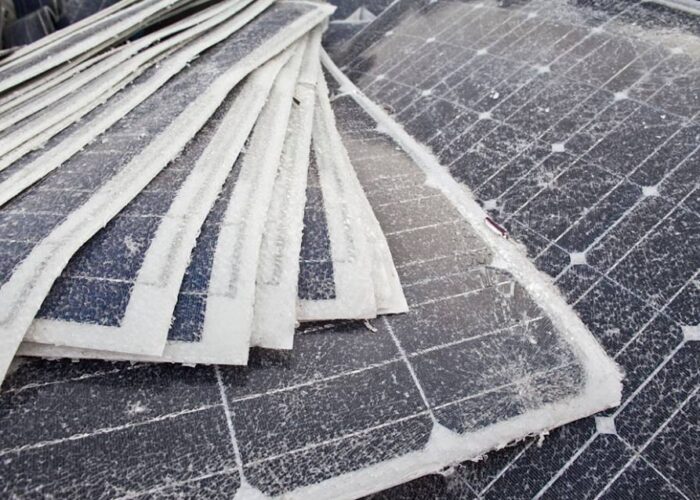
“DuPont is pleased to collaborate with Desert Technologies,” said Stephan Padlewski, regional marketing leader, EMEA, DuPont Photovoltaic Solutions. “I believe our collaborative efforts can help accelerate the adoption and growth of long lasting, reliable solar systems in the region that can best withstand the often harsh environment.”
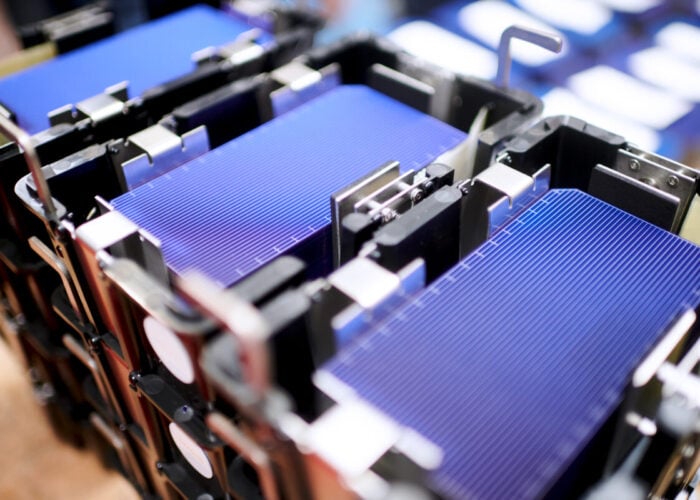
As part of the “marketing cooperation agreement”, the manufacturer will use DuPont’s Tedlar backsheets and use cells featuring its Solamet metalization paste.
Saudi Arabia has long had ambitious solar aspirations but a switch to a privately-funded procurement model has begun to kick-start progress in the Kingdom.
“The gradual phasing out of electricity price subsidies over the next four years is opening the commercial and industrial sectors as a grid parity market for solar energy,” said Nour Mousa, founder & CEO, Desert Technologies. “However, this potential is dependent on durable and reliable solar panels that can withstand the extreme conditions of the Saudi climate and are manufactured in Saudi Arabia, therefore contributing to the diversification of the local economy and the expansion of the job market,” adds Mousa.
The Middle East has a smattering of solar manufacturing so far with inverter lines in Saudi Arabia and polysilicon in Qatar.