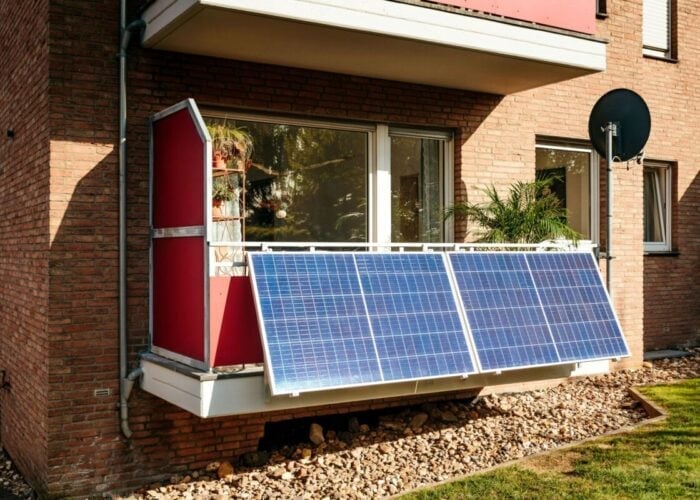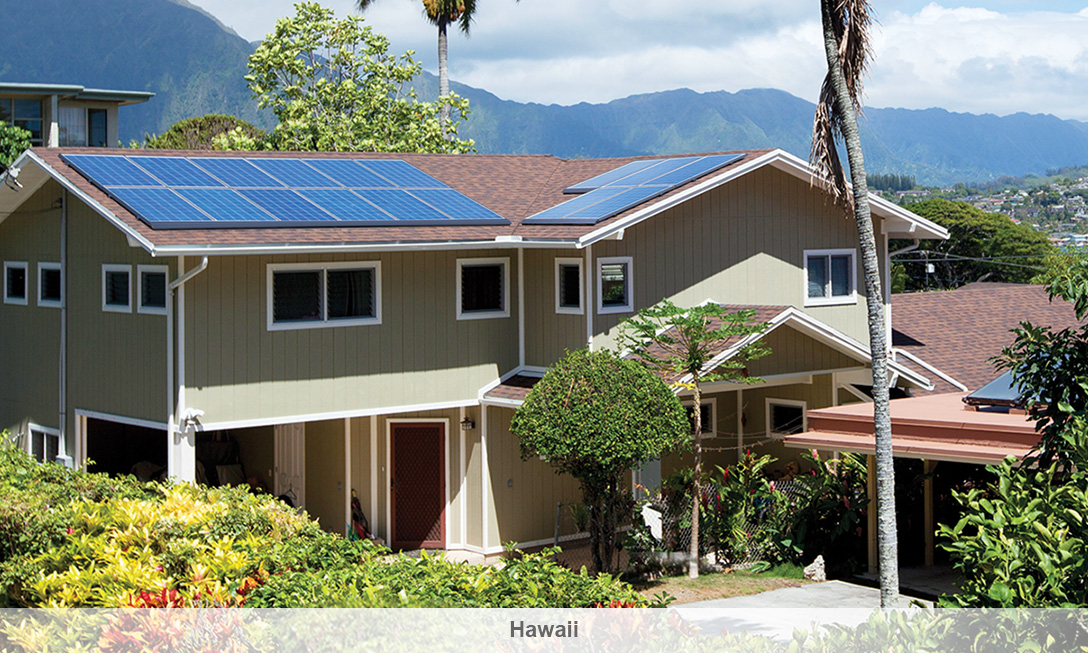
Residential solar installs in Hawaii have had their activation times slashed in half in a bid to boost the PV market in the US state.
Local utility Hawaiian Electric, Hawaii’s Public Utilities Commission and the solar sector collaborated to draw up a list of tweaks to the applications process for installing solar on homes in Hawaii. Together, they promise to halve the time from application to activation to just two months.
Try Premium for just $1
- Full premium access for the first month at only $1
- Converts to an annual rate after 30 days unless cancelled
- Cancel anytime during the trial period
Premium Benefits
- Expert industry analysis and interviews
- Digital access to PV Tech Power journal
- Exclusive event discounts
Or get the full Premium subscription right away
Or continue reading this article for free
Changes include allowances for systems up to 25kW in size to turn on as soon as the building permit closes. Hawaiian Electric will now start the meter change process once an application is provisionally approved rather than upon full approval, and contractors will be allowed to install temporary second meters for customers instead of waiting for permanent meter installs.
The changes have been made effective immediately, but Hawaiian Electric is asking contractors in the state to further expedite processes themselves by getting necessary building permits earlier and ensure applications are completed fully and accurately.
“We understand we all need time to get used to the ‘new normal,’ especially with regard to our online Customer Interconnection Tool, which has been upgraded but may not reflect these new processes,” Lani Shinsato, co-director for customer energy resources at Hawaiian Electric, said.
The processes are to be reviewed in six months, and Shinsato added the utility would continue to look at ways of refining the process further.
Residential solar is already popular in Hawaii, with Hawaiian Electric noting that PV systems are owned by around one in five homes on the five islands of Hawaii it serves.
Fears had been expressed that the US’ residential solar segment was set for a significant contraction this year as the country deals with the COVID-19 pandemic. Strict lockdown measures enforced in some states, coupled with a looming financial crisis, had been expected to reduce demand for home PV by up to 50%.
However, last week reports emerged that the segment looks set for a faster-than-expected rebound, with demand already having bounced back to pre-pandemic levels.
Engie lands HECO hybrid contract
In other solar news in Hawaii, ENGIE EPS, the microgrid and energy storage division of the major European utility, revealed that its proposed hybrid large-scale solar-plus-storage project was selected by Hawaiian Electric (HECO) as one of 16 solar-and-battery or standalone project proposals through a competitive solicitation process.
ENGIE said its subsidiary – which it acquired in 2018 – has now entered contract negotiations with the utility for the planned 60MW(AC) solar PV and 240MWh battery storage project on Hawai’i Island. ENGIE EPS will be supplier of the battery storage systems as well as system integrator, creating the full storage solution for the project, which is in Puako near Waikoloa Village.
The HECO procurement included around 460MW of solar and 3GWh of energy storage in total. The utility said it will announce details of awarded projects by mid-June, although it is understood that this includes two projects that the utility will self-build.
ENGIE EPS said in March that despite some big project awards and a 29% rise of revenues from 2018 to 2019, it was not able to commit to a 2020 earnings target due to the impacts of the COVID-19 pandemic.
Additional reporting by Andy Colthorpe