India has succeeded in having US solar incentives declared in breach of World Trade Organisation (WTO) rules, signalling Washington’s defeat after nearly three years of dispute.
A WTO panel found solar tax incentives across seven US states infringed India’s rights under the General Agreement on Tariffs and Trade (GATT) of 1994, in a decision made public as both countries joined G20 talks this week presided by the spectre of global trade wars
Try Premium for just $1
- Full premium access for the first month at only $1
- Converts to an annual rate after 30 days unless cancelled
- Cancel anytime during the trial period
Premium Benefits
- Expert industry analysis and interviews
- Digital access to PV Tech Power journal
- Exclusive event discounts
Or get the full Premium subscription right away
Or continue reading this article for free
According to the report, 10 schemes passed in California, Connecticut, Delaware, Michigan, Minnesota, Montana and Washington state meant Indian solar panel imports were unfavourably treated versus their US counterparts, in breach of GATT rules.
From Michigan’s Equipment and Labour Multipliers to Minnesota's SEPI incentives and Montana’s tax credits and refunds, the programmes in question should now be brought into conformity with the GATT rulebook, the panel said, leaving the US the choice on how.
Years of heated exchanges
The WTO twist sees India triumph in a dispute it brought before the intergovernmental body in September 2016. The current panel was formed in April 2018, after conciliatory India-US talks convened in 2017 failed to settle the conflict.
Annex documents released by the WTO outline the case India and the US each worked to build over the past year. India, the panel said, was able to demonstrate that the incentives at issue resulted in direct benefits to US products over imports.
The US, meanwhile, sought to counter India’s claims by arguing the country had “no significant trading interest” in the US measures in question. New Delhi “knew” most incentive schemes had either phased out or were about to when it tabled its dispute, Washington argued.
Other states weighed in too with their views. China said the incentives had brought the US “unfair advantages” and seriously distorted the global market. Brazil appeared to take the US’ side as it argued GATT rules “clearly allow” members to benefit domestic players via subsidies.
Trade war looms large over G20 talks
However conclusive, the panel report does not mark the end of the India-US dispute. The conclusions can be appealed by either country over the next 60 days but will be, failing this, rubberstamped by the WTO’s dispute settlement body.
If adopted in their current form, the panel report would give the US time to amend the incentive schemes at issue. If Washington does not comply, India has the right to demand compensation or request WTO authorisation to retaliate.
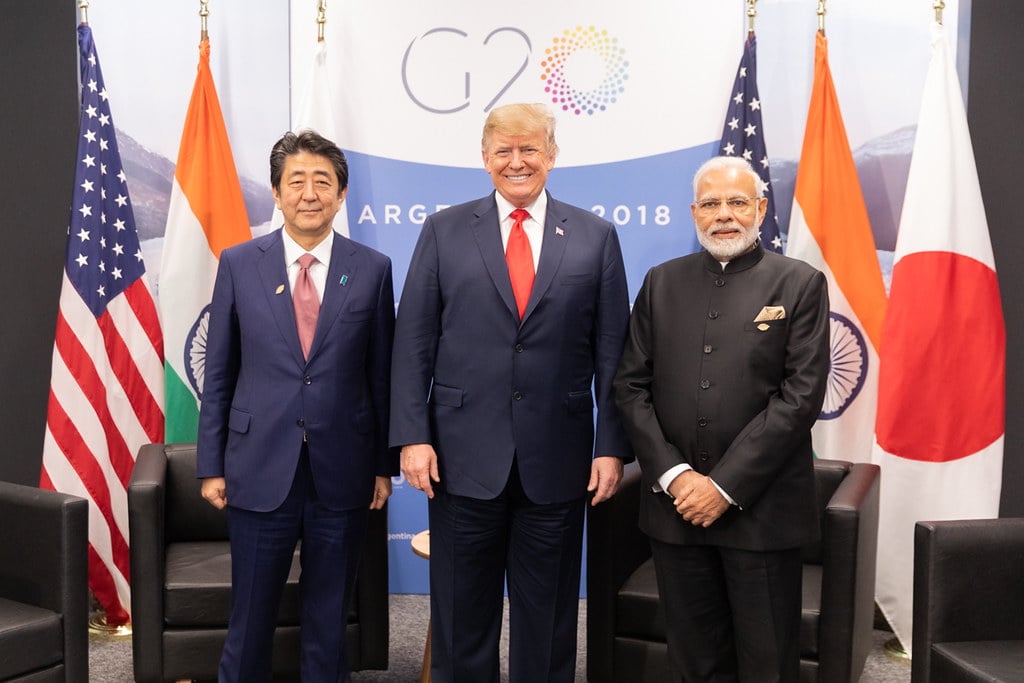
The solar spat comes as US president Donald Trump and Indian prime minister Narendra Modi join their G20 peers at talks in Japan. The countries are currently locked in a broader trade dispute, with Trump tweeting yesterday that Indian tariffs on 28 US products are “unacceptable”.
The latest news from the Osaka summit suggests a more conciliatory turn of events, however. Various media described today a meeting between Trump and Modi in Japan, during which they reportedly agreed to arrange talks between commerce ministers to sort out trade differences.
See here for more background on the WTO panel's report and here for the arguments from either side