A German government subsidy programme will trigger rapid growth in the solar storage market in 2014, according to research analysts IHS.
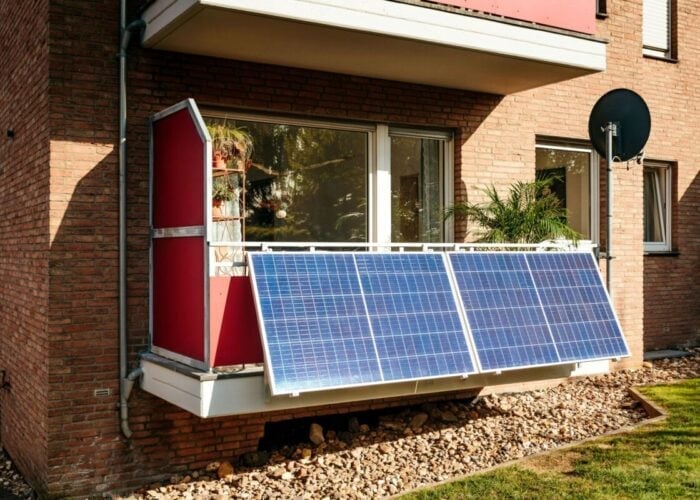
The scheme, which has a budget of €25 million (US$33 million) for 2013, was established in May this year and will cover up to 30% of the cost for residential storage equipment when added as apart of a new residential PV system.
Try Premium for just $1
- Full premium access for the first month at only $1
- Converts to an annual rate after 30 days unless cancelled
- Cancel anytime during the trial period
Premium Benefits
- Expert industry analysis and interviews
- Digital access to PV Tech Power journal
- Exclusive event discounts
Or get the full Premium subscription right away
Or continue reading this article for free
“German energy storage subsidy is forecast to kick-start the adoption of solar PV energy storage systems in a similar way as its feed-in tariff (FiT) system ignited the PV industry eight years ago,” said Sam Wilkinson, research manager, at IHS.
“The adoption of residential PV energy storage in Germany will accelerate in 2014 as a result of this subsidy and falling prices of the storage system,” said Wilkinson.
According to Bundesverband Solarwirtschaft (BSW), the German solar association, 1,100 applications have already been approved and 4,800 more are working through the system.
“Similar storage subsidies are available in both Japan for Li-Ion based storage solutions in the residential sector, and in California where advanced energy storage systems can be subsidized up to 3 MW in size.
“An energy storage solution enables the system owner to increase the level of self-consumption from around 30% without a solution to around 60% if adding batteries,” claimed Wilkinson.
“The energy storage market in Germany will be dominated by the residential sector, with 30MW of installations already supported by the subsidy in 2013. Periodic decreases in FiT and continually increasing electricity prices, coupled with decreasing PV system prices, have now made it financially favourable for a home-owner to self-consume PV energy on-site rather than export it to the electricity grid and receive the FiT,” he added.
It is estimated that €18.7 million (US$24.7 million) of the 2013 budget has already been allocated.