UK energy group Octopus Energy has launched a fund targeting US$600 million to invest in solar, wind and battery storage developers across Asia, starting with a 450MW solar pipeline in the Philippines.
The Octopus Asia Electrification Fund (OAEF) will back local renewable energy developers to build more projects. Octopus said the aim is to bring cheaper, homegrown power to countries that rely on imported fossil fuels.
Try Premium for just $1
- Full premium access for the first month at only $1
- Converts to an annual rate after 30 days unless cancelled
- Cancel anytime during the trial period
Premium Benefits
- Expert industry analysis and interviews
- Digital access to PV Tech Power journal
- Exclusive event discounts
Or get the full Premium subscription right away
Or continue reading this article for free
The fund was announced on 10 November at the COP31 climate conference in Antalya, Turkey. It is managed by Octopus Energy Generation, the group’s renewable energy investment arm, and already has US$50 million in commitments from Japanese investors. Octopus has not named those investors.
It aims to raise the full US$600 million from institutional investors but has not given a timeline for doing so.
Target markets are the Philippines, Japan, South Korea, Singapore, Indonesia, Thailand, Malaysia and Vietnam. The fund will invest in solar, onshore wind and battery storage, as well as microgrids, EV charging and other energy transition technology.
Octopus said the OAEF is classed as an Article 9 fund under the EU’s Sustainable Finance Disclosure Regulation, the category for funds with a sustainable investment objective.
“Asia is at the heart of the global energy transition,” said Zoisa North-Bond, CEO of Octopus Energy Generation. North-Bond said electricity demand in the region is rising and that countries want local power that shields households and businesses from volatile fossil fuel prices.
First investment in the Philippines
The fund’s first investment is in Octali Energy Development, a solar and battery storage developer based in Manila. It is Octopus’s first move into the Philippines.
Octali plans to build 450MW of solar and 350MWh of battery storage, which Octopus said it wants online by 2030. The companies have not disclosed the size of the investment, the stake acquired or the locations of the planned projects.
North-Bond described the deal as “an exciting step” and said Octopus would combine its regional experience with capital to “help ambitious local developers scale”.
Octopus cited International Energy Agency data showing coal supplies more than 60% of electricity in the Philippines, and said 98% of the country’s oil imports come from the Middle East. The company linked the war in Iran to wider concern in South East Asia over reliance on imported fuel.
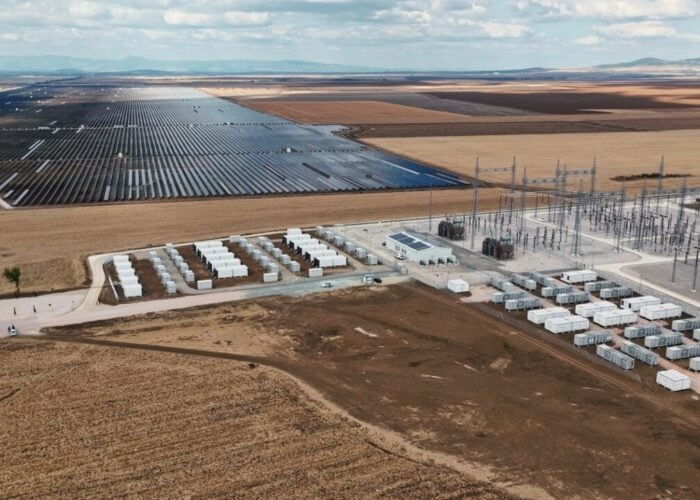
The country is already drawing large solar PV plants. Meralco PowerGen Corporation energised the first phase of the 3.5GW MTerra solar project in February, which is paired with a 4.5GWh battery storage system.
The Department of Energy’s fourth green energy auction, which included a dedicated solar-plus-storage category, went on to award 10.19GW of capacity. Developers including Levanta Renewables and ib vogt have since moved projects from that pipeline to financial close.
Octopus’s Asia strategy is run by Octopus Energy Generation’s Singapore-based team, which the company said manages 2GW of clean energy projects in development in the region. Its partners there include Japanese solar developer Yotsuya Energy, South Korean solar developer Skygreen Energy and South Korean offshore wind developer Deep Wind Offshore.
The Japanese partnership was the company’s entry point. In 2023 Octopus made a seven-figure investment in Yotsuya, then called Yotsuya Capital, which set out to develop 250MW of solar PV in Japan over five years with power sold through corporate power purchase agreements.
That followed Octopus’s 2020 move into Japanese energy retail through a joint venture with Tokyo Gas, backed by a £184 million (US$247 million) investment.
The UK government welcomed the fund. Blair McDougall, the UK’s reindustrialisation minister, said: “It’s fantastic to see British companies like Octopus leading the way around the world.”
McDougall said the fund fits the government’s Modern Industrial Strategy and creates opportunities in fast-growing Asian markets.