An energy consultant updates PV Tech Premium on how the south Indian state, driven by supportive policy changes, is now swiftly installing rooftop solar and EV infrastructure while concentrating on large-scale floating solar to side-step land scarcity.
After Actis-backed developer Rezolv Energy announced its acquisition of what it said will be Europe’s largest solar project earlier this month, PV Tech Premium caught up with Rezolv CEO Jim Campion to discuss the unique blend of power purchase agreements (PPAs) on offer, the rising appeal of the Romanian PV market, and the novel attempt to restore degraded agricultural lands on site.
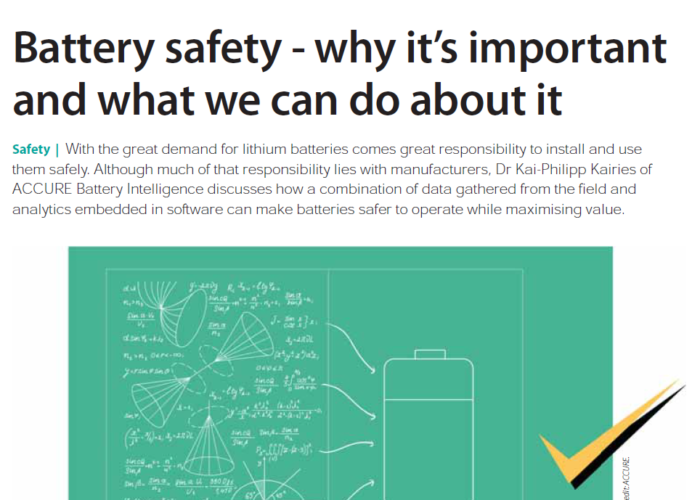
With the great demand for lithium batteries comes great responsibility to install and use them safely. Although much of that responsibility lies with manufacturers, Dr Kai-Philipp Kairies of ACCURE Battery Intelligence discusses how a combination of data gathered from the field and analytics embedded in software can make batteries safer to operate while maximising value.
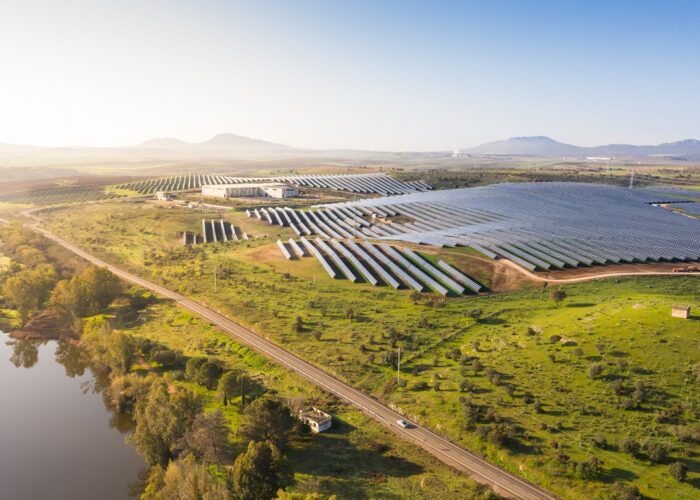
Spain is on track to install more than 4GW of utility-scale solar in 2022, a 25% increase on last year’s figures, according to José Donoso, head of the country’s PV association, UNEF.
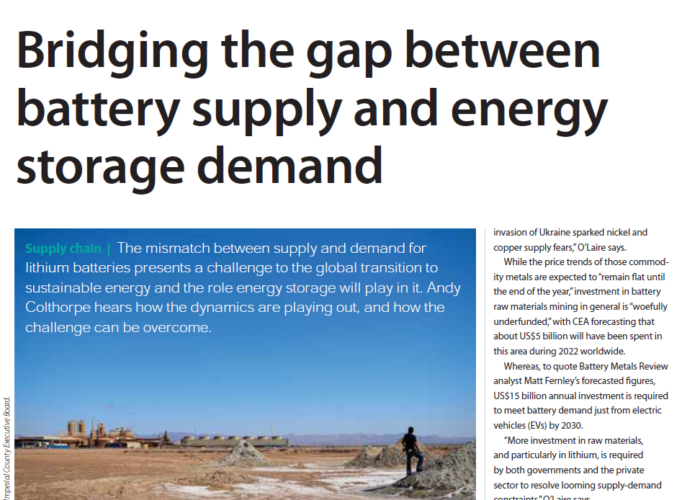
The mismatch between supply and demand for lithium batteries presents a challenge to the global transition to sustainable energy and the role energy storage will play in it. Andy Colthorpe hears how the dynamics are playing out, and how the challenge can be overcome.
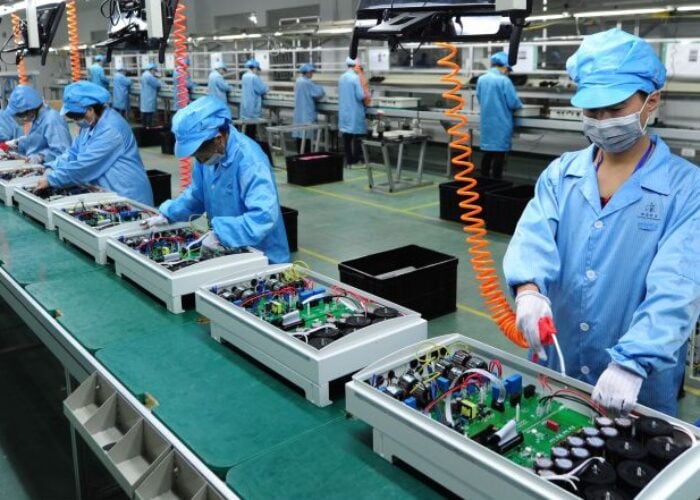
Inverter design and configuration is continually evolving, and so are the strategies of the companies making this important piece of kit, writes Jonathan Touriño Jacobo.
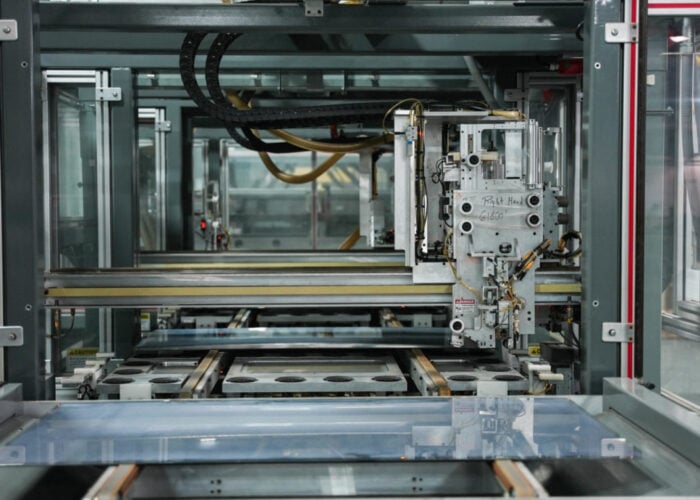
Solar module companies are more than willing to expand production this year, with new module project announcements from old and new players continuing to emerge.
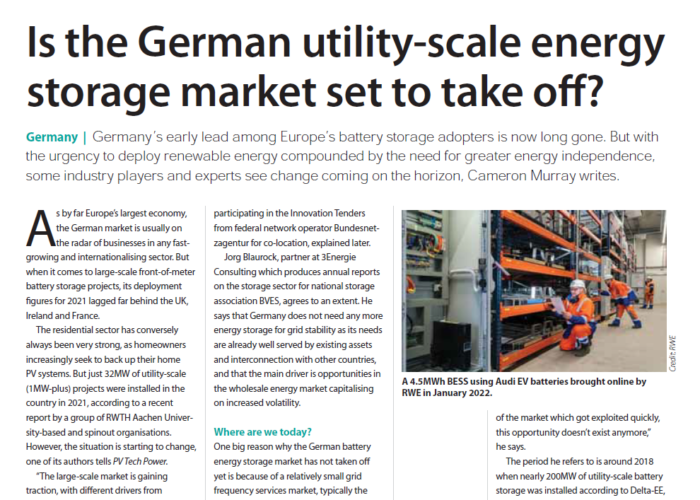
Germany’s early lead among Europe’s battery storage adopters is now long gone. But with the urgency to deploy renewable energy compounded by the need for greater energy independence, some industry players and experts see change coming on the horizon, Cameron Murray writes.
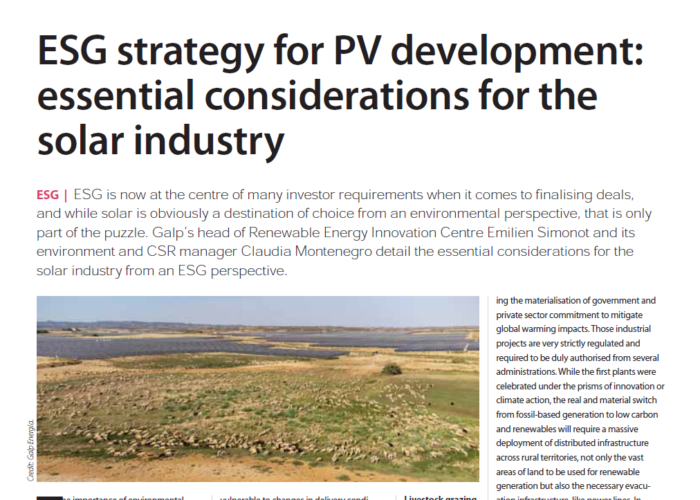
ESG is now at the centre of many investor requirements when it comes to finalising deals, and while solar is obviously a destination of choice from an environmental perspective, that is only part of the puzzle. Galp’s head of Renewable Energy Innovation Centre Emilien Simonot and its environment and CSR manager Claudia Montenegro detail the essential considerations for the solar industry from an ESG perspective.