ReNew Energy Global witnessed a 27% jump in revenue in its last financial year but saw its net loss almost double on the back of costs associated with its NASDAQ listing.
An infrastructure company owned by billionaire Enrique Razon is planning to build a solar-plus-storage plant in the Philippines that will feature 2.5 – 3.5GW of PV.
The Indian solar sector looks set for significant levels of disruptions over the next two years, with the government’s drive to establish a domestic manufacturing base risking deployment and investments needing to double if it is to meet its climate targets, according to industry analysts.
US conglomerate General Electric (GE) is looking to triple its solar and battery energy storage manufacturing capacity at its newly launched Renewable Hybrids factory in India by the end of 2022 to 9GW per annum.
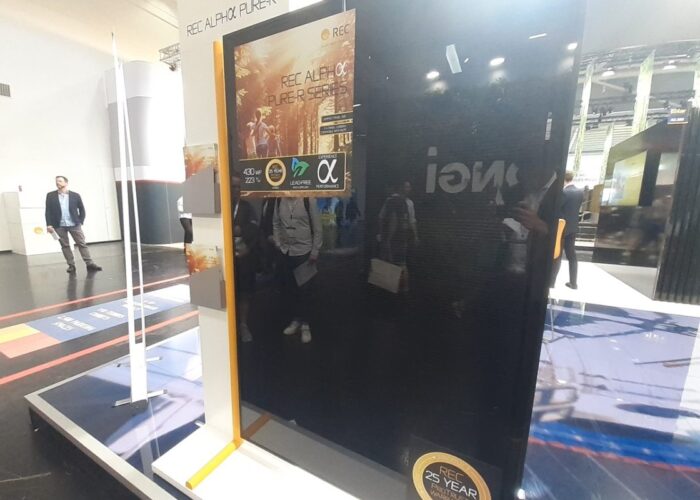
REC Group is on track to reach 1.2GW of heterojunction (HJT) module production capacity in Singapore as it also progresses with the construction of a solar manufacturing plant in India.
With President Biden declaring a two-year freeze on new tariffs on solar imports from Southeast Asia, questions have been raised about the legality of the move as industry stakeholders assess the risk of it being challenged in court.
India has relaxed its rules surrounding the purchase of renewable power, with commercial and industrial consumers allowed to purchase clean power on voluntarily basis, while state distribution company (Discom) customers can demand to be supplied with renewable electricity.
India’s renewable capacity now stands at 109.9GW as of the end of March, with solar accounting for 53.4GW (47%), while another 72GW of solar is either in the pipeline or at bidding phase, according to JMK Research.