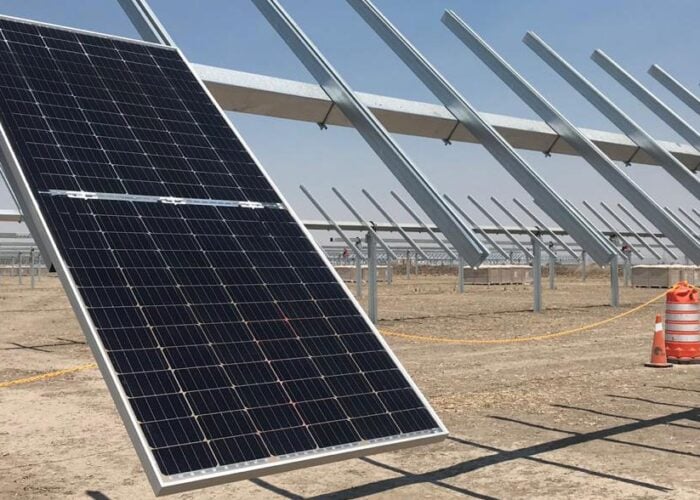
Italian energy giant argues most of its EBITDA comes from contracted activities, with financial results showing firm built 3GW of green energy in 2019 and is eyeing a further 4GW in 2020.
ROTH Capital Partners has told investors that the recent outbreak of the Coronavirus in China is likely to impact the solar industry supply chain, due to extended work stoppage in eight provinces, many being key solar manufacturing hubs, through February 9th.
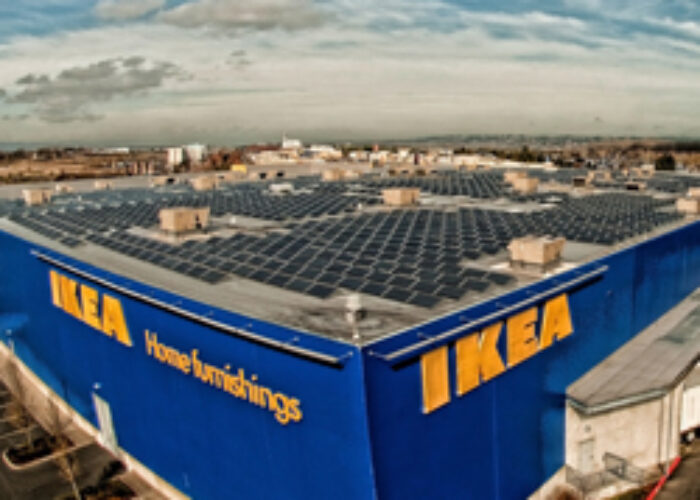
The furniture giant says half of the investment package will go towards efforts to ensure production operations are powered entirely by renewable energy.
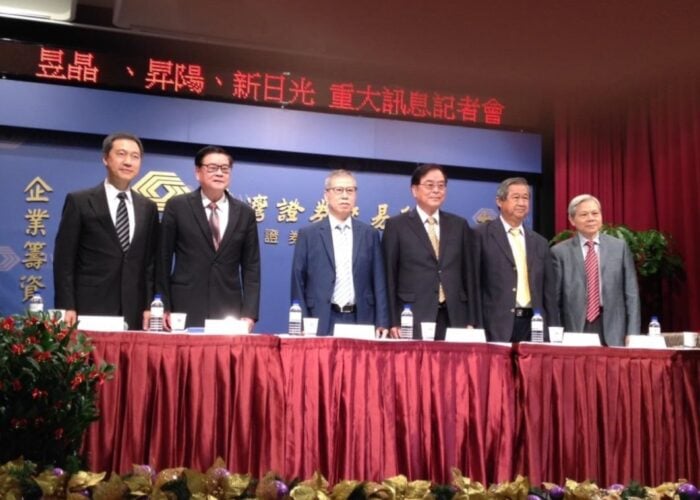
The majority of Taiwanese solar industry companies that are public listed on the TSE have recently reported December, 2017 sales figures, highlighting how elusive the recovery in sales has been in 2017.
Solar PV and other renewables will increasingly benefit from artificial intelligence (AI) and could completely overhaul the design, development and deployment of the technologies, a new report has claimed.
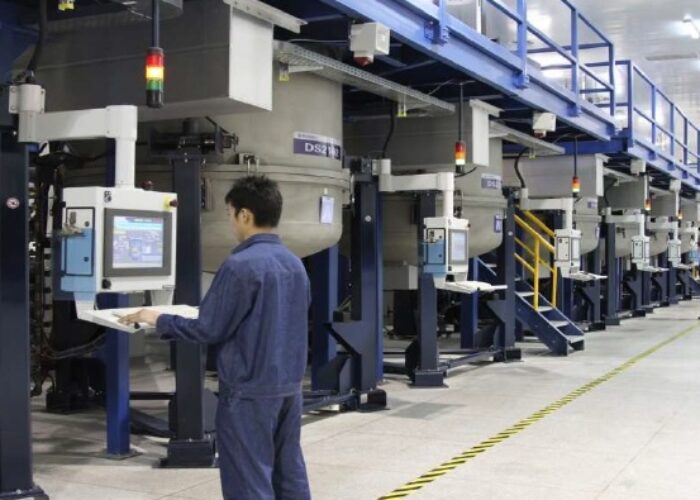
The growing size and geographic dispersal of PV power plants worldwide presents numerous supply chain challenges. Ulrike Therhaag runs through some of the essential steps in effectively managing the procurement process.
As other entrants in the solar industry scramble to build greater efficiencies into their supply chain, the leading companies focus on manufacturing strengths such as zero-defect quality along the entire supply chain. When it comes to supply chain excellence, the solar industry as a whole is playing catch-up. However, there are players who have already made substantial progress here, having already adopted ‘lean’ practices to eliminate inefficiencies at source. REC, the largest European brand of solar panels and a world leader in the industry, is maintaining its strong position. The company’s practices and principles are explained in detail in this paper.
The impact of SolarMax parent company Sputnik Engineering’s insolvency has spread up the supply chain with German firm InTiCa facing a €2.5 million (US$3.1 million) hole in its 2014 figures.