The so-called ‘king of electricity markets’ is rapidly approaching an inflexion point, wherein solar PV will become the most prolific source of new-build power this decade. However to pave the way, numerous hurdles in the technological, manufacturing, O&M and grid fields will need to be surpassed. Liam Stoker, Jules Scully and Sean Rai Roche discover solar’s 2030 blueprint.
As Senate Democrats continue negotiations over President Joe Biden’s US$1.75 trillion Build Back Better plan, Jules Scully looks at how the package could drive solar deployment and bolster domestic PV manufacturing.
The US House of Representatives has passed the Uyghur Forced Labour Prevention Act, which aims to ban imports from China’s Xinjiang region, by an overwhelming 428-1 in a move that could have serious consequences for the country’s solar industry.
A US development agency has approved up to US$500 million of debt financing for First Solar to support the manufacturer in setting up a thin film module production plant in India.
The US and China will account for a combined 57% of total forecasted solar capacity additions through 2030, with the countries adding 151.3GW and 436.9GW of solar capacity, respectively. Both countries have risks to this development, however, with the US needing to overcome trade and tariff problems, while China needs to ensure the reliability of PV production
PV Tech Premium speaks to Dany Qian, vice president at JinkoSolar, to get the inside story about the ‘Solar Module Super League’ member’s 16GW n-type expansion and plans to take the lead in TOPCon.
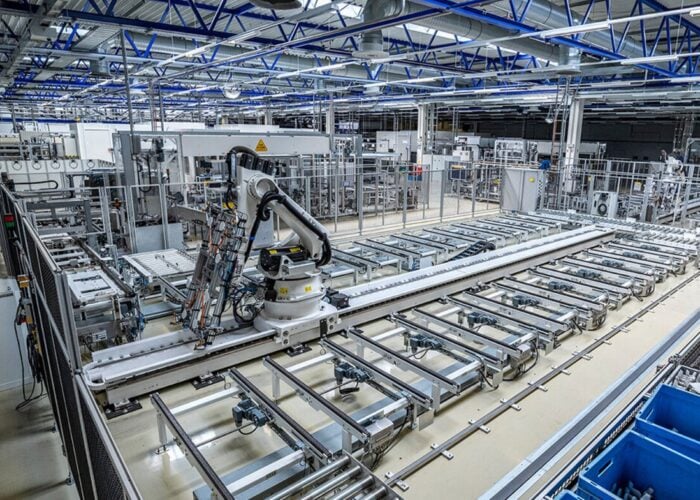
Heterojunction cell and module manufacturer Meyer Burger has reduced module output at one of its production plants in Germany as COVID-19 is causing above-average workforce absences due to illness and quarantine orders.
al Sales & Marketing, Dennis She, participating on a panel of experts discussing prospects for post pandemic EU-China economic cooperation, where he gave insights on energy transition, climate change and technological innovation.