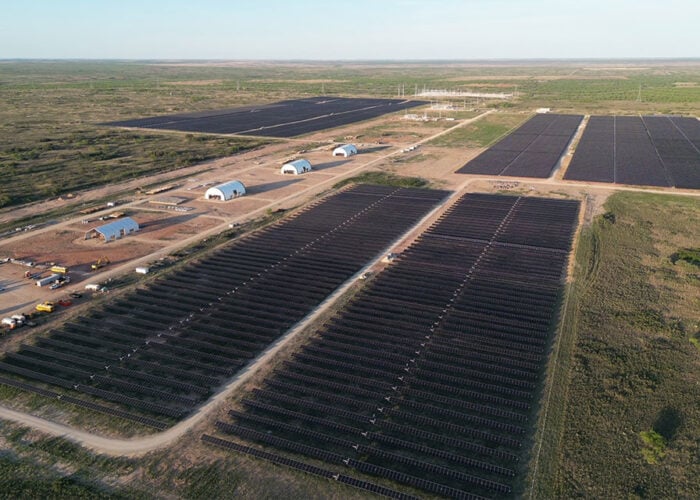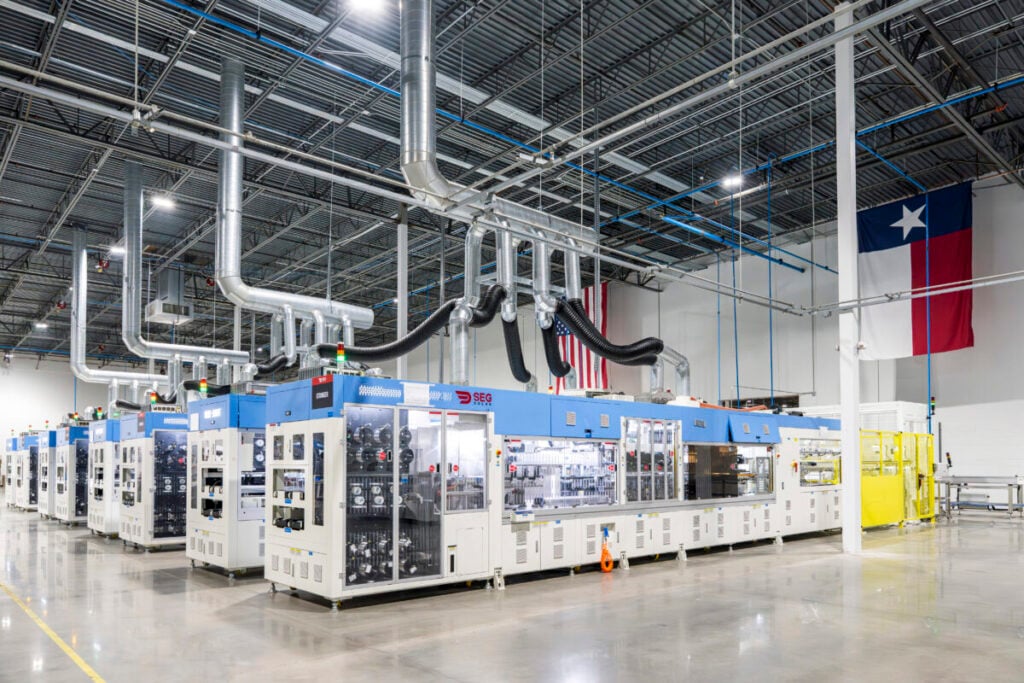
US solar module manufacturer SEG Solar has shipped its first order of utility-scale solar modules from its Texas production facility.
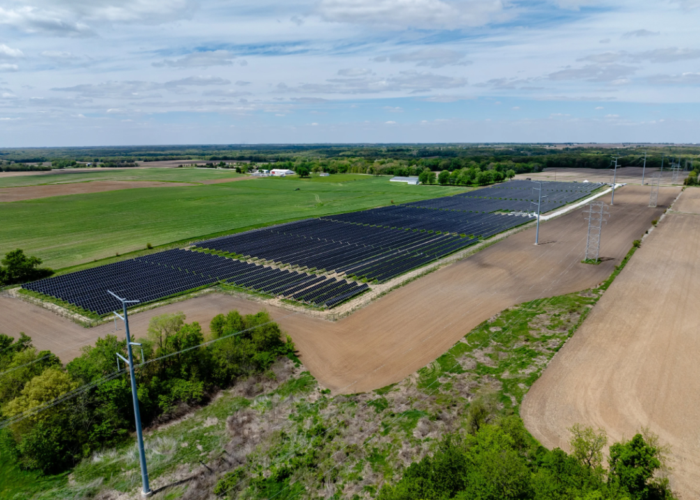
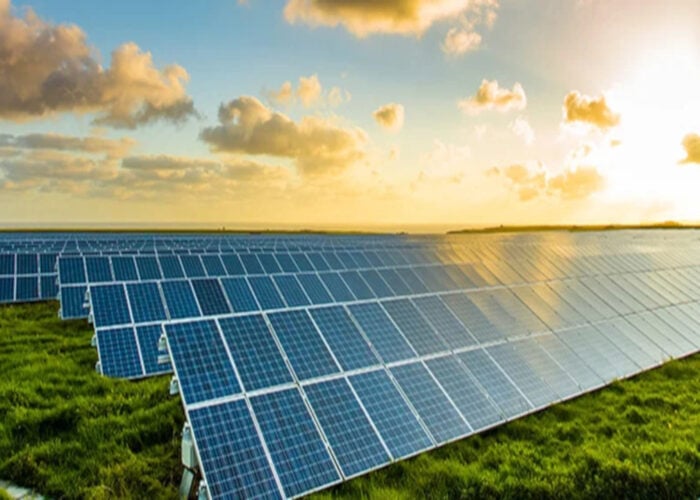
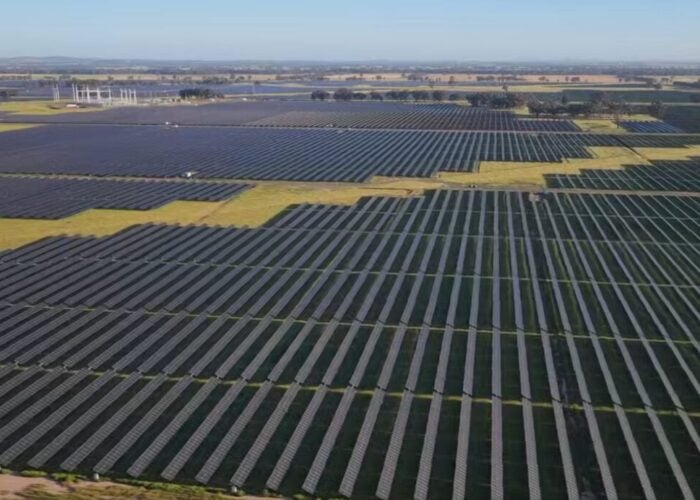
Avangrid, the US solar developer and subsidiary of Spanish energy giant Iberdrola, will deploy over 200,000 modules at its 120MW Tower solar project in Morrow County, Oregon.
Try Premium for just $1
- Full premium access for the first month at only $1
- Converts to an annual rate after 30 days unless cancelled
- Cancel anytime during the trial period
Premium Benefits
- Expert industry analysis and interviews
- Digital access to PV Tech Power journal
- Exclusive event discounts
Or get the full Premium subscription right away
Or continue reading this article for free
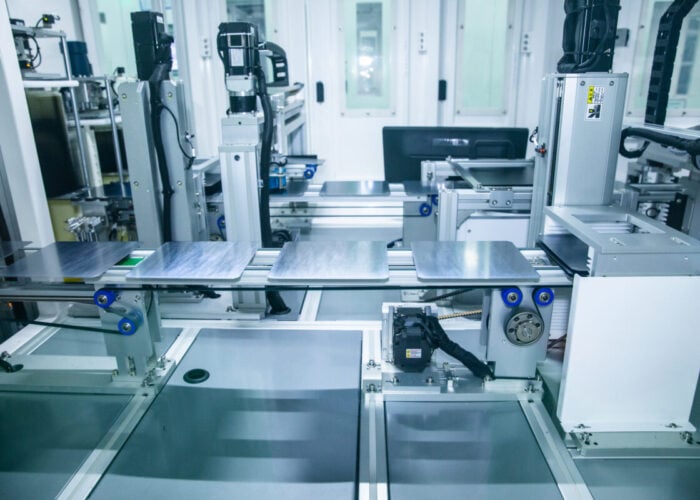
SEG Solar inaugurated its module assembly plant in Houston, Texas, last year, with 2GW of annual nameplate production capacity. Avangrid will receive SEG’s Yukon N Series modules, a 630Wp n-type module. SEG had previously shipped some modules to commercial projects across the US, but it said this marks the first full utility-scale shipment from the site. The company said the facility represents US$60 million in investment.
“Domestic partnerships are critical to meeting rising demand, and by leveraging US manufacturing, Avangrid has an opportunity to support local jobs and economic opportunity in states like Texas, while advancing a reliable energy future powered by American-made products,” said Avangrid CEO Jose Antonio Miranda.
The Tower solar project is contracted under a 25-year power purchase agreement (PPA) with the Oregon state utility, Portland General Electric (PGE). The Renewable Energy Certificates (REC) generated by the project have been bought by data centre firm QTS, which is constructing a data centre in the region for social media and data giant, Meta. The RECs were marketed through PGE’s Green Future Impact programme, an incentive scheme for large corporates looking to build clean energy in the Oregon region.
The site is under construction and expected to be complete in 2026, Avangrid said.
Data centres and US solar manufacturing
This module supply deal and Avangrid’s agreement with QTS exemplify some of the main concerns in the US solar industry today.
The expansion of solar manufacturing over recent years has been threatened by the new US budget reconciliation bill—widely known as the “One, Big, Beautiful Bill”. Despite maintaining the 45X advanced manufacturing credit, the bill imposes complex restrictions on the use of Chinese or Chinese-backed components and financial and “material” exposure to Chinese entities. These are known as “Foreign Entity of Concern” (FEOC) restrictions.
China dominates the global solar supply chain. Industry analysts have said that the FEOC restrictions could ultimately make things harder for US manufacturers, as uncertainty over supply routes will increase the price of US products. Deals like Avangrid’s with SEG make sense now, but may become less common in a year’s time when the bill kicks in fully.
Cuts to federal support for solar have also raised concerns about meeting growing power demand, particularly for data centres and AI. The International Energy Agency (IEA) has identified the US as a leading global hub for AI development, driven by its huge tech sector. Its main competitor is China.
However, as solar becomes more difficult to get built, the industry has warned that the US may forfeit AI leadership. Solar PV is often the cheapest, and definitely the fastest, way to add new power capacity. Abigail Ross Hopper, head of the Solar Energy Industries Association, said earlier this year that for the US to be at “the forefront of the artificial intelligence growth…the only way to get there is through solar and storage.”