Oil and gas major Shell has said it will spend between US$2 billion and US$3 billion on renewables and energy solutions annually to help it attain net zero status by 2050.
However the company has maintained reliance on fossil fuel revenues, stated investments in oil exploration would remain effectively three-times that earmarked for renewables and has been heavily criticised by green groups, some of which dismissed Shell’s new strategy as “delusional”.
Try Premium for just $1
- Full premium access for the first month at only $1
- Converts to an annual rate after 30 days unless cancelled
- Cancel anytime during the trial period
Premium Benefits
- Expert industry analysis and interviews
- Digital access to PV Tech Power journal
- Exclusive event discounts
Or get the full Premium subscription right away
Or continue reading this article for free
The group released its Shell Strategy Day 2021 report earlier today (11 February) which said the company would diversify its business to have a “presence across the entire energy system”. It has stepped up carbon emissions targets set out in April last year, and now aims to reduce its net carbon-footprint by 100% by 2050.
Shell said it would spend between US$2-US$3 billion on renewables and “energy solutions” annually, and spend the same amount (US$3 billion) on marketing as part of its low carbon growth strategy. However, it has allocated more annual spending to its oil production (US$8 billion), chemicals (US$5 billion), and natural gas (US$4 billion) businesses in the same step.
The company said oil production could fall by up to 18% by 2030, while overall output of “traditional fuels” will be 55% lower by the end of the decade.
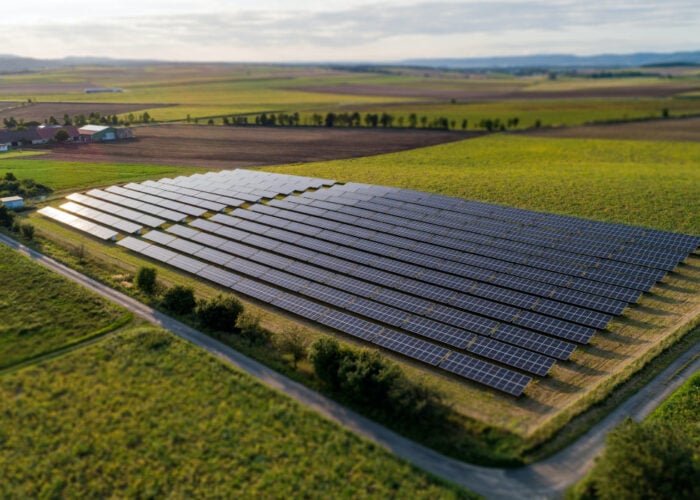
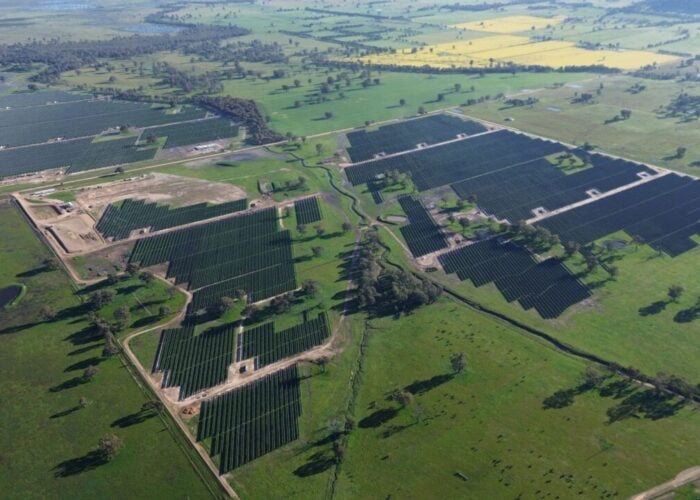
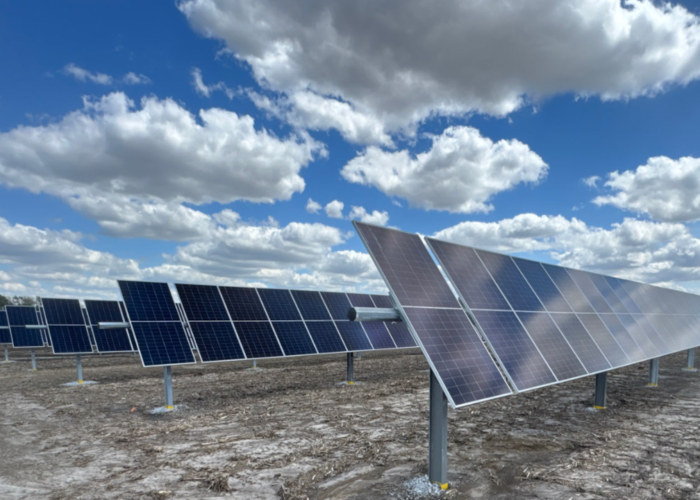
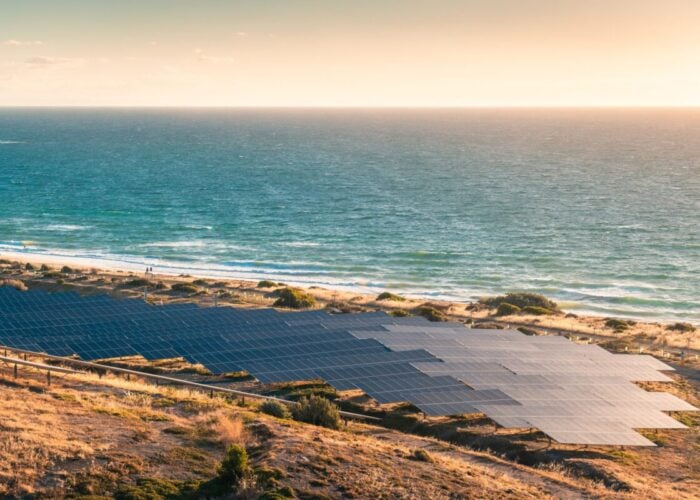
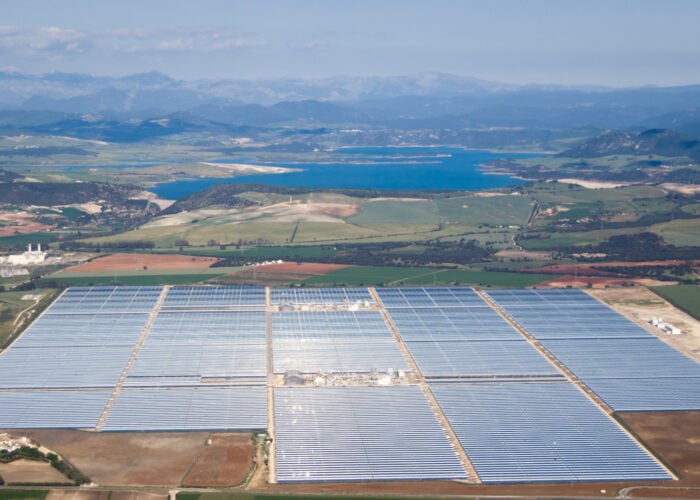
Shell already has a number of large-scale solar interests. It acquired a 43% stake in US-based Silicon Ranch in February 2018, followed by Southeast Asian installer Cleantech Solar later that year and Australia’s ESCO Pacific in December 2019. More recently Aw Kah Peng, chairman of Shell Companies in Singapore, said the oil and gas major is exploring the addition of utility-scale solar PV in the city state, having already developed 3MWp of solar at three of its Singaporean facilities. The company also secured a 10-year power purchase agreement (PPA) with Solaria for a 300MW solar facility in Spain last month.
Continued oil and gas commitment
Shell’s oil production peaked in 2019, it said, and although it pledged to let its oil production fall by between 1 and 2% each year, short term spending will still prioritise oil and gas. However, it also intends to invest more in chemicals, renewables and power supply “over time”, according to the strategy update.
Crucially, the strategy includes fuel products it doesn’t produce, but which it sells. Shell said it would increase its electric vehicle charging point portfolio to 500,000 and add 9,000 more EV charging stations to its network within the next five years.
Jessica Uhl, Shell’s chief financial officer noted that solar and wind power generation would “attract lower returns” for the company due to low clean energy costs. However, she did add it would show “some participation in those assets…because we want to have additionality in the system”, and also look to add more value to its energy business through initiatives such as “bringing green hydrogen into community commercial transportation”.
“What we’re trying to get across is that the lens should not be asset-centric, low return-centric. How do we take that and leverage that through these integrated value propositions, and create really attractive and compelling returns for the company and for our shareholders?”
In contrast, BP has set sights on amassing a 50GW renewables portfolio by 2030 as part of its own net-zero strategy, targeting up to US$5 billion a year investment in the space.
Markets reacted coldly to the announcement, with Shell’s share price down roughly 2% at midday trading.
“Our accelerated strategy will drive down carbon emissions and will deliver value for our shareholders, our customers and wider society”, chief executive officer Ben van Beurden said in a statement.
“We must give our customers the products and services they want and need. Products that have the lowest environmental impact. At the same time, we will use our established strengths to build on our competitive portfolio as we make the transition to be a net-zero emissions business in step with society”.
Carbon mitigation
During a virtual press conference today, Beurden said the company would still sell some carbon-based energy by 2050, due to its customer base in aviation and automotive industries, so much of the net zero strategy hinges on carbon capture and “nature based solutions”.
“Whatever carbon based energy we still sell, for instance, to some aviation business or some other businesses that are impossible to galvanise fully, we are going to indeed help them get to net zero,” he said.
Mel Evans, head of Greenpeace UK’s oil campaign, criticised Shell’s strategy for shifting responsibility for carbon emissions onto its customers. Evans called the “customer first” strategy “delusional” with regard to its carbon credit and offsetting strategy, and condemned the energy company’s reluctance to take greater steps to cut oil production.
“Without commitments to reduce absolute emissions by making actual oil production cuts, this new strategy can’t succeed nor can it be taken seriously,” Evans said.
“Shell’s plans include a delusional reliance on tree-planting. Communities around the world have been flooded, while others are on fire. Governments are upping their commitments on renewables, while competitors are pivoting – but Shell’s big plan is to self-destruct and take the planet down with it.”
However, Siobahn Meikle, managing director for power management firm Eaton’s UK & Ireland business, believes it is not Shell’s sole responsibility to strip out its core energy business to cut carbon emissions.
“We need as many companies as possible to follow Shell’s example and do what is within their power to effect change,” she said. “A few changes here and there may make a dint in emissions, but a collaborative effort will pack a serious punch.”