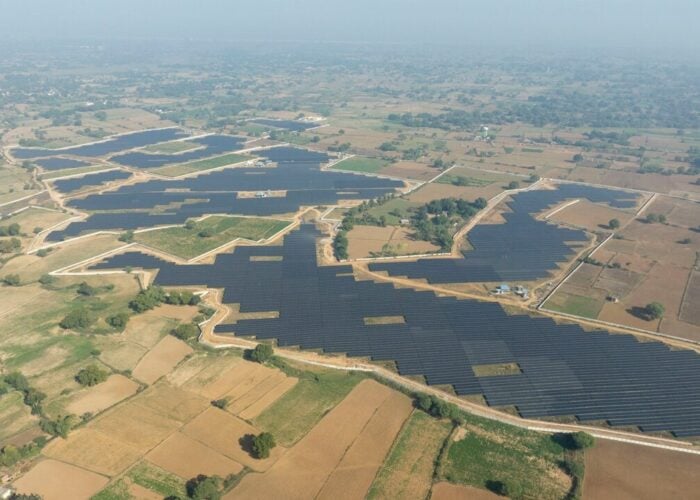
Generating capacity from solar projects in developing economies reached 325GW in 2019, with China and India the biggest emerging markets for clean energy investment, according to new findings from BloombergNEF (BNEF).
With three in ten emerging markets installing more solar than capacity from any other source in 2019, the research firm says the technology is “becoming ubiquitous” as clean technologies became increasingly cost-competitive compared to fossil fuels.
Try Premium for just $1
- Full premium access for the first month at only $1
- Converts to an annual rate after 30 days unless cancelled
- Cancel anytime during the trial period
Premium Benefits
- Expert industry analysis and interviews
- Digital access to PV Tech Power journal
- Exclusive event discounts
Or get the full Premium subscription right away
Or continue reading this article for free
In its Climatescope 2020 research – which encompasses 108 developing countries as well as 29 developed nations – BNEF says foreign direct investment in support of renewables in emerging markets set a new record at US$32 billion in 2019, up from a previous high of US$24 billion in 2018.
However, while solar investment was steady in developed nations in 2019, the technology saw the lowest overall volume since 2014 in developing economies at US$48 billion. According to BNEF, this is partly a result of a 38% decline in solar investment in mainland China as well as factors relating to economies of scale and progress along the ‘learning curve’.
For the first time, renewables accounted for most of the new capacity added in the 106 emerging markets (excluding mainland China and India), the report says, while gas build fell to its lowest level in these markets since 2014, with 17GW added.
“2019 was a year of firsts, for the most part, in good ways,” said BNEF’s Luiza Demôro, Climatescope’s lead author. “The surge of capital we saw flow into emerging markets suggests that investors had become quite comfortable with the risks involved with financing new wind or solar there.”
With 62GW of new solar and wind additions by mainland China and 14GW by India in 2019, both countries appear in the top five highest-scoring markets within the Climatescope ranking.
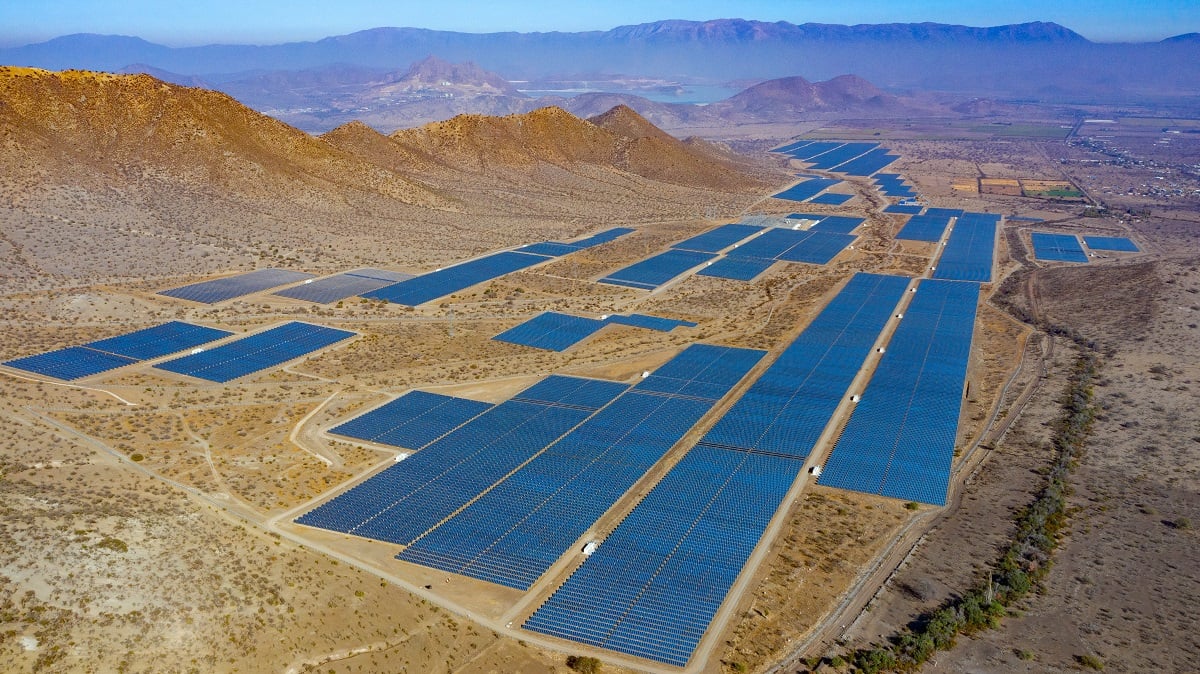
However, Chile claimed the number one spot thanks to its renewables policies and commitment to phasing out coal generation. The country has already met its 2025 clean energy mandate target of 20% of generation for utilities. Welcoming the findings, Chile’s energy minister Juan Carlos Jobet said the country is now working to convert the energy sector into “one of the fundamental pillars” of the country’s economic recovery.
Chile is among the countries to have used auctions to build its renewable energy generating portfolio, a policy that BNEF says “generally succeeds” among developing markets to add capacity and attract investment. Auctions, present in 45% of the emerging markets surveyed, have been “critical to renewables growth globally and are currently the most successful clean energy policy for boosting investment in developing economies”, the report says.
COVID-19 hits funding in 2020
While the outlook for renewable energy growth in developing economies was “exceptionally bright” at the end of 2019, the study notes that the effects of COVID-19 have been acute in emerging economies as funding from abroad begins to slow, with many investors seeking safer opportunities closer to home.
Despite clean energy investment appearing to weather the coronavirus storm better than other sectors of the global economy so far, investment figures are said to reveal a discrepancy between wealthier and less developed markets, meaning emerging economies could close 2020 with the steepest year-on-year drop ever recorded by BNEF.
However, thanks in part to the “massive strides” developing countries have made in the last decade in attracting clean energy capital and building unprecedented volumes of wind and solar capacity, BNEF says the outlook “is not entirely negative”. The research firm calls for a sustainable recovery from the pandemic by making the best possible use of public finances to attract private investment from both national and international investors.