The US PV manufacturing sector is set to make huge strides by 2030, but with some upstream constraints unresolved and question marks over future demand drivers.
In the third part of this week’s series exploring the US solar supply chain, we track how quickly announced manufacturing capacity is translating into real production.
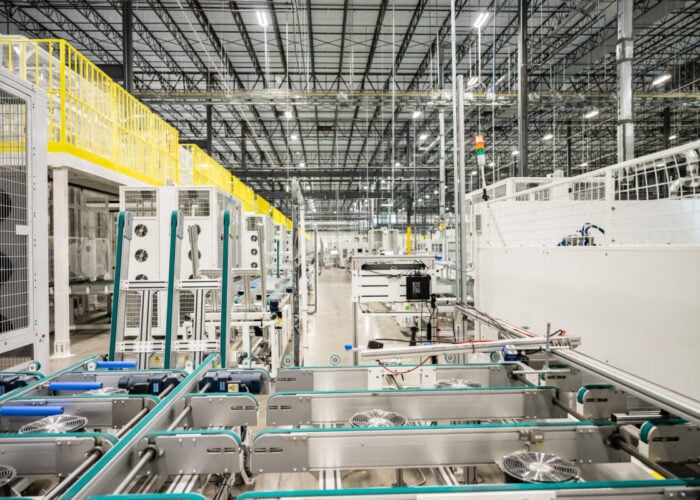
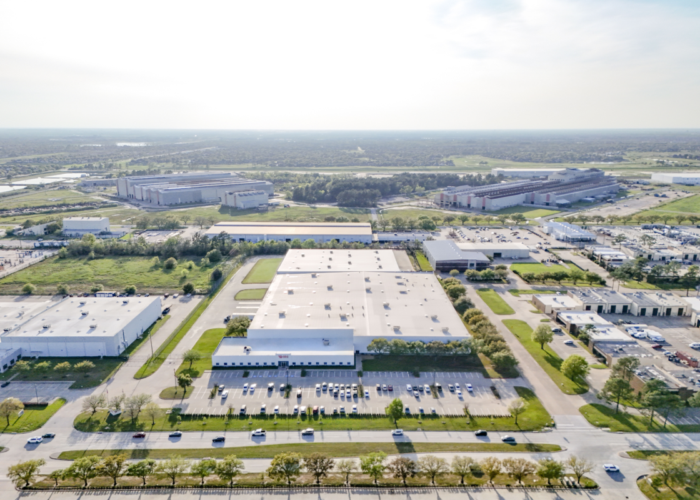
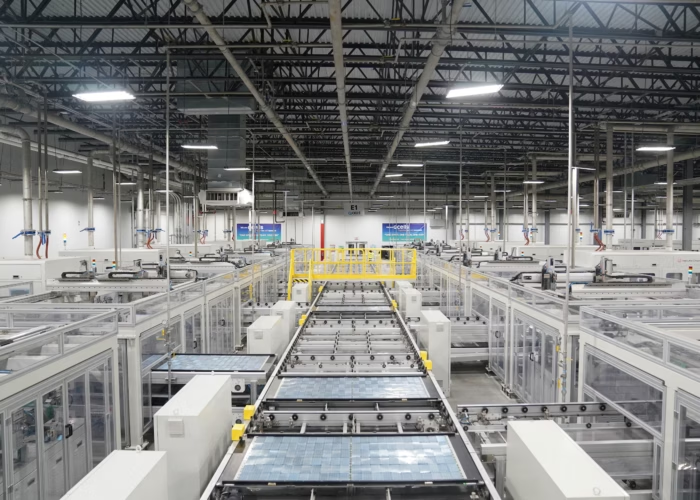
US module production is at a near saturation point, but significant capacity gaps persist further up the supply chain, writes head of PV Tech Research, Moustafa Ramadan.
Importing solar modules to the US will “no longer make any economic sense” under new Section 232 tariffs for polysilicon-based products, according to Intertek CEA.
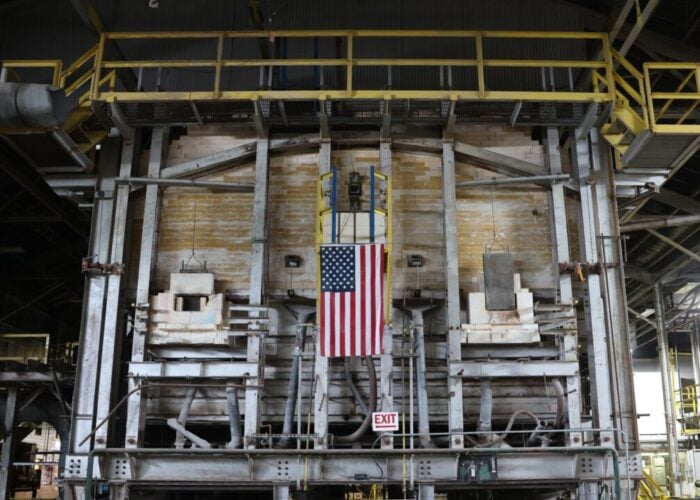
Domestically produced solar glass is a key gap in the US PV manufacturing ecosystem. Tom Kenning reports on efforts to kick-start local production of this vital material
Stronger downstream demand drove a surge in wafer prices last week, according to the latest figures from the Silicon Industry Branch of the China Nonferrous Metals Industry Association.
Foreign Entity of Concern rules create a multitude of new risks for US solar developers, some less visible than others. Intertek CEA’s Jordan Wilson explores the key steps towards minimising FEOC exposure in PV module purchase agreements.