The new ESG standard is based on existing international standards. For companies active in the solar value chain, the new standard creates a “one-stop-shop to independently validate ESG commitment at production sites”.
Facing an auditorium of the biggest names in solar, the panelists in the discussion emphasised the central role that ESG and supply chain traceability is coming to play in the solar industry.
Many large solar PV projects cross over First Nations land, and the representative body the First Nations Clean Energy Network (FNCEN) says that “proper and meaningful engagement with First Nations will be essential for the success of the renewable energy sector.”
The Clean Energy Council (CEC) of Australia and the New South Wales anti-slavery commissioner James Cockayne have partnered to produce a new Code of Practise to manage the risks of modern slavery exposure in renewable energy supply chains.
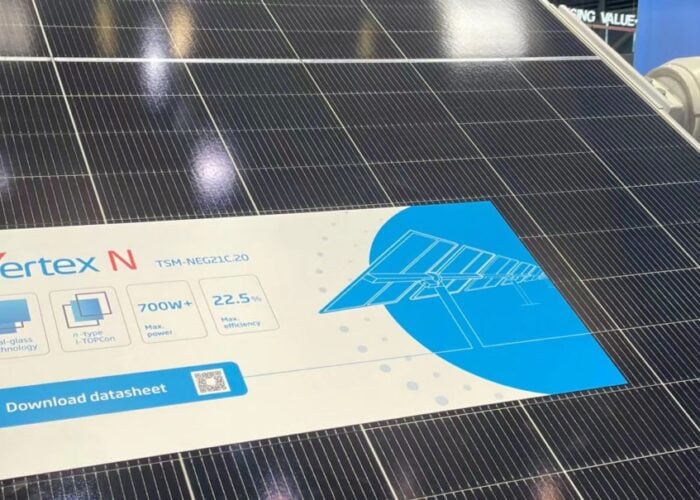
Trina Solar will continue the shift from producing p-type to n-type products, while it aims to base its manufacturing and operations purely on renewable energy by 2030.
Asset manager ESR Group has published its environmental, social and governance (ESG) 2030 roadmap where it targets to reach 1GW of installed solar power capacity from its rooftop assets.
The recent swathe of announcements from US policymakers – coupled with growing geopolitical unrest regarding Chinese manufacturing dominance and the role of solar PV from an energy security standpoint – has the potential to redefine PV technology, manufacturing and component supply chains in a way that the industry has never seen before, writes Finlay Colville, head of research at PV Tech.
For large, utility-scale European PV projects, the key to growth and success in the coming years may be in partnerships and consistency across both engineering, procurement and construction (EPC) and environmental, social and governance (ESG) frameworks, as legislators and utilities lag behind the industry’s rapid growth.