At least 455GW of new solar PV capacity will need to be installed each year by the end of this decade for the world to reach net zero status by 2050, new analysis by BloombergNEF (BNEF) has found.
Earlier this week the US National Renewable Energy Laboratory (NREL) published its 2021 Annual Technology Baseline (ATB) document, detailing the continued reduction in the levelised cost of electricity (LCOE) of the country’s core generators. Liam Stoker takes a look at the data and discusses just how cheap solar, and solar-storage, could become.
BP’s Statistical Review of World Energy 2021, published late last week, highlights how the world’s energy systems are changing at rapid pace, but equally illustrates how that pace of change must accelerate across the world if established economies are to meet net zero targets. Liam Stoker looks at the key takeaways from the report.
While the Asian solar industry has been hit by COVID-19 fueled disruption, the pandemic has also boosted interest from offtakers, industries and governments alike.
Almost two thirds of people working in the solar industry expect to see double-digit sales growth this year, according to initial findings from a Global Solar Council survey.
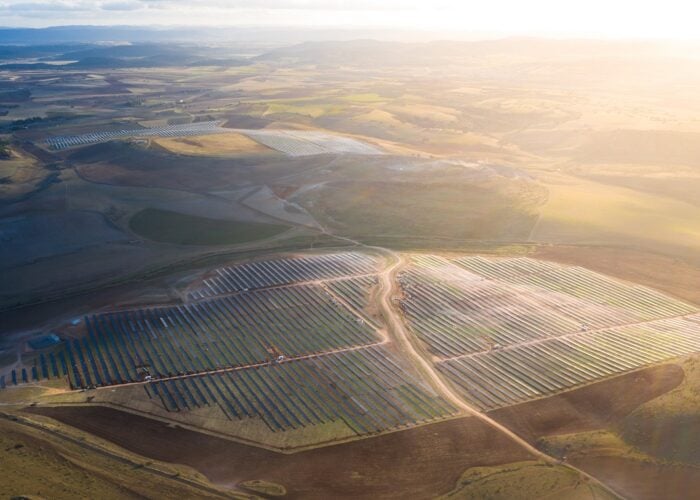
Developers will need to install the equivalent of "the world’s largest solar park roughly every day" by 2030 to support global net-zero emissions targets, according to a new report.
Green hydrogen may become cheaper than natural gas by 2050, falling by 85% over the next 30 years, but declining costs in the solar sector will be crucial for the nascent technology's growth.
Renewables investor Cubico Sustainable Investments has completed its acquisition of a European 272MW solar power platform called Grupo T-Solar from I Squared Capital.