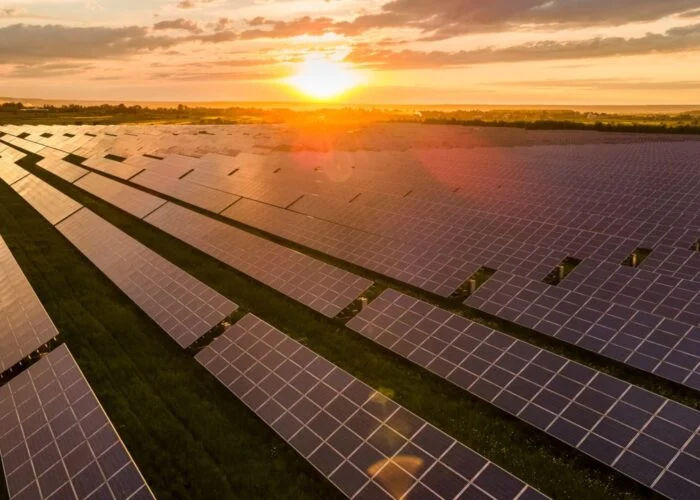
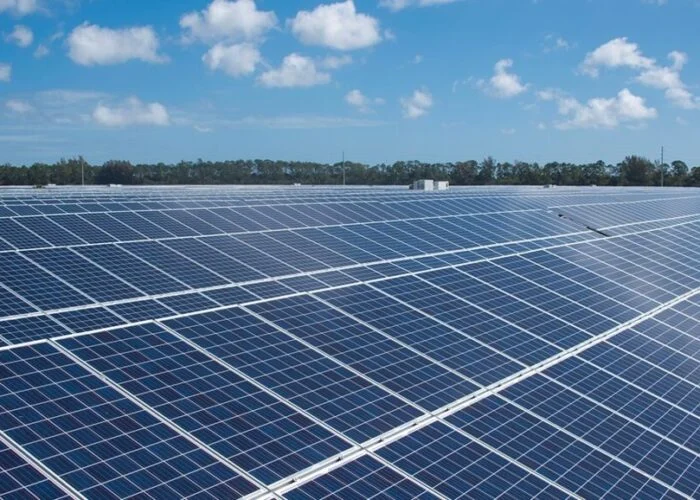
The irony of this won’t go unnoticed. The natural disaster and its repercussions leading to the re-examination of what was largely accepted as a ‘clean’ renewable energy are hitting the headlines today. As nuclear physicists scramble to prevent the breakdown of the nuclear reactors’ cooling systems, or any equally terrifying ensuing explosions, the renewables sector as a whole is casting its gaze to what are now being looked upon as the more benevolent options on offer to replace fossil fuels. And with several major solar manufacturers reporting stock rises today, it looks like the PV sector has clawed back some of its erstwhile supporters.
There are fears that the Fukushima nuclear complex, for example, 240km (150 miles) north of Tokyo, could undergo a major radiation leak. Prime Minister Naoto Kan used the word “alarming” to describe the state of the Fukushima No. 1 plant, which has seen two explosions since the tsunami; its No. 3 reactor erupted earlier today. Staff at this station had been desperately trying to cool down the nuclear fuel rods of reactor No. 3 using seawater; any meltdowns will result in the release of radioactive materials into the air and environs.
Try Premium for just $1
- Full premium access for the first month at only $1
- Converts to an annual rate after 30 days unless cancelled
- Cancel anytime during the trial period
Premium Benefits
- Expert industry analysis and interviews
- Digital access to PV Tech Power journal
- Exclusive event discounts
Or get the full Premium subscription right away
Or continue reading this article for free
Demand for solar equipment and products is already on the rise as a direct result of the series of disasters and subsequent nuclear power station issues. Trina Solar’s CEO Jifan Gao has been cited as being outspoken in regard to the nuclear disaster, which is said to have the potential to rival the scale of 1986’s Chernobyl meltdown.
In a conversation with Reuters at Trina Solar's headquarters in Changzhou, Gao was said to have warned against the technology:
“My personal view is that we need to seriously reassess the development of nuclear power plants and put more energy in developing renewable energies such as solar power…Even the Chinese nuclear power plants under construction need to be re-evaluated”, said Gao.
Companies such as Conergy, Q-Cells and SolarWorld have all report massive stock price hikes since news of the nuclear explosions surfaced, while similar increases were seen throughout the renewables sector. Rumours have even begun to circulate that suggest that the markets should expect to see a rise in incentives spending on the part of governments.
A reporter on Sky News reported on rumours that suggest that German Chancellor Angela Merkel will suspend a plan to extend the life of Germany’s nuclear plants, which could have a huge effect on the already healthy uptake of solar power in the German market.
However, this message does not seem to have made its way through the same corridors of logic in every case. The UK’s Chris Huhne has given the go-ahead for eight new nuclear power stations, and Greenpeace has reported that should things go according to plan, the UK is aiming to have 10 new reactors installed by 2024.
Mind-boggling in their potential, the nuclear disasters may claim more lives as the days and weeks go by. It can only be hoped that situations such as this can be avoided in the future by the gradual uptake of safer renewable technologies.
With an as-yet undetermined number of fatalities resulting from the earthquake and tsunami, the Japanese people are facing the possibility of having those figures added to significantly by these nuclear meltdowns.