A combination of recent grid and zoning reforms in Poland have created “a bit of a deathtrap” for project developers, who are struggling to adapt to the new regulatory environment in Poland.
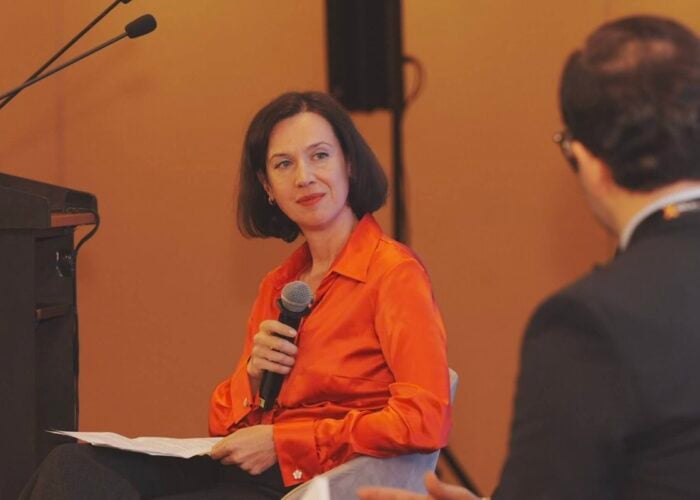
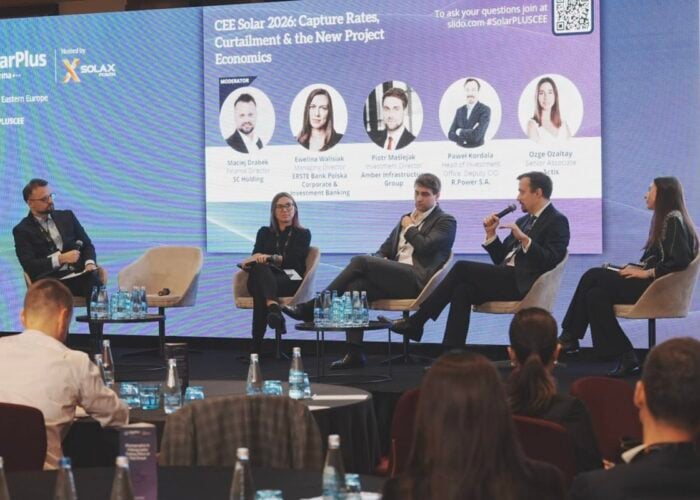
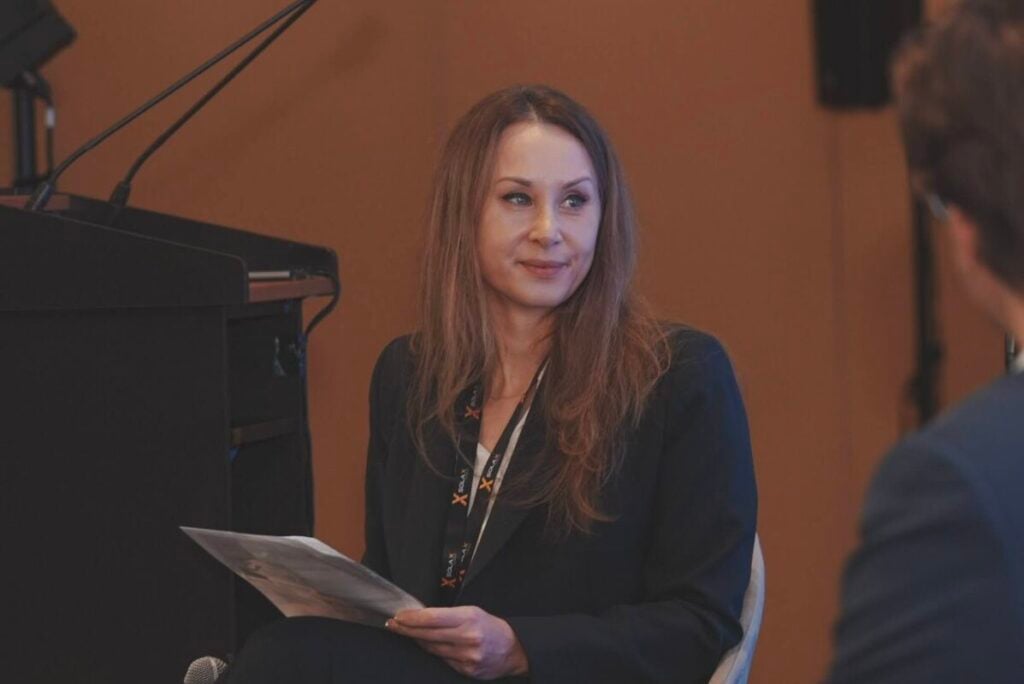
This was the opinion of Agnieszka Kulinska, partner and head of energy in Poland at law firm Clyde & Co, who moderated a panel discussion this morning at PV Tech’s SolarPlus Central Eastern Europe event, held in Warsaw.
Try Premium for just $1
- Full premium access for the first month at only $1
- Converts to an annual rate after 30 days unless cancelled
- Cancel anytime during the trial period
Premium Benefits
- Expert industry analysis and interviews
- Digital access to PV Tech Power journal
- Exclusive event discounts
Or get the full Premium subscription right away
Or continue reading this article for free
In April, the Polish government doubled the advance payment required for energy projects to apply for a grid connection and said that solar developers must obtain building permits covering at least 80% of installed capacity within 24 months of securing a connection agreement, or automatically lose the grid connection.
Then, in September, rules came into effect that solar farms of more than 1MW in capacity are required to have a local zoning plan to be awarded development consent. This follows a reform that came into effect in January that obligated local municipalities to use a ‘general plan’, which includes planned land use, future development and proposed timelines for awarding planning permission, to inform decisions on the use of developments on land, including solar projects.
A project can only be awarded a local zoning plan if the municipality has a general place in place, and Roman Karbowy, head of the agriPV working group at the Polish Photovoltaics Association, said that the combination of these reforms had become “the most important issue” when looking to secure planning permission.
“If you’re a developer and you want to develop something in Poland, you had to be in the process of developing a general plan,” he explained. “If you didn’t have a chance to be in touch with the [municipality’s] committee that was developing the general plan, you were already too late.”
Rytis Kėvelaitis, founder and CEO of Energy Unlimited, compared this situation to that of Lithuania, which he said had implemented “a good reform for solar, batteries and wind”; when he said this, Kulinska joked that: “‘I think it was a good reform’? I think no-one has ever said that in Poland,” which drew laughter from the audience, perhaps illustrating the dissatisfaction with Poland’s legislative landscape at present.
“Local municipalities have these so-called ‘spatial plans’ for renewable energy,” explained Kėvelaitis, “and there was this change that if a municipality doesn’t have a plan—and lots of municipalities didn’t have these plans—they can say ‘you can build wherever you want’. Of 60 municipalities in Lithuania, I think around 40 municipalities didn’t have these spatial plans and in those areas PV and BESS flourished.”
Lithuania and its Baltic neighbours Lativa and Estaonia are among Europe’s fastest-growing PV markets; earlier this month, energy infrastructure contractor DS1 was awarded the construction contract for the 300MW Jonova project, which, when completed, will be Lithuania’s largest solar project.
Project finances remain a key stumbling block
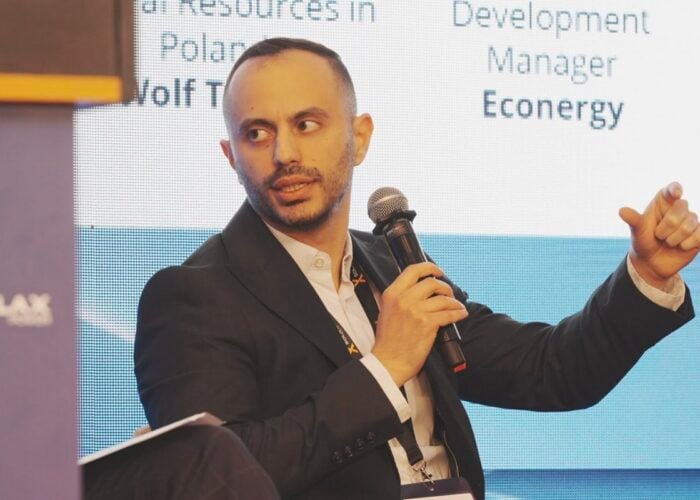
However, not all of the panelists identified Poland’s regulatory environment as the primary obstacle to project deployment. Arek Sekscinski, senior business development manager and country lead, Poland, at IPP Scatec, identified the financial viability of a project as the most important factor to consider.
“The projects that we screen don’t focus only on the permitting, we focus on a different angle: on the revenue side, on the offtake and on which region it is [which] are much more important than the permitting,” he explained.
This emphasis means that Scatec is more likely to consider co-locating renewable energy generation projects with battery energy storage systems (BESS), provided the addition of batteries can improve a project’s financial viability. This echoed sentiment expressed on the first day of the summit, that it is still possible to finance standalone renewable energy generation in Central and Eastern Europe, but that solar-plus-storage is often a more compelling business case.
“When it comes to PV [we check] whether we can add a BESS and whether its viable from a development point of view or a grid point of view,” added Sekscinski, who said that the “end of the story”, including revenues, offtake and the provision of other services, is among the most important factors to consider.
The sixth edition of PV Tech’s SolarPlus Central Eastern Europe conference is currently underway in Warsaw, Poland, and talking points include local policy frameworks and the role of storage in the region’s solar sector. For more details visit the event website.