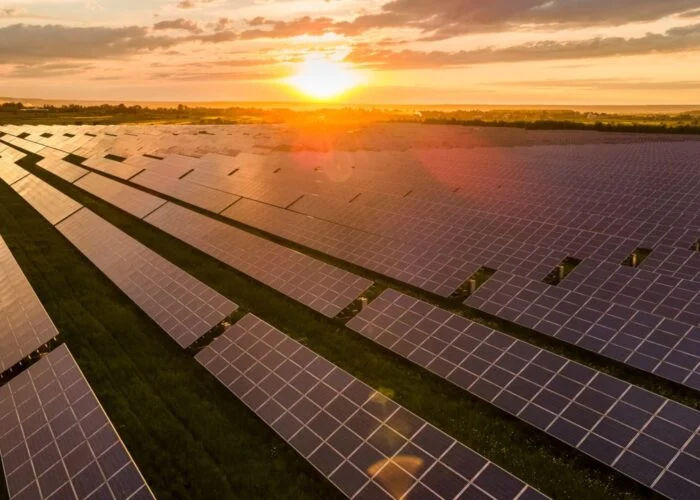
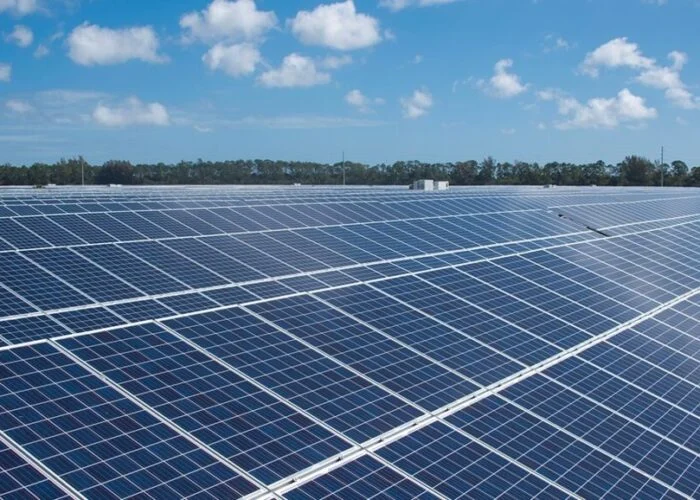
UK climate change minister, Amber Rudd, has said that subsidy-free solar PV should be “the goal” by 2020.
Speaking at the opening of a 2.7MW solar project in Yorkshire yesterday, the minister said that the industry was on track to be subsidy free by 2020.
Try Premium for just $1
- Full premium access for the first month at only $1
- Converts to an annual rate after 30 days unless cancelled
- Cancel anytime during the trial period
Premium Benefits
- Expert industry analysis and interviews
- Digital access to PV Tech Power journal
- Exclusive event discounts
Or get the full Premium subscription right away
Or continue reading this article for free
Rudd said: “I think that the public share our [the Department for Energy and Climate Change’s] enthusiasm for getting solar out there. The evidence is that, of all the renewable energy technologies available, the public are most supportive of solar – they understand that there is still a subsidy. We hope that it will be subsidy free by 2020 and on the current rate of deployment that seems achievable.”
However, the removal of renewable obligation support for solar projects over 5MW could threaten the technology's journey to grid parity. Speaking to PV Tech’s sister site, Solar Power Portal, Rudd described the scrapping of RO support for solar as “looking after taxpayers’ money”.
The minister continued: “It’s right that the subsidies came down because the deployment was so dramatic, it will continue to be reviewed so that we can eventually – hopefully by 2020 – have it subsidy free, which is obviously the goal.”
The Solar Trade Association (STA) calculates that solar accounts for 5% of the RO budget, asked how the department squares away unilaterally scrapping support for something that is only accounting for 5% of the budget, Rudd responded: “We are concerned with every percent of the budget. The STA quite rightly fights their corner but solar has been very successful, we have had to make adjustments and we think it’s the right balance in terms of letting the CfDs find the market and making sure that we protect taxpayers’ money while encouraging deployment.”
In response to concerns raised by Solar Power Portal that the CfD budget could see less solar deployed, Rudd said: “It’s going to be difficult to see until we actually have the first CfD but we will keep a close eye on it.”
Responding to the minister’s comments, Paul Barwell, CEO of the UK Solar Trade Association welcomed the target but warned policy changes would be needed to get there.
“This is an absolutely achievable target,” he said. “All of the detailed modelling we have done with updated cost projections across the commercial, residential and large-scale sector suggests we should be able to target zero subsidies by 2020 across all three.
“Large-scale may be slightly earlier in the 2020s but commercial rooftop will be earlier than 2020. The STA has put together a detailed budget plan across all the tariff mechanisms – across FiTs, RO and CfD and we have put together a scenario where we can reach zero subsidy through changes to the degression mechanism that will allow us to achieve zero subsidy but will also allow growth in the all important commercial rooftop sector,” said Barwell.
Rudd was keen to stress the potential of solar PV on commercial-scale roofs, describing it as a “win-win”. “I think we should all be ambitious to deliver rooftop solar, and my department will continue to be so,” he said.
Asked if the minister shared her predecessor's ambition to put “rocket boosters” under the poorly deployed commercial rooftop sector, Rudd said: “Like my predecessor, I would also like to put some ‘green rockets’ underneath the industry. One of the immediate things that the department did was have a roundtable with the industry, working with lawyers, builders, developers, some planners – to try and work out what the barriers are.
“What we’re trying to do is consult with industry to make sure whatever they are [barriers to deployment], we help get them out of the way. There is further to go, part of my visit here is to try and open up the possibilities and let people know more about what’s going on.”
Rudd concluded: “I think we will start to see a significant escalation of rooftop solar projects, it’s about education, engaging with the industry and publicising what’s going on.”
Paul Barwell will be providing more details on the STA’s plans to achieve zero-subsidy solar on Thursday 16 October at Solar Energy UK in Birmingham. Register for free now.
Additional reporting by John Parnell