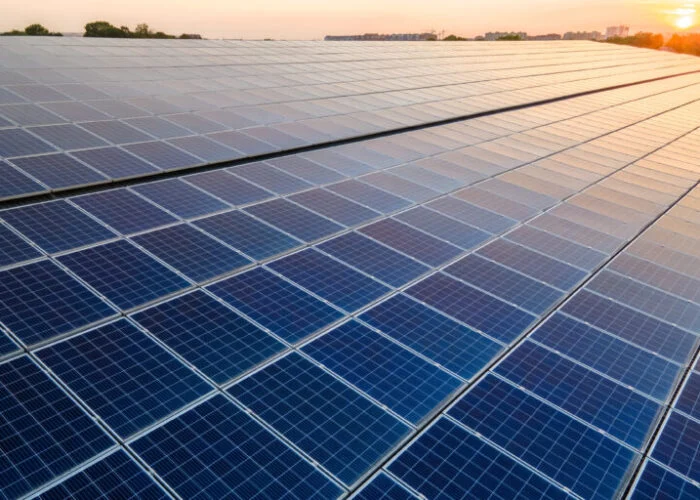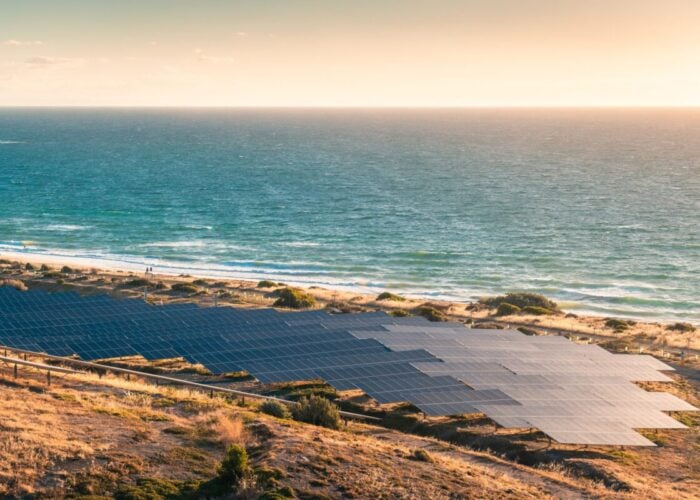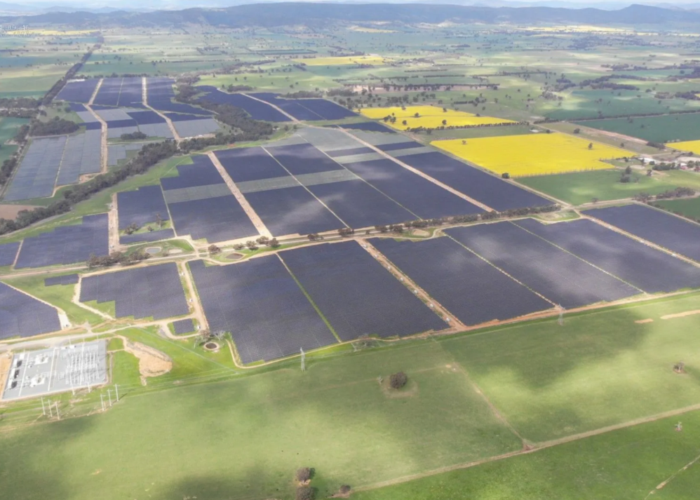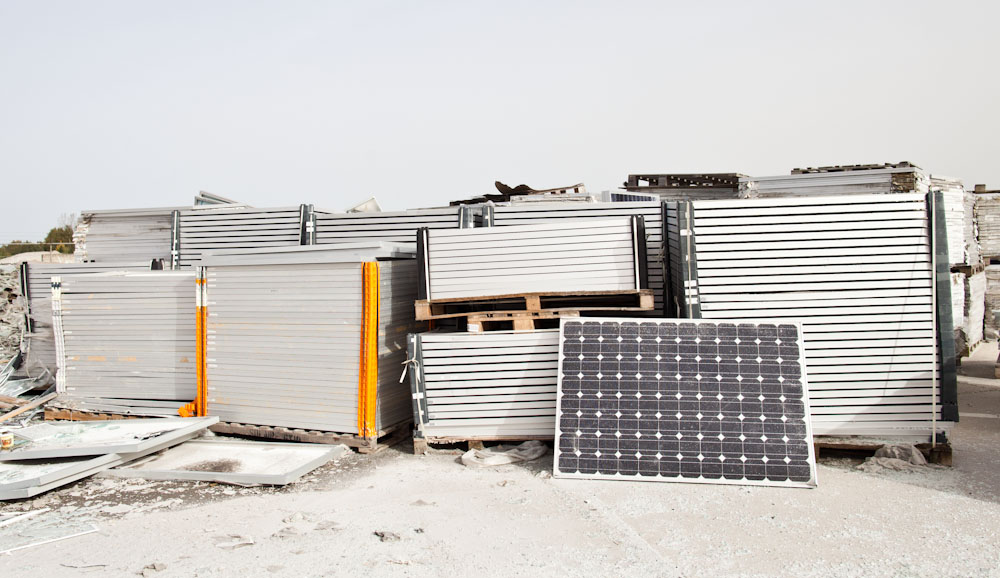
PV recycling capacity in Europe is lagging behind forecast waste volumes over the coming decades, according to a new study.
Research from the University of Murcia and European Commission’s Joint Research Centre reveals a growing mismatch between expected PV waste flows from 2030 to 2050 and the recycling infrastructure in place to handle them.
Try Premium for just $1
- Full premium access for the first month at only $1
- Converts to an annual rate after 30 days unless cancelled
- Cancel anytime during the trial period
Premium Benefits
- Expert industry analysis and interviews
- Digital access to PV Tech Power journal
- Exclusive event discounts
Or get the full Premium subscription right away
Or continue reading this article for free
The study estimated that, while current EU recycling capacity is around 170,000 tonnes per year, projected PV waste could reach 2.2 million tonnes annually by 2050, leading to “significant capacity gaps”.
The researchers highlighted how, although European Union member states had committed to a huge scaling up of PV as part of their decarbonisation drive, the bloc’s PV end-of-life regulatory framework was “incomplete and fragmented”.
The study said the need to close the regulatory gaps was “urgent” given the expected scale-up of PV in the EU between now and 2050 and the fact that some countries are ahead of schedule in reaching earlier PV deployment targets.
Germany, France, Spain, and Italy are expected to be the largest contributors to the growing waste mountain. For instance, Germany alone could generate nearly 681,800 tonnes of PV waste annually by 2050—far exceeding its current recycling capacity of 99,000 tonnes per year. Similar capacity gaps are evident in other major markets, with Italy, Spain and France also facing significant shortfalls.
“These trends suggest that EoL waste volumes may materialise earlier than anticipated, reinforcing the urgency to scale up recycling infrastructure and align regulatory frameworks with actual market growth,” the study said.
Regulatory and logistical gaps
Despite PV modules being included under the EU’s Waste Electrical and Electronic Equipment (WEEE) Directive since 2012, the study reveals that implementation remains fragmented across member states. Many countries lack dedicated PV waste flows, robust enforcement mechanisms, and accurate tracking systems. This regulatory inconsistency has created barriers to effective recycling, with stakeholders citing the absence of harmonised ‘extended producer responsibility’ (EPR) fee structures and minimum recyclability criteria as major obstacles.
Logistical challenges further compound the issue. The geographic concentration of recycling facilities in a few member states leads to high transportation costs and service gaps in underserved regions. Additionally, the lack of standardised dismantling technologies and digital traceability tools limits the scalability of recycling operations.
Strengthening solar recycling infrastructure
To address these challenges, the study proposes a series of targeted recommendations aimed at aligning infrastructure, regulation and market incentives with circularity goals.
Key measures include strengthening EPR frameworks under a revised WEEE directive to introduce clearer obligations for PV-specific waste flows, harmonised EPR fee structures and mandatory reporting procedures to improve traceability and enforcement.

It also recommends introducing minimum recyclability criteria in the form of a “recyclability index” to promote upstream product innovation and lower downstream costs by assessing metrics such as dismantling ease, material recoverability and eco-design features.
The research also said EU funding instruments such as Horizon Europe and the recovery and resilience facility should prioritise investments in advanced, regionally distributed recycling hubs. These hubs would be particularly critical in countries with growing waste flows but limited capacity.
Other proposed measures include digital traceability through mandatory use of digital product passports for all new PV modules, and the simplification of transboundary shipment procedures to facilitate cross-border waste flows.
Learning from global practices
The study also draws lessons from international experiences. China’s emphasis on coordinated national R&D programmes and early standardisation offers a template for aligning policy, technology, and industrial scale. Meanwhile, the United States demonstrates the potential of private sector innovation and regionally distributed recycling networks, despite the absence of federal mandates. Australia highlights the role of regulatory triggers, such as landfill bans, in spurring industry action.
Concluding, the study said that Europe’s solar recycling infrastructure was at a critical juncture, with a substantial gap between policy ambition and operational reality.
“Without decisive action, the EU risks a build-up of unmanaged PV waste, leakage of critical materials, and missed opportunities for strategic autonomy,” it said.
“With solar power achieving record contributions to Europe’s electricity mix in mid-2025, the findings of this study underscore that the path to a sustainable terawatt-scale PV future depends as much on downstream recycling infrastructure and policy coherence as on the success of new solar deployments.”
‘Assessing photovoltaic recycling capacities and policy gaps in the European Union’ was published in the journal Advanced Energy & Sustainability Research.