The latest Renewable Energy Country Attractiveness Index (RECAI 60) shows that energy transition and renewables deployment continue to be of paramount concern to global governments in the face of market volatility and an emphasis on decentralised grids.
EY published RECAI 60 to coincide with energy day at the COP27 conference, listing the top 40 countries based on the attractiveness of their renewable energy deployment and investment opportunities.
Try Premium for just $1
- Full premium access for the first month at only $1
- Converts to an annual rate after 30 days unless cancelled
- Cancel anytime during the trial period
Premium Benefits
- Expert industry analysis and interviews
- Digital access to PV Tech Power journal
- Exclusive event discounts
Or get the full Premium subscription right away
Or continue reading this article for free
The US retains the top spot following the Inflation Reduction Act (IRA), which allocated US$369 billion in tax credits and investment for domestic renewables.
China stayed in second place, having deployed a record 156GW of wind and solar capacity so far this year and continuing to lead the global renewables manufacturing market. Indeed, the top four solar PV manufacturers recorded 114GW of module shipments in Q1-3 of 2022, despite increased demand domestically in China.
Third and fourth places – Germany and the UK – swapped since last year after the UK lost its position as the world leader in offshore wind deployment capacity to China. However, the country continues to boast the ‘largest’ pipeline for offshore wind.
India remained at number seven and the Netherlands entered the top ten with a 70GW offshore wind target by 2050.
RECAI 60 also introduced an index that normalises GDP, removing the inherent bias that the index has towards large-capacity economies.
By this metric, Morocco was the most attractive country based on relative GDP, targeting 52% renewable energy by 2030. Chile, at number five on the normalised list, was generating over 50% of its electricity from renewables by the end of 2020, and EY said the country is on track to hit its 70% target by 2030. PV Tech Premium published an analysis of the future of Chile’s solar sector earlier this month.
The index also showed that corporate power purchase agreements (PPAs) remain strong despite volatile power prices and instability. Wood Mackenzie recently published a report that corporate PPAs in Asia Pacific have hit record highs.
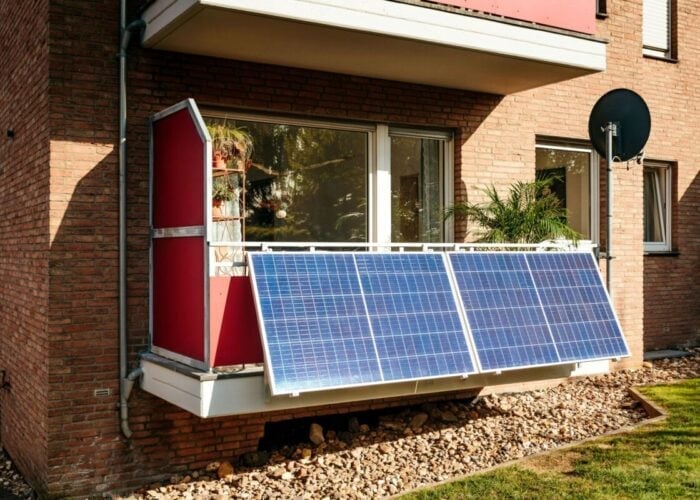
RECAI 60 raised the issue of energy security and distributed energy resources (DERs), calling on the world to “get smart about energy grids” as both developed and developing nations need to embrace more decentralised grids.
Arnaud de Giovanni, EY global renewables leader said: “To reach net zero, the integration of renewables must improve significantly. Distributed energy resources have a vital role to play in allowing a range of green energy sources to be integrated into the grid. Additionally, investment in smart grids will be key to securing energy supplies and getting the world to net zero by 2050.”
The index identifies a “favourable climate for DERs” that has emerged, in part due to the IRA and the EU’s REPowerEU scheme, which was scaled up as a result of the Russian invasion of Ukraine.
DERs are increasingly necessary to deploy renewable energy locally in developing markets. The RECAI 60 focus on this is reflected in recent COP27 announcements, like the EIB’s US$100 million investment in the Alcazar emerging markets renewables fund and the signing of three new financial partners to IRENA’s emerging markets fund.
The index report concluded that US$800 billion annual investment would be needed globally to achieve 2050 net zero targets.