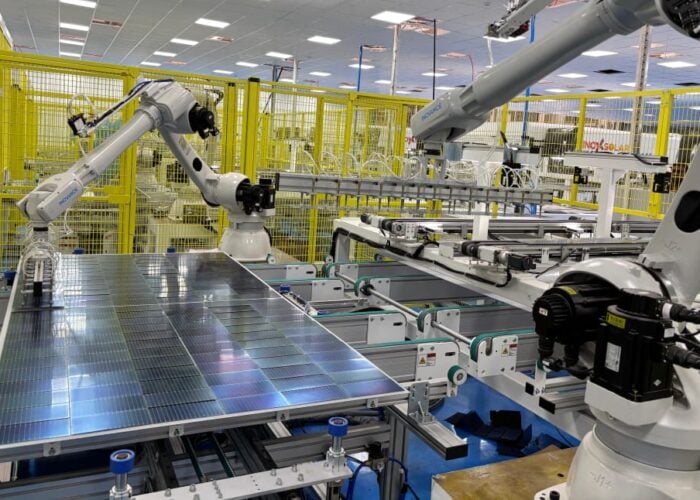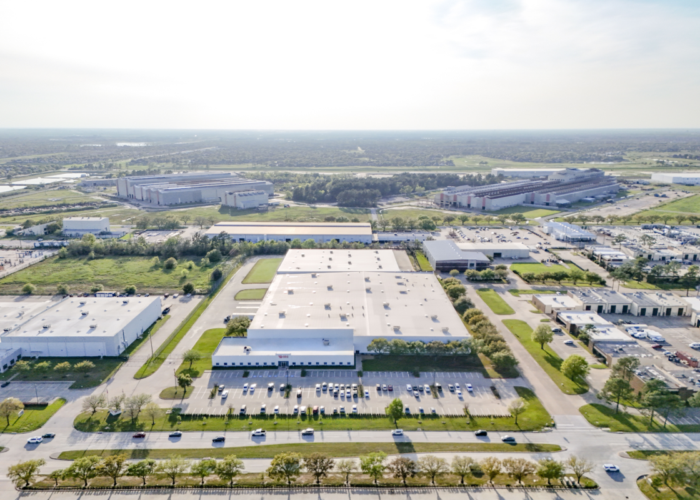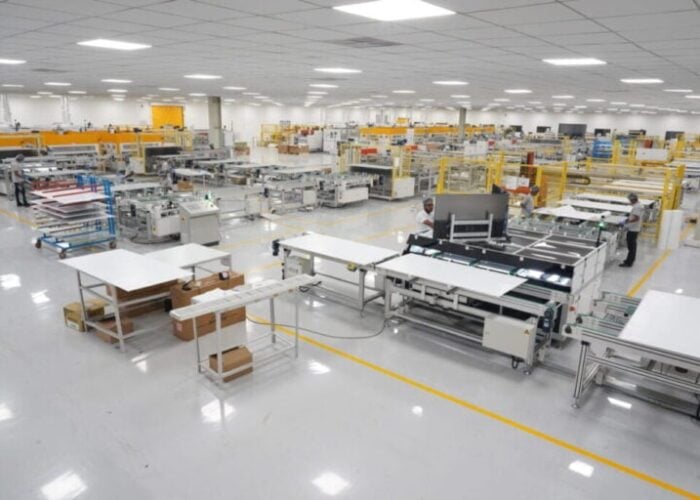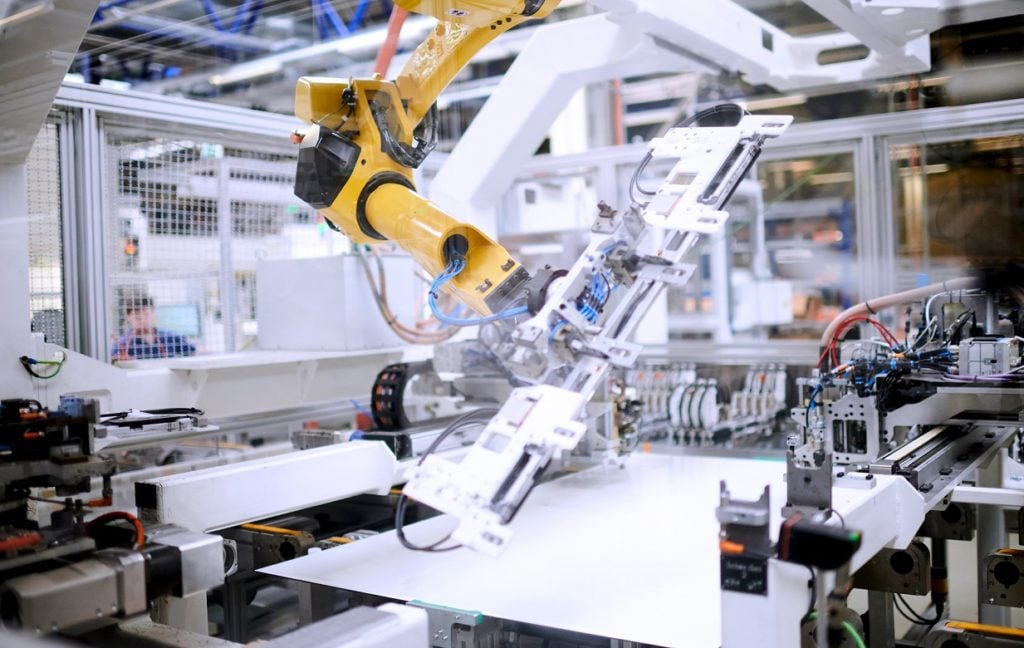
Annual module capacity in the US is expected to reach 35GW by the end of the year, according to advisory body, Clean Energy Associates (CEA).
In a guest article published today on PV Tech, CEA senior policy analyst Christian Roselund wrote that the growing availability of domestic solar modules gives “buyers more options and provides some insulation from new and existing trade barriers”.
Try Premium for just $1
- Full premium access for the first month at only $1
- Converts to an annual rate after 30 days unless cancelled
- Cancel anytime during the trial period
Premium Benefits
- Expert industry analysis and interviews
- Digital access to PV Tech Power journal
- Exclusive event discounts
Or get the full Premium subscription right away
Or continue reading this article for free
Last year, large-scale PV module assembly plants from eight manufacturers, representing over 20GW of new capacity, received equipment. CEA expects US capacity to hit 35GW by the end of 2024, more than a quadrupling in only 24 months.
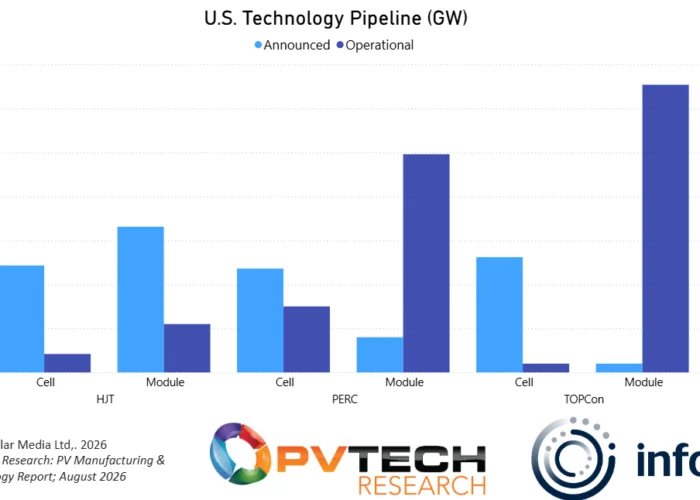
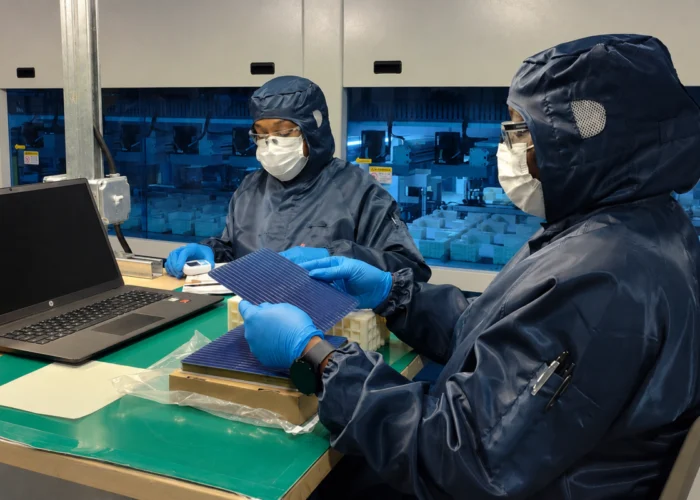
But Roselund reiterated forecasts in a previous blog post from the CEA last December that other areas of upstream manufacturing in the US would see less capacity coming online in 2024. Although the first US cell manufacturing is due to come online this year, he said reliance on Chinese and Southeast Asian solar wafers would continue.
Another trend to keep an eye on 2024 is the prospect of increased restrictions on Chinese companies and products, wrote Roselund. Among these is the possible expansion of the Uyghur Forced Labor Prevention Act (UFLPA) to batteries.
“CEA sees an expansion of UFLPA enforcement, including to batteries, as a particularly high risk that companies in the industry need to prepare for. Following the pattern of solar detections, we expect UFLPA battery detentions to target the largest manufacturers.”
Restrictions on batteries could have an impact on solar PV deployment as more and more PV projects are being paired with energy storage, especially in states such as California and Texas.
To read the full post, visit our Guest Blog section.