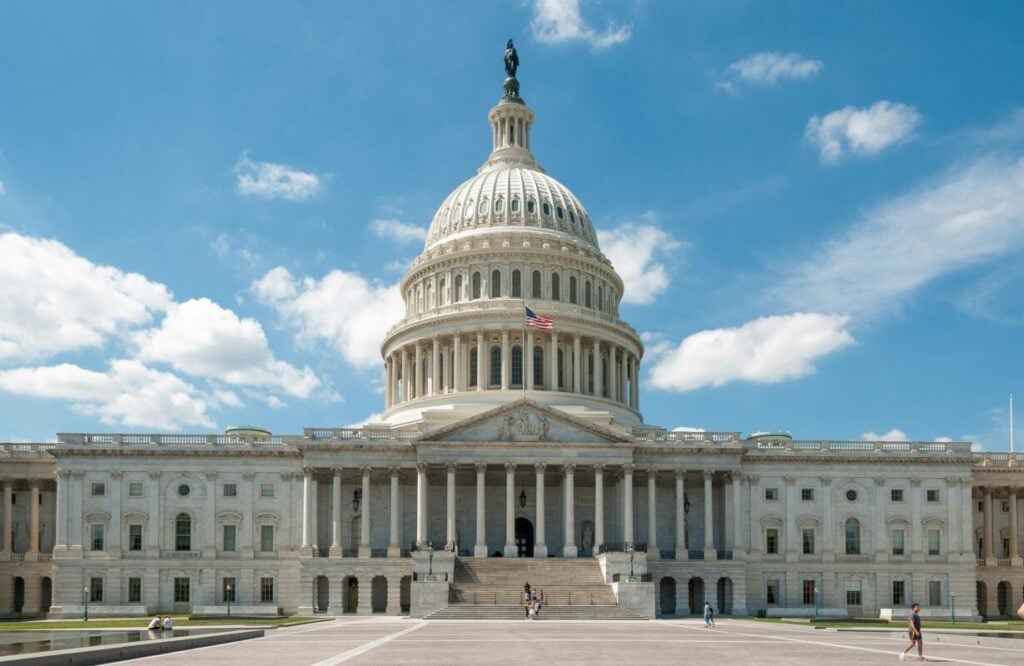
The US Senate Energy and Natural Resources Committee has received strong bipartisan support for the Energy Permitting Reform Act (EPRA) of 2024.
Yesterday (31 July), the Committee voted 15-4 in favour of the legislation, which brings it a step closer to becoming law.
Try Premium for just $1
- Full premium access for the first month at only $1
- Converts to an annual rate after 30 days unless cancelled
- Cancel anytime during the trial period
Premium Benefits
- Expert industry analysis and interviews
- Digital access to PV Tech Power journal
- Exclusive event discounts
Or get the full Premium subscription right away
Or continue reading this article for free
Introduced earlier in July by US Senators Joe Manchin from West Virginia and John Barrasso from Wyoming, the legislation aims to accelerate the permitting process for critical energy and mineral projects of all types and transmission lines in the US.
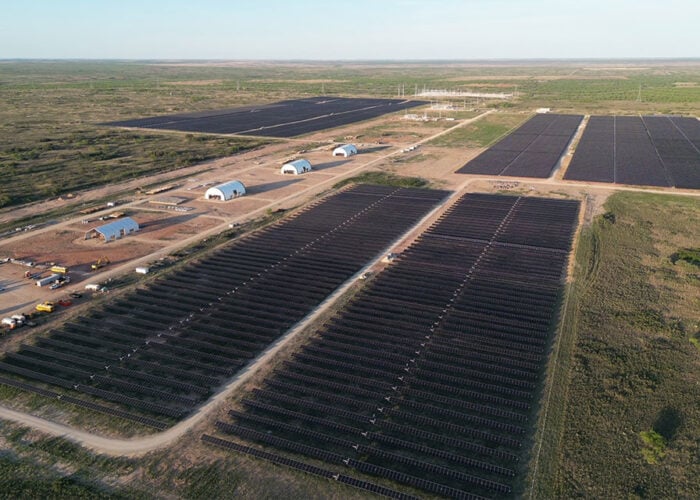
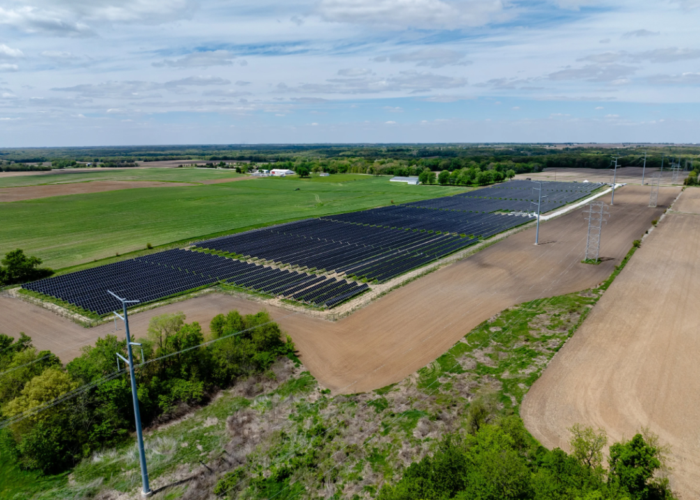
Regarding the development of renewable energy and energy storage on federal land, the bill aims to accelerate the leasing and permitting process, without bypassing environmental and land-use laws. It also aims to add at least 50GW of renewable energy in federal land by 2030 at the latest.
Another important provision in the legislation concerns the judicial review, which has seen its timeline drastically reduced. The deadline for individuals or groups to file a lawsuit to legally challenge federal actions for energy projects has been reduced from six years to 150 days (5 months). It also sets a 180-day deadline for federal agencies to act on remanded authorisations.
“This is everything that’s needed in this country to make sure that we’re able to deliver dependable, reliable and affordable energy in the cleanest fashion possible, realising that we have to have dispatchable power now, but also realise that we’re investing and we have to bring forward the transmission to basically move those electrons in the cleanest fashion with renewables. So we’re doing everything we can to have a balanced approach,” said Manchin.
FERC requirements on transmission lines
The legislation not only looked into streamlining permitting for renewable energy projects, but also the timeline for transmission lines works, especially interregional planning.
With interregional transmission projects taking up to a decade or more to be built, the process can take even longer in case of litigation. The process for interregional transmission projects would start at the state level, which will have one year to respond to the application before the applicant can go to the Federal Energy Regulatory Commission (FERC).
Moreover, the provisions include two pathways for the development of transmission lines, the first one would be an interregional planning requirement that ensures regions jointly address needs; while the second one is a process that allows individual applicants to propose national-interest projects. However, this does not apply to the Electric Reliability Council of Texas (ERCOT).
Regarding the interregional planning rule, Lori Bird, Director of the US Energy Program at the World Resources Institute called it an “important next step to ensure a sustainable and reliable grid.” Bird added that interregional transmission has been the most economically beneficial way to allow large quantities of renewable energy to be installed, while improving the grid’s resilience and reliability.
“This bill would mandate FERC to issue an order on interregional planning while enshrining its authority to do so – mitigating potential challenges from the recent weakening of the Chevron deference.
“The bill’s provisions to clarify the role of FERC in how costs are allocated are critical to ensuring the United States can build new power lines to meet the nation’s electricity needs and its climate goals,” explained Bird.
Recently, FERC had a final ruling (FERC Order 1920) regarding long-term regional transmission planning and cost allocation (Premium access). Steven Shparber, partner at law firm Mintz, said that the FERC ruling along with other initiatives from the US Department of Energy demonstrated that “the US is getting serious about transmission and the need for it”.
The content of the bill can be accessed here, while an executive summary of the bill can be read here.
On the same day, several US Senators sought to prevent Chinese solar manufacturers from benefitting from the tax incentives included under the Inflation Reduction Act. Among the senators backing the “American Tax Dollars for American Solar Manufacturing Act” is Senator Jon Ossof from Georgia, who has been pushing for more protectionist policies in the US solar industry for some time, including the lifting of the bifacial modules tariff exemption in March 2024.
Positive reaction from the industry
Several industry associations have reacted positively to the bill and its possible impact on permitting projects and transmission lines.
Abigail Ross Hopper, president and CEO of the Solar Energy Industries Association (SEIA): “Today we are one step closer to overcoming systemic roadblocks to the solar and storage industry and unleashing America’s clean energy sector. Voices on all sides of this issue agree that we need to reform the permitting process so we can rapidly build out transmission capacity and deliver abundant, low-cost renewable energy to the homes and businesses that need it.
“There are many positive elements in this bill, including fair transmission cost allocation and provisions to simplify clean energy development on public lands.”
The American Clean Power Association – which has been a supporter of the bill, as stated by Manchin yesterday during the business meeting – has highlighted the importance of the bill regarding the buildout of new transmission lines to allow more clean energy to be deployed.
“The legislation is both bold and balanced, creating an effective policy framework for building new high-voltage transmission. Building out new transmission will help ensure affordable, reliable energy for American businesses and consumers. In addition to accelerating clean energy deployment, the legislation would strengthen America’s energy dominance by promoting a diverse portfolio of domestic production,” said Jason Grumet, CEO of the American Clean Power Association.