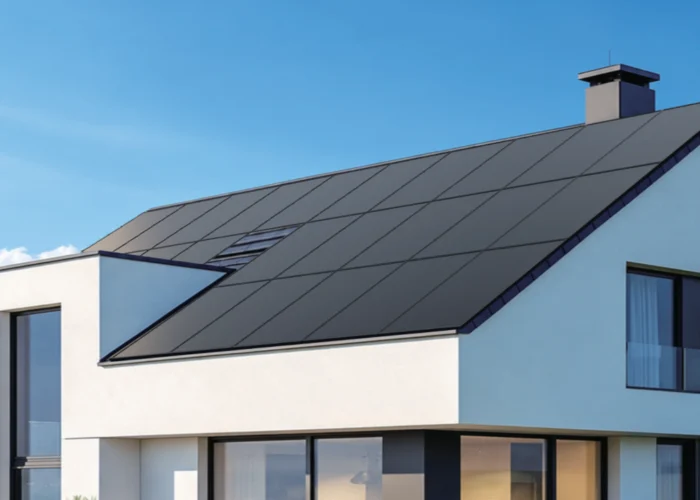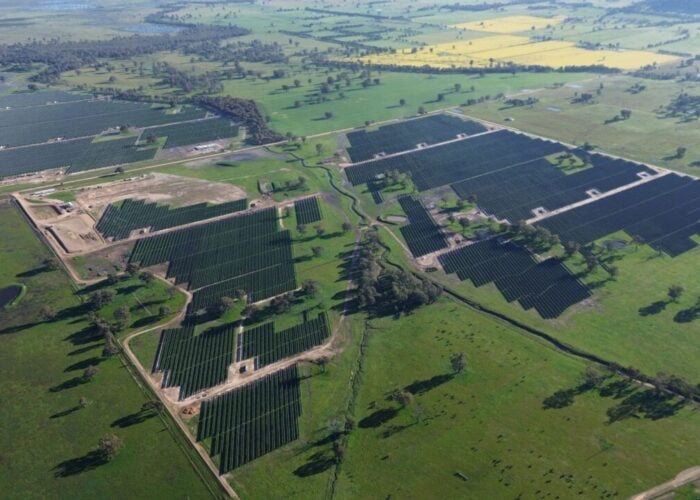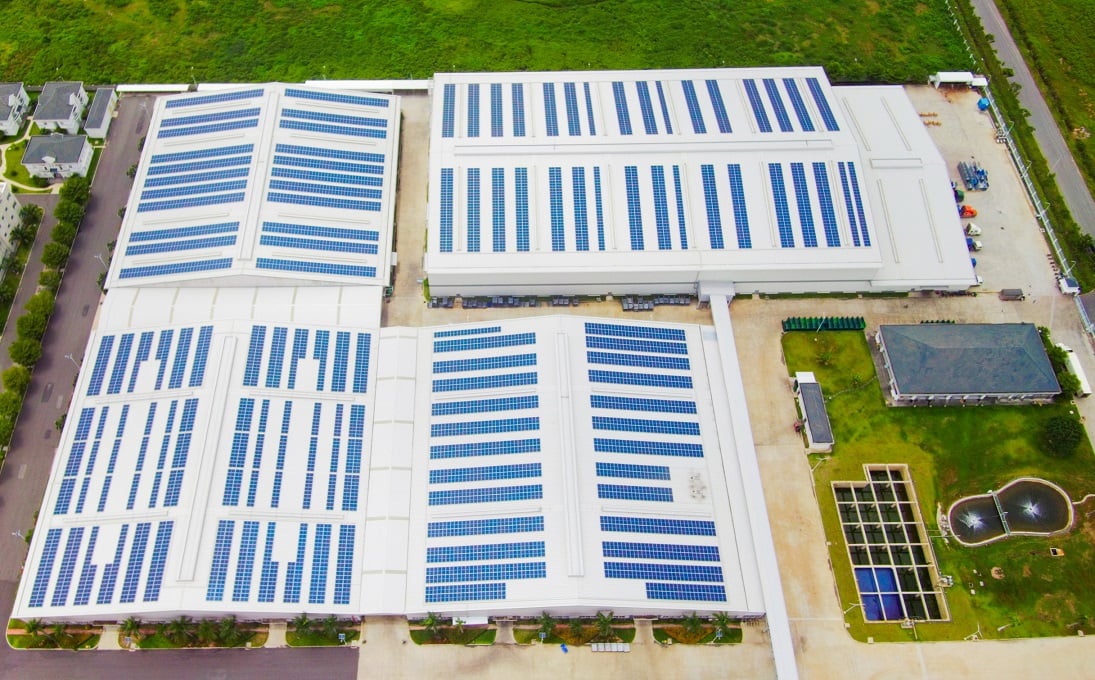
The Vietnamese government has announced a plan to buy excess electricity generated by residential and commercial rooftop solar panels, according to multiple reports.
The government is proposing a tariff of VND671 (US$0.024) per kWh for surplus power from the rooftop solar panels, with a proposed offtake volume of up to 10%. If approved, the price will be lower than half of the price of electricity that national power grid operator EVN is buying from solar PV plants.
Try Premium for just $1
- Full premium access for the first month at only $1
- Converts to an annual rate after 30 days unless cancelled
- Cancel anytime during the trial period
Premium Benefits
- Expert industry analysis and interviews
- Digital access to PV Tech Power journal
- Exclusive event discounts
Or get the full Premium subscription right away
Or continue reading this article for free
Vietnam’s Eighth National Power Development Plan stated that the country’s solar potential is about 963GW, but only less than 2% has been utilised. Meanwhile, solar energy will become the dominant energy source (about 200GW) in Vietnam’s energy mix in 2050.
Earlier this month, the Vietnamese government announced a plan to allow direct power purchase agreements (PPAs) between independent power producers and large electricity consumers.
According to data from the US International Trade Administration, Vietnam’s total technical potential for solar is up to 1,646GW, consisting of 1,569GW ground potential and 77GW water potential, while the total scale potential for large-scale solar PV projects nationwide is approximately 386GW.
Solar PV manufacturing presence
Vietnam is also home to several solar PV manufacturing plants. In May, Trina Solar expanded operations at its Vietnam solar PV manufacturing facility, ramping up capacity to a total production of 6.5GW of 210mm monocrystalline wafers, 4GW solar cells and 5GW modules. Not long before, Tokyo-headquartered solar manufacturer VSUN commenced commercial production of its 4GW silicon wafer plant in the country.
Inverter manufacturer GoodWe also started operation at its manufacturing plant in Vietnam in March 2024.
However, the US International Trade Commission (USITC) decided to continue its investigation into the imports of crystalline silicon PV cells from Southeast Asia, including Cambodia, Malaysia, Thailand and Vietnam, after the commission determined a “reasonable indication” for the US industry to be “materially injured” from imports of solar PV cells, whether or not assembled into modules.