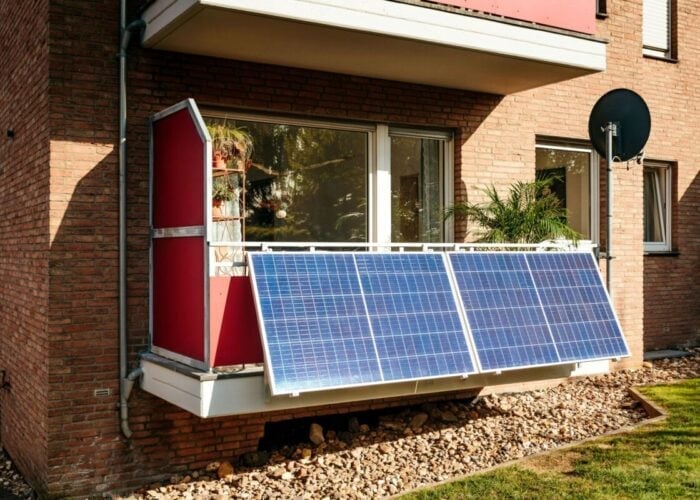
The Virginia General Assembly has passed a bill to allow rooftop solar leasing with a third party in the state, and prohibit customers from being required to provide proof of liability insurance as a prerequisite for interconnection.
The law, which will come into effect on 1 July 2024, also states that customers that generate their own electricity and use battery energy storage systems (BESS) alongside their generator won’t have to pay standby charges.
Try Premium for just $1
- Full premium access for the first month at only $1
- Converts to an annual rate after 30 days unless cancelled
- Cancel anytime during the trial period
Premium Benefits
- Expert industry analysis and interviews
- Digital access to PV Tech Power journal
- Exclusive event discounts
Or get the full Premium subscription right away
Or continue reading this article for free
“As our energy demand increases, we’ll need to think of novel ways to generate supply, and programs like solar leasing and net metering help incentivise deployment where it’s needed most,” said Suhas Subramanyam, a member of the Virginia Senate.
According to the Solar Energy Industries Association (SEIA), more than 50,000 Virginia homes have solar systems installed, and the market is expected to grow by nearly ten times in the next decade. In 2020, the Virginia General Assembly passed the Virginia Clean Economy Act (VCEA), which mandated a goal of 100% zero carbon energy generation by 2050.
“As thousands of Virginia families consider their energy choices and install solar over the next decade, the solar and storage industry is taking steps to ensure every installation is safe, reliable, and meets customer expectations. SEIA will continue to advocate for policies that open the market for solar, put customers first, and strengthen Virginia’s energy economy,” said Caitlin Vincent, Southeast senior manager for the SEIA.
As of the end of 2023, Virginia boasted 4.84GW of installed solar capacity while it added 591.6MW in 2023, according to the SEIA, and solar met 6.56% of power demand in the state last year. Regarding solar installations, utility scale projects have accounted for the majority of additions since 2020, while residential solar installations have gained traction since 2020 as well.