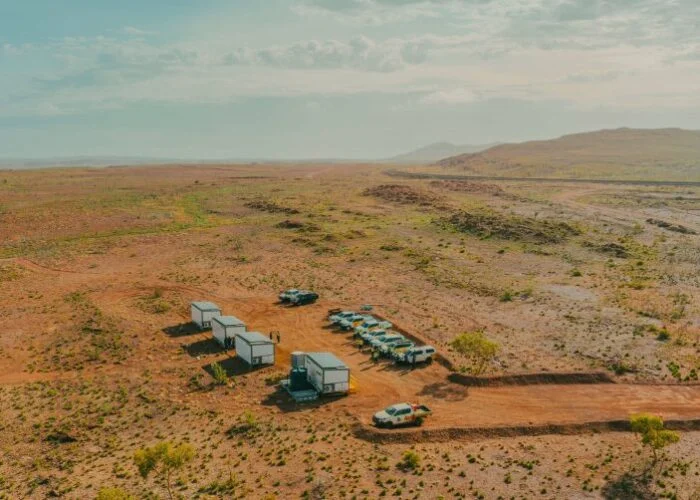
Lucy Nation, country president of bp Australia, has said that the organisation has paid the price for proceeding “too quickly,” resulting in its exit from the 26GW Australian Renewable Energy Hub (AREH) project in Western Australia.
Just days after oil and gas major announced it had exited the Australian Renewable Energy Hub (AREH), a 26GW wind, solar, and green hydrogen project in Pilbara, Nation said it was a “gut-wrenching” decision.
Try Premium for just $1
- Full premium access for the first month at only $1
- Converts to an annual rate after 30 days unless cancelled
- Cancel anytime during the trial period
Premium Benefits
- Expert industry analysis and interviews
- Digital access to PV Tech Power journal
- Exclusive event discounts
Or get the full Premium subscription right away
Or continue reading this article for free
“The AREH is a great project, and it is gut-wrenching to leave it. The Pilbara needs it, Western Australia needs it, Australia needs it, and the world needs it,” Nation said.
Last week, the oil and gas major confirmed it had advised the project’s partners that it would exit the project as operator and equity holder and instead focus on its upstream oil and gas business. The organisation acquired a 40.5% stake in and became the operator of the major green hydrogen project in 2022.
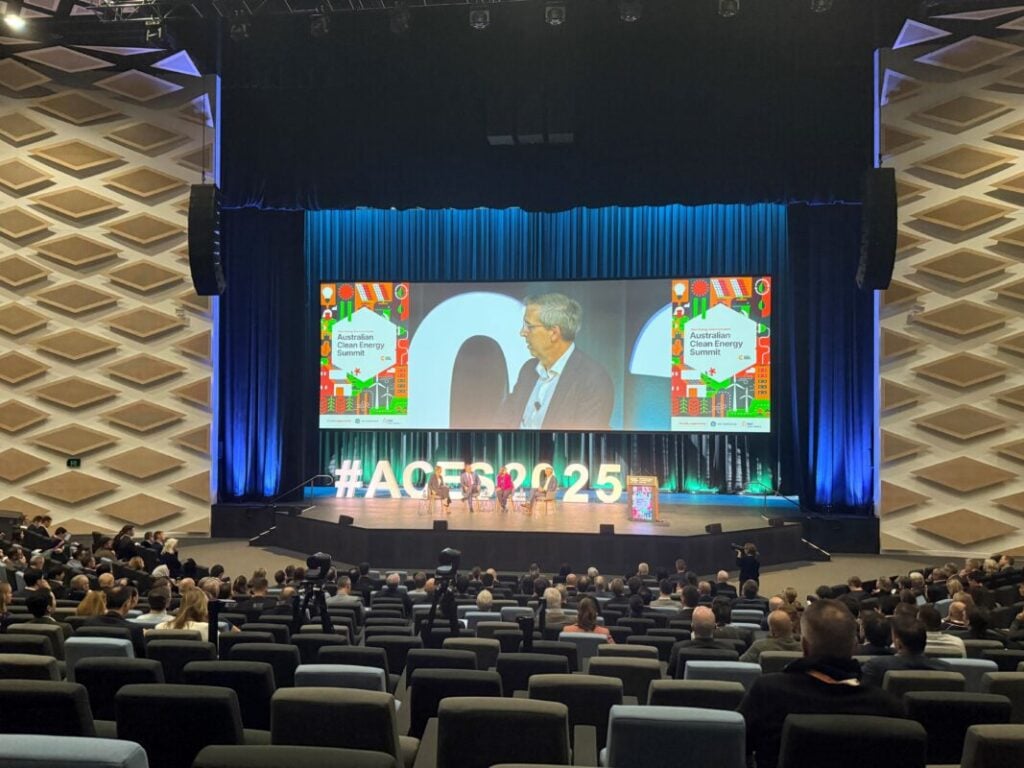
However, speaking at the Clean Energy Council’s Australian Clean Energy Summit 2025 in Sydney yesterday (30 July), Nation said the company’s exit from the project is a result of going “too quickly” on green hydrogen, with a limited number of local offtakers having damaged the project’s progress.
“What we’ve learned since 2020 is that we went faster than many of our customers were ready for, and we went faster than many governments in the jurisdictions that we were working in were ready for, so we’ve had to reset the strategy and regroup.”
This reset saw bp launch a “last-ditch” retreat from renewables earlier this year, seeking to reduce its renewable energy spending and increase its focus on oil and gas production.
Nation added that the hydrogen market has not quite developed as expected, with much of the globe not having achieved the ‘Goldilocks price’ of US$2 per kg of green hydrogen.
“We saw a lot of hype from countries that need to import green energies to meet their decarbonisation goals. This isn’t quite playing out, as nowhere in the world is producing hydrogen at US$2 per kg,” Nation said.
“AREH also had a number of setbacks with customers pulling out, which has changed the timeline and therefore is no longer fitting the strategic frame for bp, but it will continue. Our joint venture partners will keep moving forward with the project.”
However, despite pulling out of the Australian hydrogen market, Nation said bp remains committed to global hydrogen projects as long as they have offtake agreements in place.
Australia’s hydrogen market takes a hit
News of bp’s intended exit from the AREH and broader Australian hydrogen market comes as another blow to the country’s prospects of becoming a “renewable energy superpower,” with hydrogen set to play a vital role in this.
Australian energy major Origin Energy confirmed it would shift away from green hydrogen last year to focus more on battery energy storage systems (BESS) and renewable energy generation.
At the time, Origin Energy’s CEO Frank Calabria still believed hydrogen could play a role in the future energy mix but admitted the market was developing more slowly than anticipated, which echoes Nation’s thoughts on the Australian hydrogen market.
Our publisher, Solar Media, will host the Battery Asset Management Summit Australia 2025 on 26-27 August in Sydney. You can get 20% off your ticket using the code ESN20 at checkout.