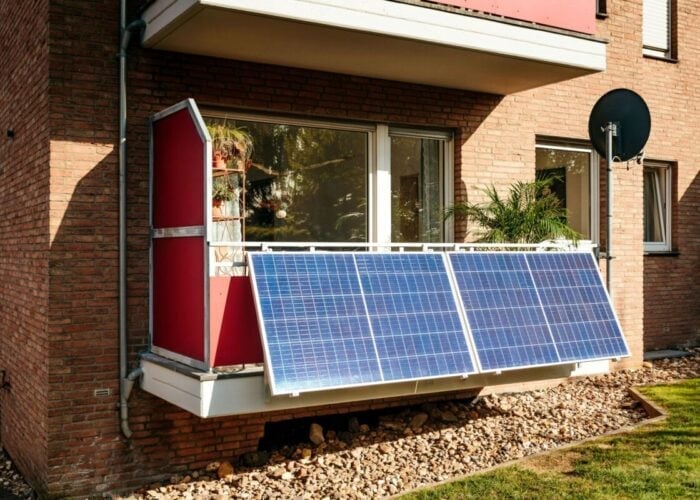
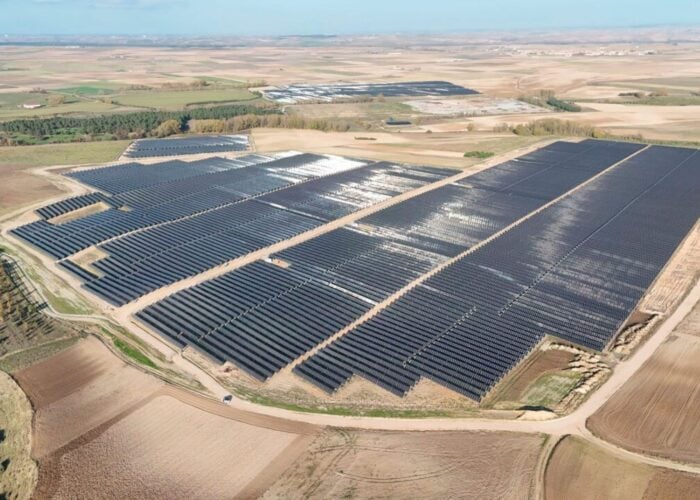
The government of Western Australia has finalized the long-awaited feed-in tariff. Energy minister Peter Collier has announced State Budget funding of AUS$23million to introduce the residential net feed-in tariff scheme, providing a subsidy to householders with new and existing photovoltaic, wind and micro-hydro systems.
The scheme, which will pay out over a period of 10 years, will open for applications from July 1, with payments to be made from August 1.
Try Premium for just $1
- Full premium access for the first month at only $1
- Converts to an annual rate after 30 days unless cancelled
- Cancel anytime during the trial period
Premium Benefits
- Expert industry analysis and interviews
- Digital access to PV Tech Power journal
- Exclusive event discounts
Or get the full Premium subscription right away
Or continue reading this article for free
“The net feed-in tariff scheme has been set at AUS$0.40/kWh on electricity exported into both the South West Interconnected System (SWIS) and regional grids,” Collier said.
“This is in addition to the price paid under the existing Renewable Energy Buyback Scheme, which will allow householders to receive a minimum of AUS$0.47/kWh.
“This provides a genuine incentive for home owners to install renewable energy systems, which not only has a positive impact on the environment but it will also help householders manage their electricity bills.”
Current system size under retailer buyback schemes, up to 5kW for Synergy customers and up to 10kW per phase for Horizon Power customers, will apply. Both electricity retailers will administer the net feed-in tariff scheme on the SWIS and regional networks respectively.
This announcement follows the introduction of the Household Renewable Energy Scheme last year, with rebates to be paid to almost 4,500 homeowners who had installed solar energy systems between September 6, 2008 and June 2, 2009.
A feasibility study is also being undertaken into the potential for a similar scheme for businesses.
Scheme design parameters
- Rate – $0.40/kWh for net electricity exported to the grid. This rate is in addition to buyback schemes offered through Synergy and Horizon Power;
- Recipients will receive payments for 10 years;
- System size must be consistent with Renewable Energy Buyback Scheme and will be limited to 5kW for Synergy customers and 10kW per phase (30kW in total) for Horizon Power customers; and
- The scheme will be reviewed every three years or 10MW of new generation to assess the ongoing level of support required in light of changing economics and technologies.
Eligibility
- Includes photovoltaic, wind and micro-hydro energy technologies. Emerging technologies may be included upon review;
- Scheme is open to residential applicants only;
- Includes all current and future eligible systems;
- The system must be owned by the home owner (including tenanted properties); and
- Applicant must also be eligible for and participate in the Renewable Energy Buyback Scheme.