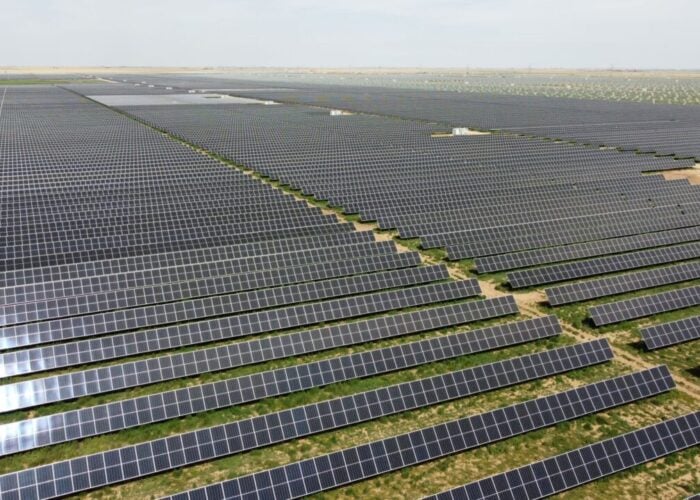
A new program has been established by the Secretary of the Interior, Ken Salazar to overcome the often lengthy (more than two years) and not always successful applications to use public land in desert regions, which include Nevada, Arizona, and parts of California. Key aspects of the program include ‘prime zones,’ new permitting offices to speed up permitting and the funding of environmental studies in the designated areas.
mportantly, the 158 active solar applications, which the Bureau of Land Management (BLM) has received, which equates to 97GW and covering 1.8 million acres, will not need to reapply. The BLM will now begin site-specific environmental reviews for two major projects in Nevada that would have a combine capacity of more than 400MW.
Try Premium for just $1
- Full premium access for the first month at only $1
- Converts to an annual rate after 30 days unless cancelled
- Cancel anytime during the trial period
Premium Benefits
- Expert industry analysis and interviews
- Digital access to PV Tech Power journal
- Exclusive event discounts
Or get the full Premium subscription right away
Or continue reading this article for free
“President Obama’s comprehensive energy strategy calls for rapid development of renewable energy, especially on America’s public lands,” said Secretary Salazar. “This environmentally-sensitive plan will identify appropriate Interior-managed lands that have excellent solar energy potential and limited conflicts with wildlife, other natural resources or land users. The two dozen areas we are evaluating could generate nearly 100,000 megawatts of solar electricity. With coordinated environmental studies, good land-use planning and zoning and priority processing, we can accelerate responsible solar energy production that will help build a clean-energy economy for the 21st century.”
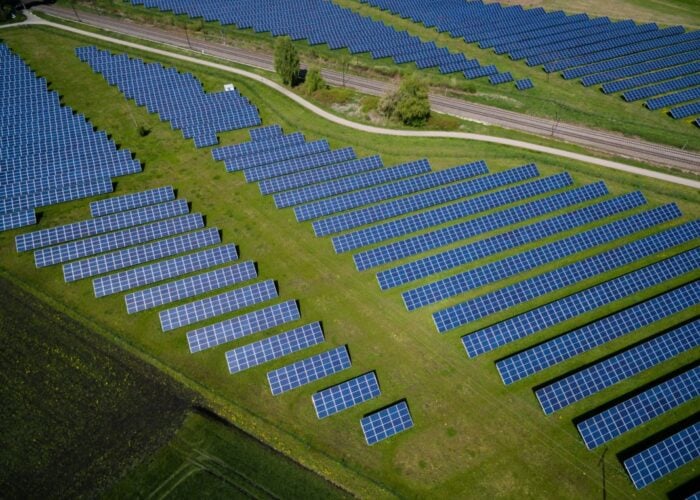
In particular, 24 tracts of BLM-administered land located in six western states, are to be fully reviewed for 10MW plus solar plants, which are claimed to receive ‘a more efficient process for permitting and siting responsible solar development.’ The Solar Energy Study Areas, located in Nevada, Arizona, California, Colorado, New Mexico and Utah, have just been published and encompass about 670,000 acres.
Interestingly, the BLM have been instructed to make decisions on using alternative competitive or non-competitive procedures in processing new solar applications for these areas. One assumption on this is to still give permission on land use by one type of solar technology, even though another type may not have been given approval. An example could be the lack of water, which is required for some technologies.
Secretary Salazar also announced the opening of a new Interior renewable energy coordination office (RECO) in Nevada, the first of four, with the others located in Arizona, California, and Wyoming. The offices are intended to improve processing and handle the increased number of applications.