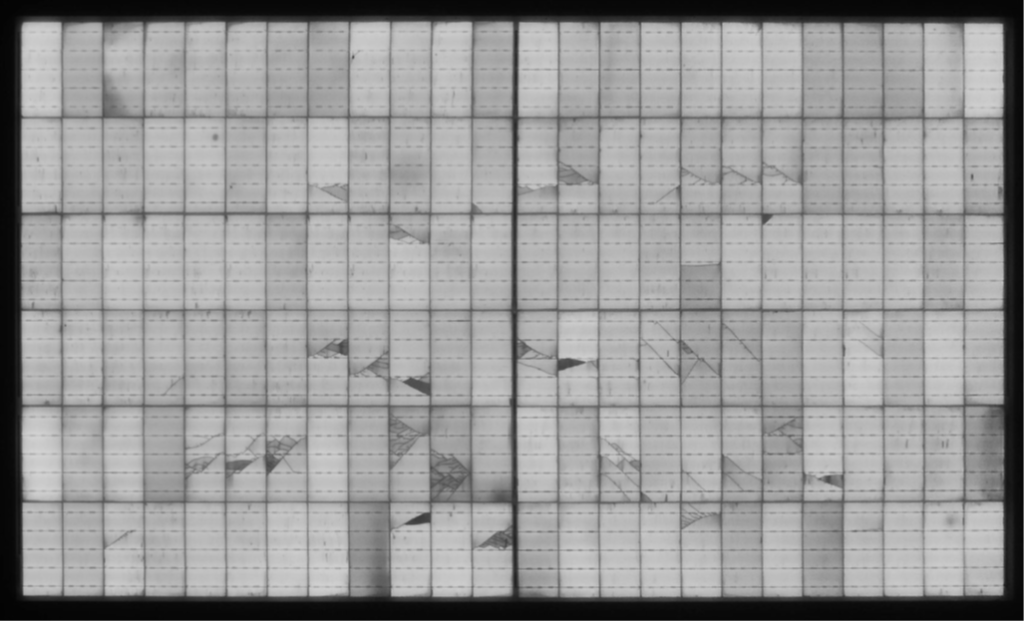
More than 70% of global solar manufacturing facilities exhibited “major” or “critical” defects in 2025, according to a new report from Intertek CEA.
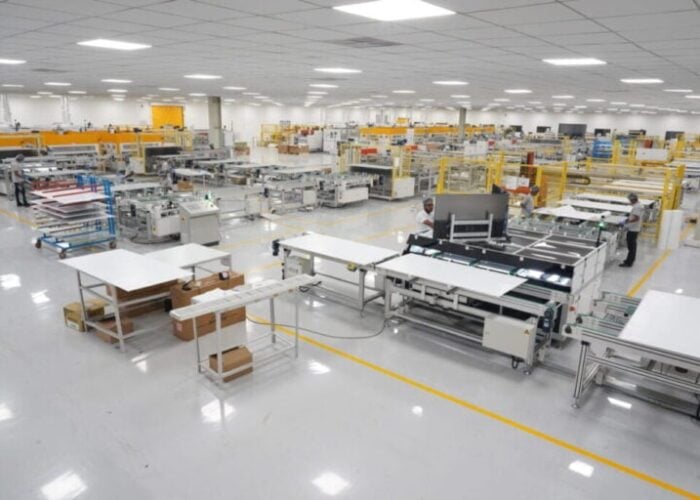
71% of the solar PV factories audited by Intertek CEA last year across the world were judged to be C or D graded; 67% C and 4% D. This means they showed “multiple major” defects and, in some cases, “one or more critical” defects. The data is drawn from over 80,000 inspections of more than 340 PV manufacturing sites across the world.
Try Premium for just $1
- Full premium access for the first month at only $1
- Converts to an annual rate after 30 days unless cancelled
- Cancel anytime during the trial period
Premium Benefits
- Expert industry analysis and interviews
- Digital access to PV Tech Power journal
- Exclusive event discounts
Or get the full Premium subscription right away
Or continue reading this article for free
Perhaps most notably, none of the inspected factories was given the top A+ rating and only 2% secured a second-place A rating.
CEA says a “major” defect is one “that may reduce the product’s functionality or impact safety in the short or long term”, and a “critical” issue is one “that may result in severe safety risks and hazardous conditions. They are likely to cause damage to other products or property, trigger non-compliance regulatory issues, and generally constitute a breach of mandatory regulations.”
The report also identified “significant quality problems” at factories in every part of the world. China, India and Indonesia saw the highest proportions of critical D-rated facilities – close to half in all three cases – while India and the US recorded the only examples of A-rated factories.
Major defects were also found at every stage of factory operations, the report said, including documentation, incoming materials, quality control and production.
Reducing quality assurance to cut costs
The findings are stark. Huatian Xu, director of technology and quality at Intertek CEA, said the drop in quality has been driven primarily by ongoing price concerns.
“Industry-wide quality dropped on average over recent years, primarily because financial pressures forced manufacturers to reduce quality assurance and quality control measurements to cut costs,” he said.
This has been a dynamic affecting the solar industry for a few years. Two years ago, PV Tech led our quarterly print journal with a deep dive into manufacturing defects arising from cost-cutting and shifting global supply chains. Since then, we have seen reports from all of the major PV testing houses outlining a rise in manufacturing defects; most recently, Kiwa PI Berlin noted a “clear and concerning rise” in module defects.
“High-quality manufacturing requires stable markets that avoid monthly policy shifts and aggressive pricing,” Xu continued. “The industry also needs effective supply-side controls to curb overinvestment in capacity. Currently, excessive capacity drives a “rat race” among manufacturers that undermines quality.”
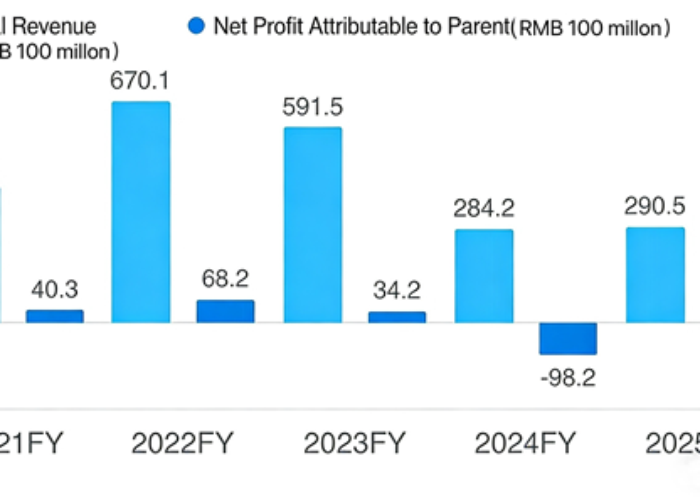
Overcapacity of PV production, particularly in China, has been a long-running issue. As a result of low prices and excessive capacity, five of the largest Chinese PV manufacturers posted combined financial losses of over US$4 billion in 2025.
There have been efforts by the Chinese industry and government to intervene and change these dynamics, beginning upstream with the polysilicon sector and changes to export tax rebates for PV products, though these are yet to be proven.
Other findings: TOPCon and US ramp-ups
The Intertek CEA report also took in other factors causing solar product defects. It found the highest number of critical issues in US factories during their early ramp-up stages, which it said shows “the need for strong quality assurance oversight”.
Last year, PV Tech spoke with Joerg Althaus, director of engineering services and quality assurance at Intertek CEA, who said that new factories show lower production rates and more defects regardless of geography. With efforts to reshore solar manufacturing in India and the US, alongside an increase in solar-specific tariffs from the US, India and China, defect rates seem set to stay high.
The report also picked up on technical issues with the adoption of tunnel oxide passivated contact (TOPCon) cell technology. It said that TOPCon is particularly vulnerable to ultraviolet light-induced degradation (UVID), a trend identified by a range of testing and technical institutions across the solar industry. PV Tech explored the latest issues with TOPCon in an explainer article last month.
“Manufacturers cannot fully eliminate [UVID],” Xu said. “Precise cell design and strict quality controls mitigate the risk to levels acceptable for warranty coverage, yet the degradation persists gradually during daily operation. Theoretically, the degradation stabilises after three to four years of field operation.”
You can find Intertek CEA’s Global PV Manufacturing Quality Report 2026 here.