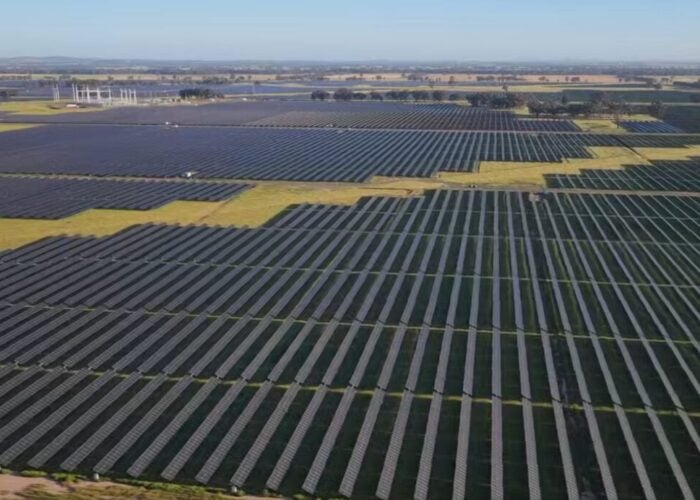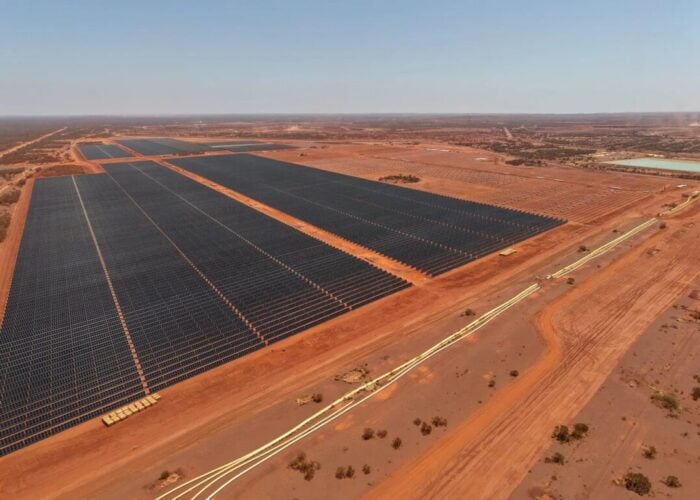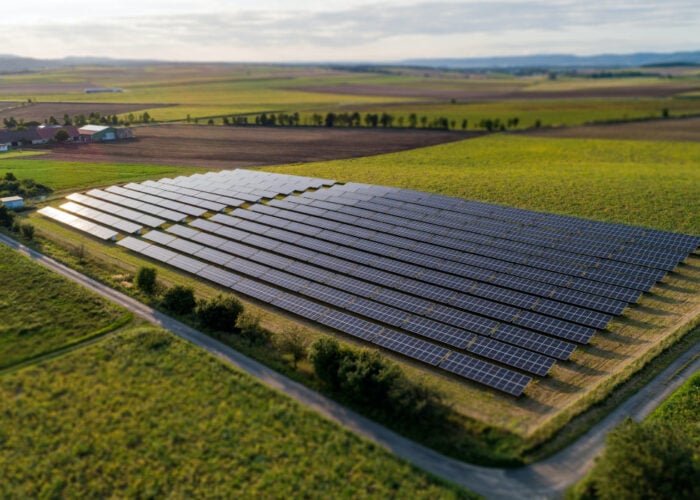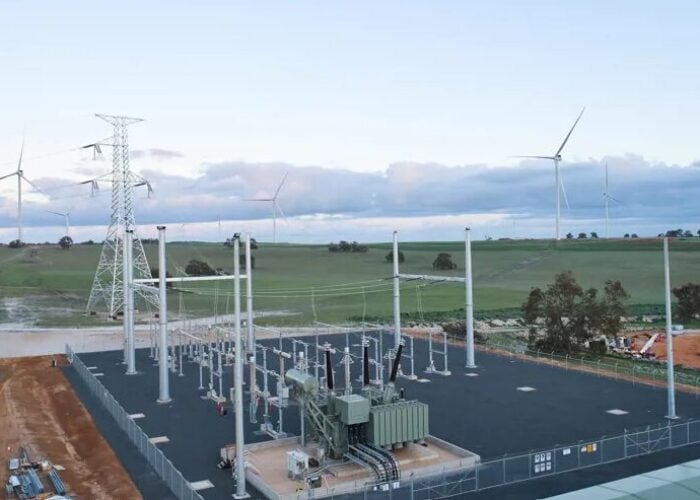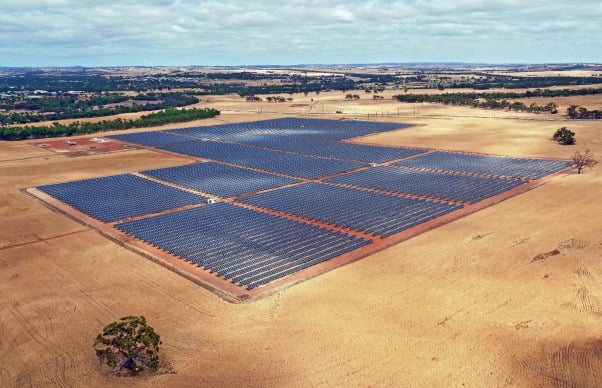
Plans to develop the Western Green Energy Hub (WGEH), a 70GW solar and wind mega-project, have progressed with the project having been submitted to Western Australia’s Environmental Protection Authority (EPA) for approval.
This would mark a key milestone in the project’s development if it is successful in securing approval.
Try Premium for just $1
- Full premium access for the first month at only $1
- Converts to an annual rate after 30 days unless cancelled
- Cancel anytime during the trial period
Premium Benefits
- Expert industry analysis and interviews
- Digital access to PV Tech Power journal
- Exclusive event discounts
Or get the full Premium subscription right away
Or continue reading this article for free
The AU$100 billion (US$65 billion) project is being pursued by project developers WGEH and the Korea Electric Power Corporation (KEPCO). The two inked a collaboration agreement in September.
It was previously slated to have a generating capacity of 50GW; however, referral documents indicate that this has increased to 70GW. This will be supported by around 3,000 wind turbines and up to 35 solar PV power plants located across the proposed site.
Stage One of the project is expected to generate around 6GW of wind and solar PV power, alongside 330,000 tonnes per annum of green hydrogen production via centrally-sited electrolysers.
Alongside the renewable energy generation and hydrogen production, the site also includes plans to house data centres in the vicinity, leveraging the large-scale renewable energy generation that could be sourced from the site.
Due to the increasing shift towards digitisation, data centres are beginning to increase in number across the world to facilitate this societal shift; however, these are often energy-intensive.
The mega-project will be constructed in the southeastern region of Western Australia, covering an area of over 15,000 square kilometres—larger than Northern Ireland or the US state of Connecticut. The consortium states that the region has an ideal daily pattern for renewable energy development, with consistently high solar and wind energy levels.
The hub would be built in phases to produce up to 3.5 million tonnes of green hydrogen per year, which would be provided domestically and internationally.
A consortium including Hong Kong-based InterContinental Energy and renewable energy developer CWP Global proposed the mega-project. These companies are also behind the 26GW Asian Renewable Energy Hub, which Australia’s federal government rejected in 2021 due to its environmental impacts.
Mirning Green Energy, a wholly owned subsidiary of the Mirning Traditional Lands Aboriginal Corporation, will have a “meaningful carried equity stake” in the project and a permanent seat on the WGEH consortium board.