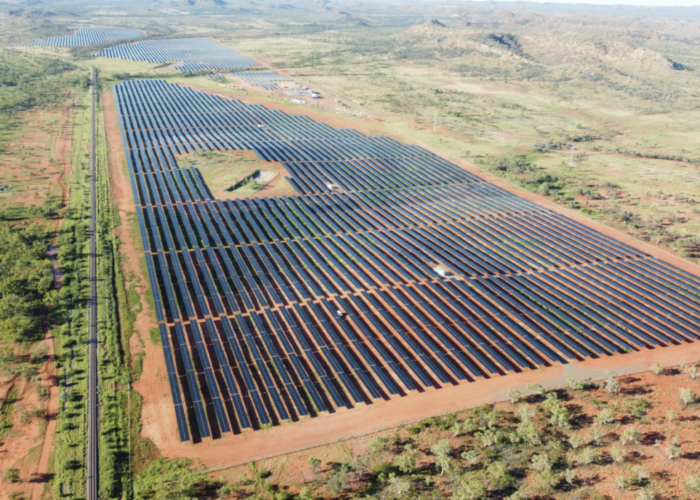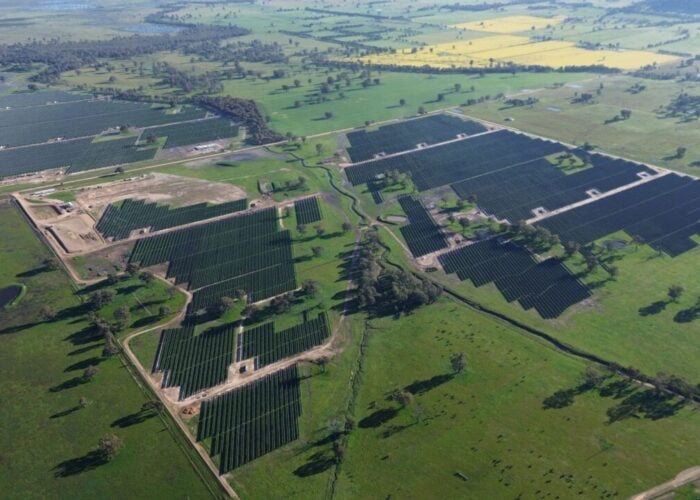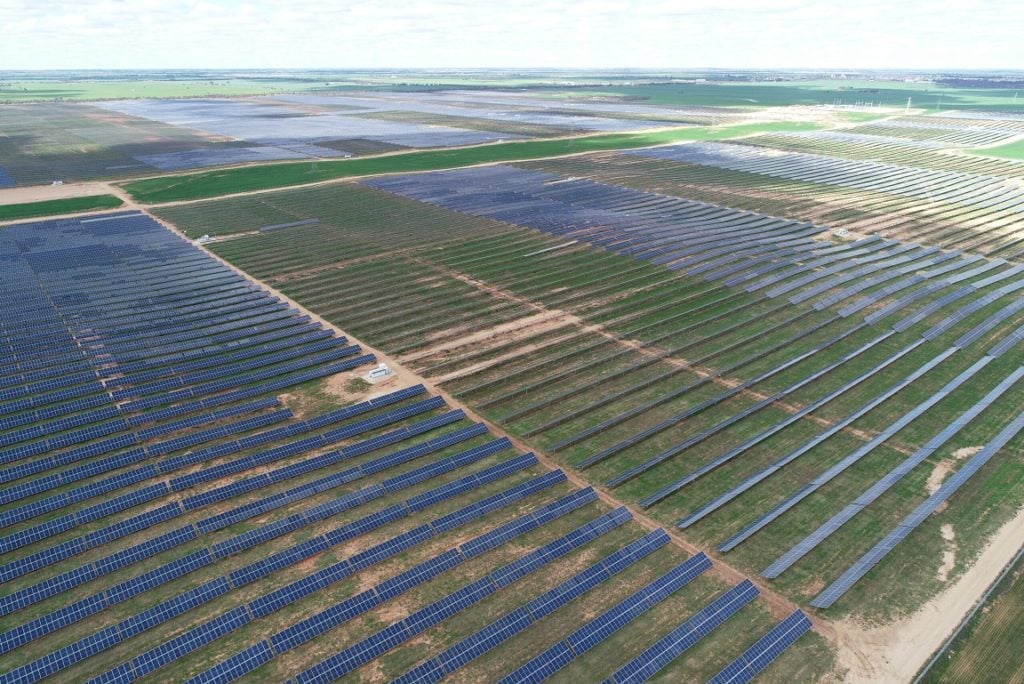
Plans for a green hydrogen hub in Australia that would feature 26GW of solar and wind have been rejected by the federal government due to the project’s environmental impacts.
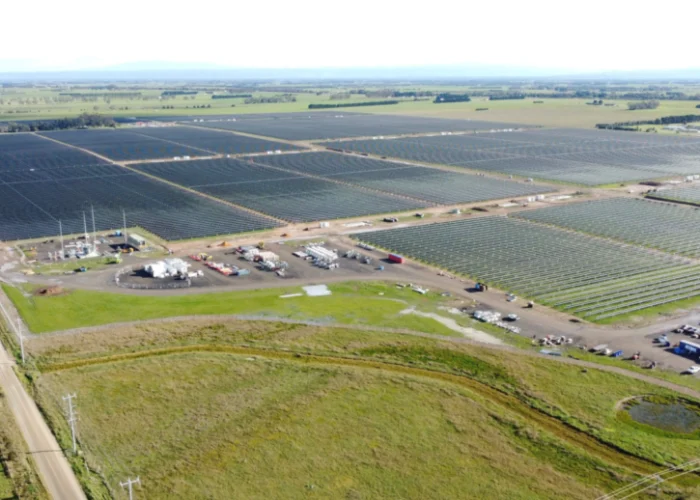
Set to be built on 6,500 square kilometres of land in the Pilbara region of Western Australia, the Asian Renewable Energy Hub (AREH) would primarily be used for the large-scale production of renewable hydrogen for domestic and export markets.
Try Premium for just $1
- Full premium access for the first month at only $1
- Converts to an annual rate after 30 days unless cancelled
- Cancel anytime during the trial period
Premium Benefits
- Expert industry analysis and interviews
- Digital access to PV Tech Power journal
- Exclusive event discounts
Or get the full Premium subscription right away
Or continue reading this article for free
However, in a decision published last week, Australian Environment Minister Sussan Ley ruled that the project “will have clearly unacceptable impacts” on wetlands and migratory bird species.
The ruling has been made despite Western Australia’s government granting environmental approval for the first 15GW stage of the hub and the country’s federal government awarding it major project status last October. Prior to that, Western Australia’s Environmental Protection Authority had given environmental approval provided the project meets conditions such as creating no-impact buffer zones and burying transmission lines to help preserve local biodiversity.
The final AREH project would have up to 23GW of solar and wind generation for the production of green hydrogen and green ammonia and at least 3GW of renewables capacity reserved for energy users in the Pilbara region. It is expected the facility would create 20,000 jobs during the ten-year construction period and 3,000 positions would be created for at least 50 years when it is operational.
The consortium behind the hub – which includes Intercontinental Energy, CWP Global, Pathway Investments (Macquarie) and Vestas – said in a statement that it is working to understand the federal environment ministry’s concerns as it works on the design and engineering aspects of the project. The consortium envisages financial close for its first export phase by 2025, with green hydrogen and green ammonia exports to commence soon afterwards.
The environment ministry’s decision has drawn criticism from shareholder advocacy group the Australasian Centre for Corporate Responsibility (ACCR), which said more should be done to support companies that are developing zero-emissions projects. “Once again, the federal government has demonstrated that it is unwilling to support projects that would accelerate the transition away from fossil fuels,” said Dan Gocher, ACCR director of climate and environment.
Meanwhile, the Clean Energy Council said it expects the federal government to collaborate with the AREH to provide the necessary guidance to appropriately assess and address any environmental impacts.
Recent months have seen plans for other green hydrogen hubs in Western Australia move forward, with Danish investment firm Copenhagen Infrastructure Partners announcing in November it would back the Murchison Renewable Hydrogen Project that will feature 5GW of solar and wind.
The state government earlier this year received dozens of expressions of interest to produce renewable hydrogen from a project in the Oakajee Strategic Industrial Area that could feature up to 1,250MW of solar, while independent power producer Total Eren recently signed a memorandum of understanding with an exploration company for the development of the HyEnergy Project in the Gascoyne region.