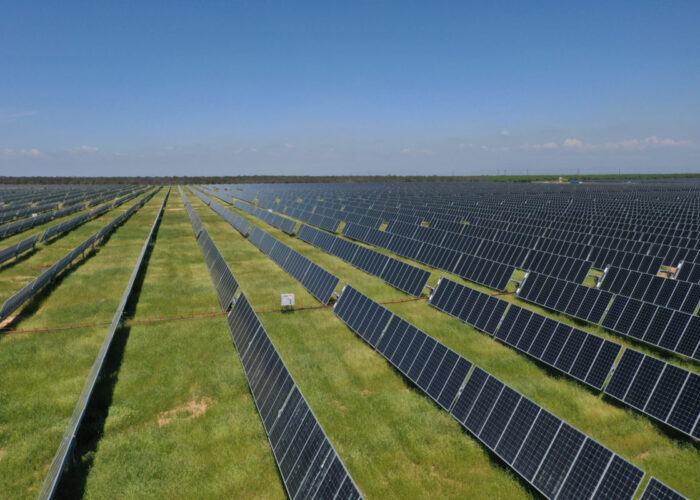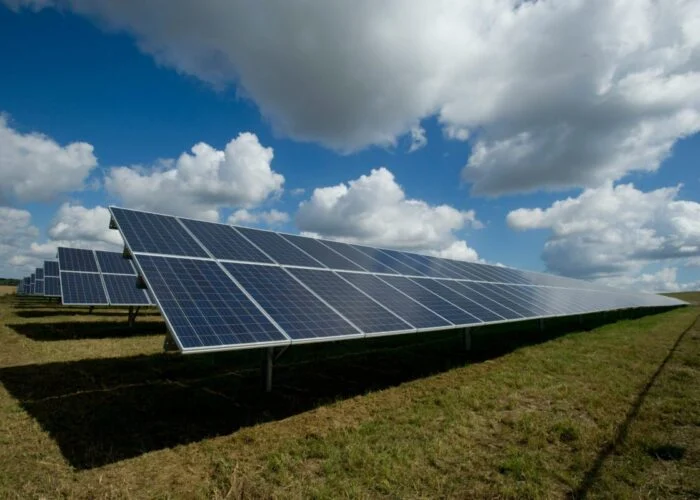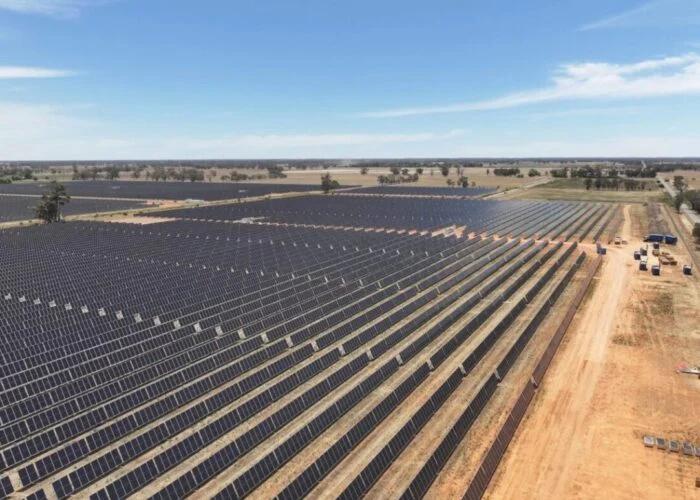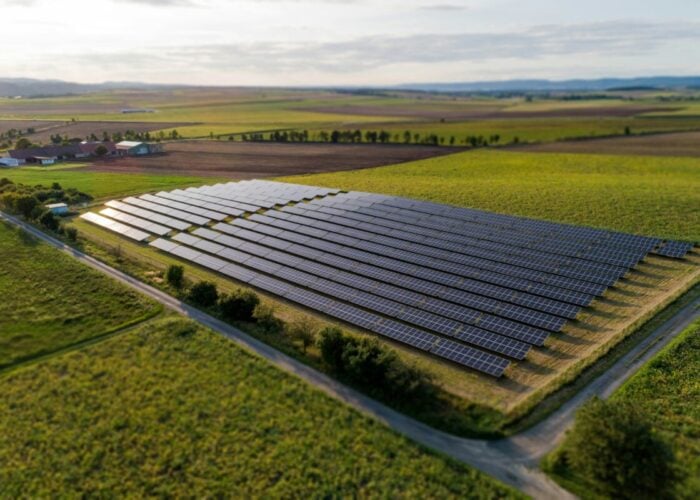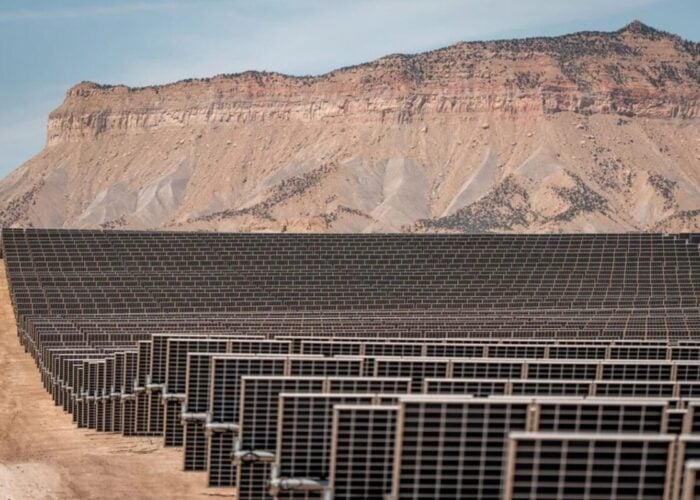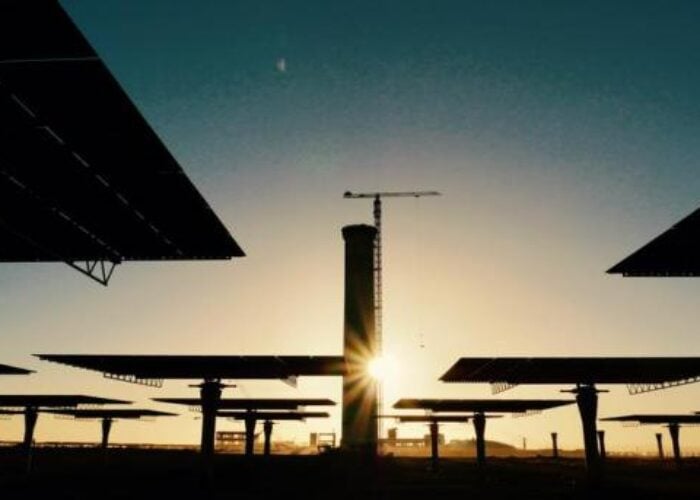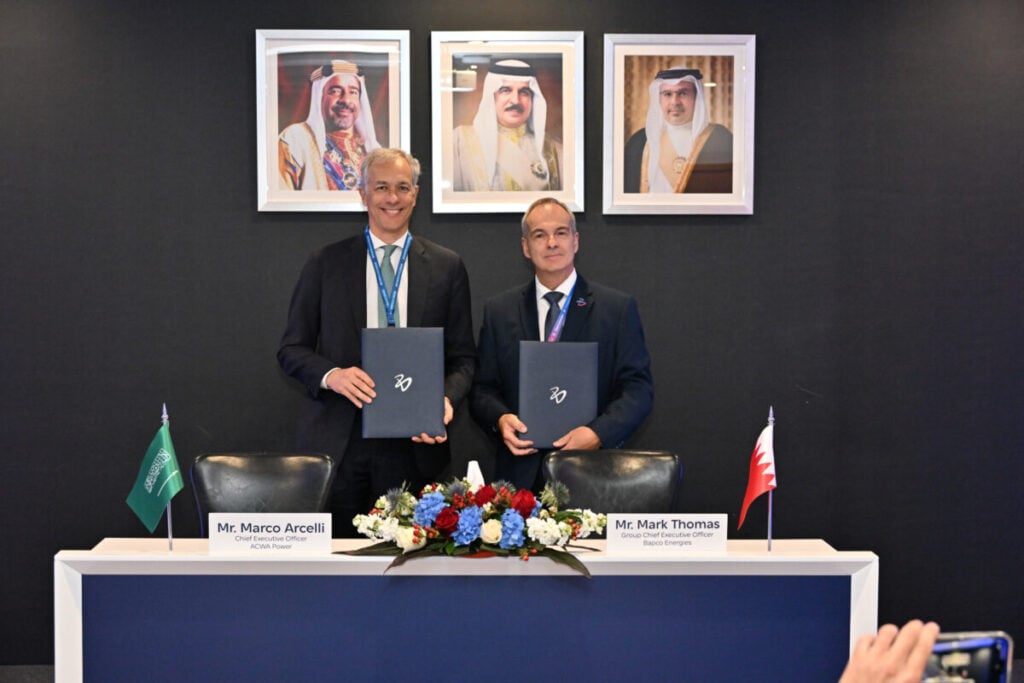
Saudi developer ACWA Power and Bahraini state-owned energy company Bapco Energies have signed a joint development agreement to build a 2.8GW solar plant in Saudi Arabia, to be co-located with a battery energy storage system (BESS).
The project will be built over “several phases”, according to ACWA Power, and power generated at the project will be transmitted to Bapco Energies. The companies did not provide further details on the technical specification of the project, or timelines for construction, but noted that it will be built in the country’s Eastern Province.
Try Premium for just $1
- Full premium access for the first month at only $1
- Converts to an annual rate after 30 days unless cancelled
- Cancel anytime during the trial period
Premium Benefits
- Expert industry analysis and interviews
- Digital access to PV Tech Power journal
- Exclusive event discounts
Or get the full Premium subscription right away
Or continue reading this article for free
“This joint agreement with Bapco Energies is a testament to the strong bilateral ties between Saudi Arabia and Bahrain and our shared commitment to a sustainable and secure energy future,” said Raad Al Saady, vice chairman and managing director of ACWA Power. The news follows the announcement of another large-scale solar project to be built in Saudi Arabia’s Eastern Province with international backers, the 2GW Al Sadawi project, suggesting considerable international interest in adding to the region’s solar sector.
ACWA Power has also started work at a number of other solar projects this year, most notably the Al Kahfah, the Ar Rass 2 and SAAD 2 projects, with a combined capacity of 2.7GW, which sourced modules and trackers from Chinese and Spanish companies, respectively.
While Bapco Energies CEO Mark Thomas said the new project will be an “important milestone” in the Bahrain National Energy Strategy—a plan to cut emissions by 30% by 2035 and reach net-zero emissions by 2060—the news comes just two days after Bapco Energies held a ceremony to celebrate the anniversary of the Bapco Modernisation Project.
Described by the company as “the largest energy investment in the history of the Kingdom of Bahrain,” this initiative increased daily oil production at the company’s sole oil refinery from 265,000 barrels per day to 380,000 barrels per day.