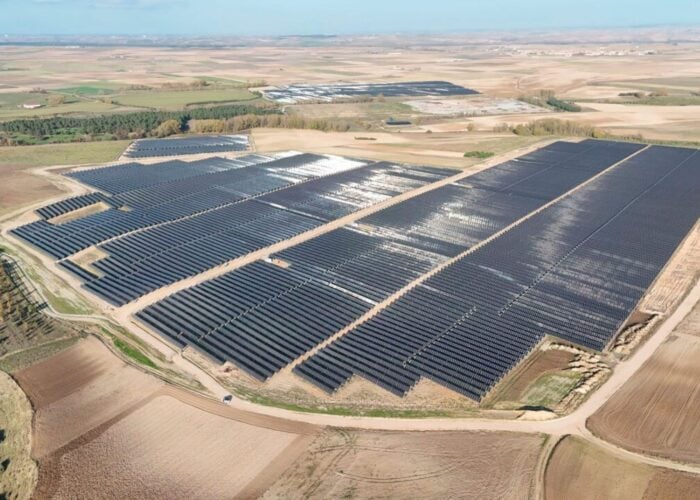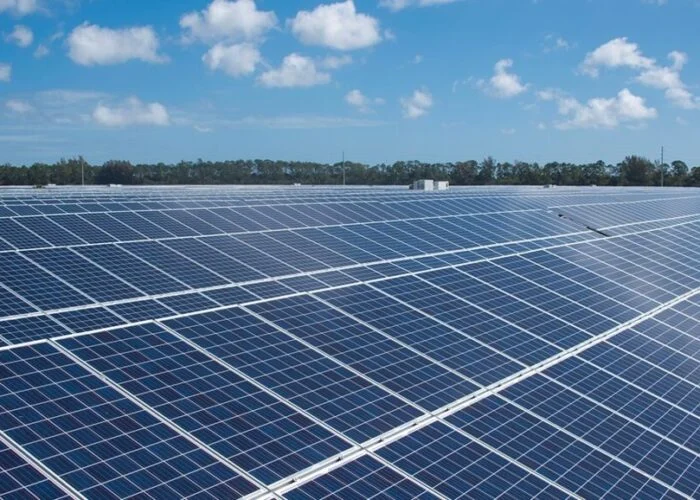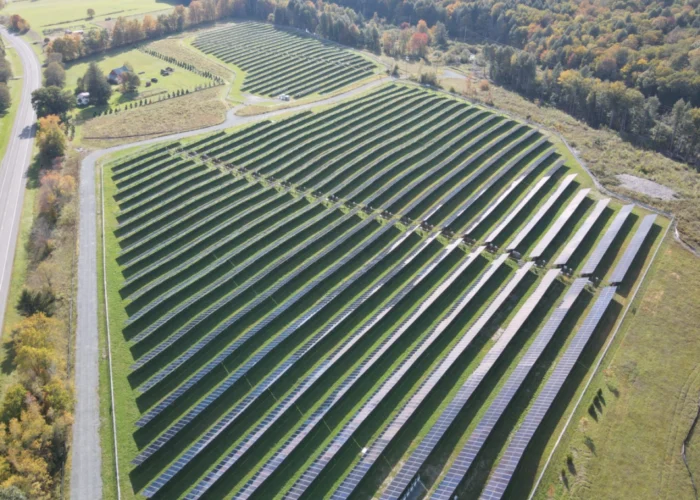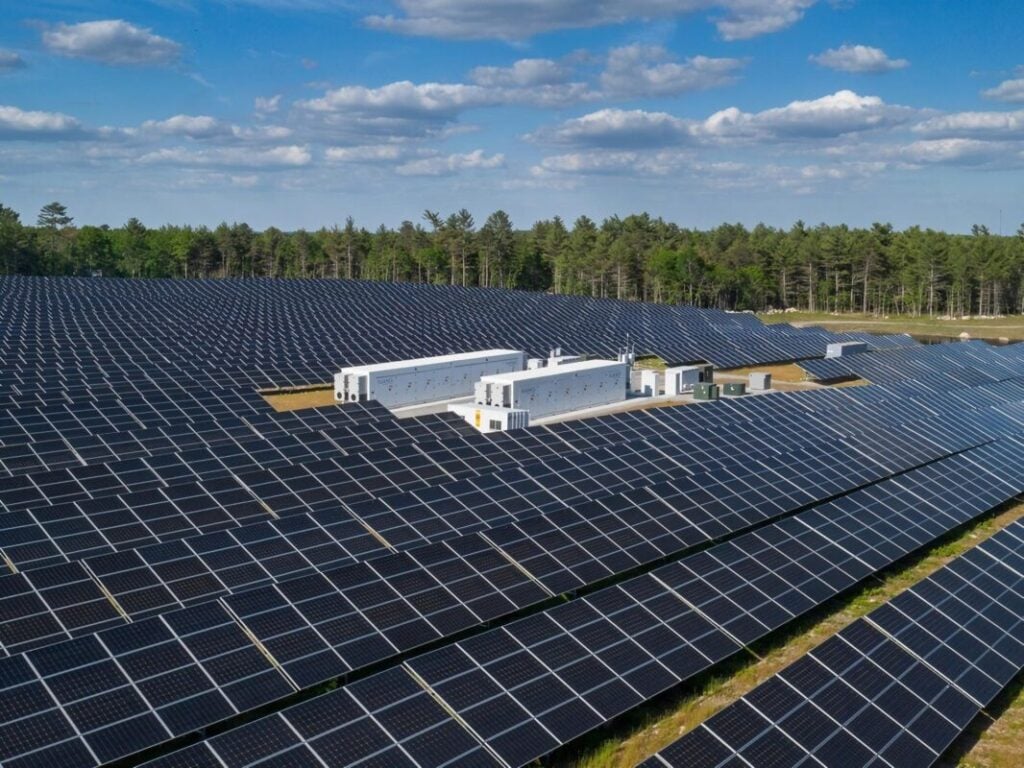
Developers are forecast to add a record 43.4GW of new utility-scale solar PV capacity to the US power system in 2026, a 60% year-on-year increase over 2025 and more than 12GW above 2024, the current record for capacity additions.
This is the latest prediction made by the US Energy Information Administration (EIA) as part of its monthly review of the US energy sector. The EIA expects a total of 86GW of new power generation capacity to come online in 2026, itself a record, and of which solar will account for 51%, the most of any technology type. This is followed by battery energy storage systems (BESS) with 28% (equivalent to 24.3GW), wind with 14% (11.8GW) and natural gas with 7% (6.3GW).
Try Premium for just $1
- Full premium access for the first month at only $1
- Converts to an annual rate after 30 days unless cancelled
- Cancel anytime during the trial period
Premium Benefits
- Expert industry analysis and interviews
- Digital access to PV Tech Power journal
- Exclusive event discounts
Or get the full Premium subscription right away
Or continue reading this article for free
Should these forecasts be realised, 2026 will be a rebound year for US solar. Between 2024 and 2025, the US’ annual solar capacity additions dropped, from a record 30.8GW to 27.2GW, and ultimately fell short of the 32.5GW of capacity that the EIA expected to be added.
Much of this slowdown has been attributed to the uncertain, or even hostile, policy environment regarding new renewable energy projects introduced during the second Trump administration, with the American Council on Renewable Energy (ACORE) estimating that “billions of dollars” of private investment in US renewables had been threatened by the policy uncertainty. With the business case for new solar developments much less certain in 2025 than during the years of the Biden administration and the Inflation Reduction Act (IRA), this translated to fewer projects coming online in 2025.
US to add record 24GW of BESS in 2026
However, the EIA’s forecasts for 2026 remain optimistic, expecting solar to account for more than half of new utility-scale energy generation capacity, as it expected in 2025. The association forecasts Texas to dominate new capacity additions, with 40% of new solar capacity to be located in the state, including Solar Proponent’s 837MW Tehuacana Creek 1 project, the largest in the country that is expected to come online in 2026.
California, meanwhile is expected to add just 6% of the new solar capacity in the coming year, meaning the gap between the US’ two largest solar sectors, by operational capacity, will grow even thinner; according to figures from the Solar Energy Industries Association (SEIA), California’s 54,304MW operational capacity – across all segments including residential solar, C&I and community solar – in the third quarter of 2025 was just a shade above the 48,272MW in operation in Texas.
The Tehuacana Creek 1 project is also set to be co-located with a 418MW BESS, and reflects the growing appetite for storage additions in the US renewable energy space.
The EIA expects a record of 24GW of utility-scale storage to be added this year, up from the 15GW added in 2025, which is a record; the fact that battery storage additions are expected to increase year-on-year, and were not hampered by the policy uncertainty of 2025 in the way that solar was, suggests that ensuring grid security has become one of the priorities for the US energy sector.
As is the case with the solar sector, Texas is expected to be home to the majority of this new capacity, with 53% of new BESS projects expected to come online in the state. This includes three of the largest four projects expected to begin operation in the country—the 631MW Lunis Creek project, the 600MW Clear Fork Creek project and the aforementioned 418MW Tehuacana Creek 1 project—with two of these projects, Clear Fork Creek and Tehuacana Creek 1, including solar and storage elements.
However, the co-location of solar and storage is not a silver bullet for energy supply and grid security issues. Speakers at this year’s Energy Storage Summit, held in London this week by PV Tech publisher Solar Media, described the addition of batteries to a solar project as an “overhyped” solution in Europe.
You can read all of our coverage from the event, including a rolling blog of each of the day’s top stories, on our sister site, Energy-Storage.news.