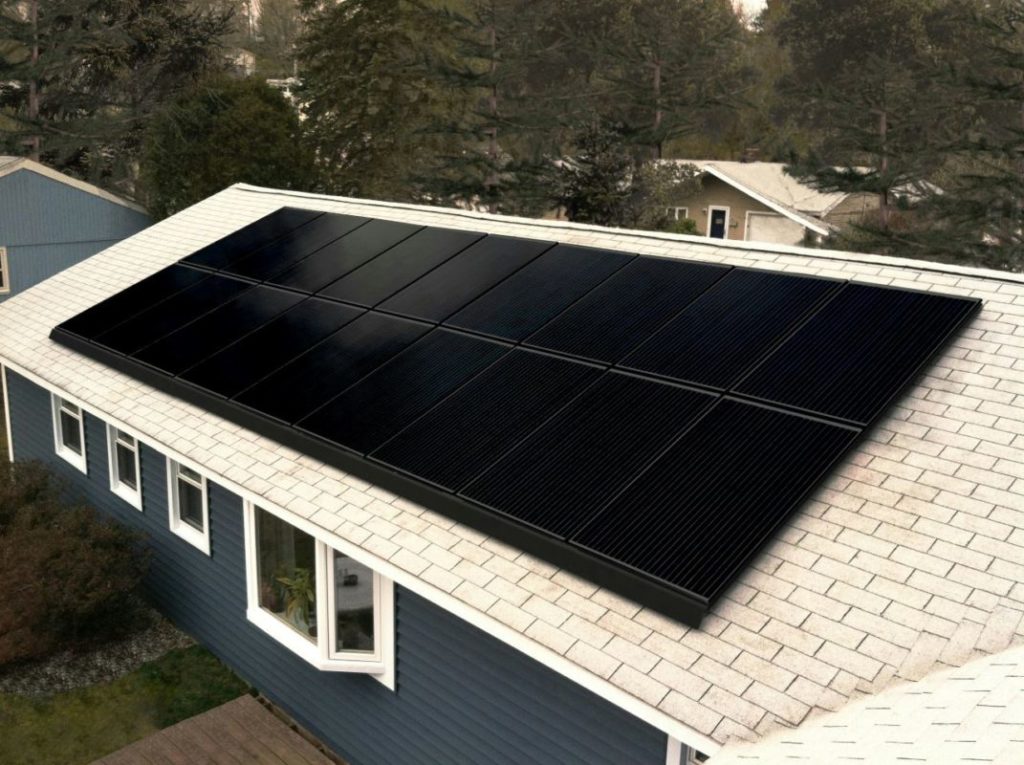
A group of non-profit organisations is petitioning California’s high court to review a recent decision that upheld the California Public Utilities Commission (CPUC) net energy metering 3.0 (NEM 3) policy for rooftop solar installations.
The Environmental Working Group (EWG) is asking the California Supreme Court to review a March decision in the appeals court to uphold the CPUC’s NEM 3 policy. It said that the policy was “sought” by California’s three major utilities; Pacific Gas & Electric, San Diego Gas & Electric and Southern California Edison and “threatens the future of clean energy in the state”.
Try Premium for just $1
- Full premium access for the first month at only $1
- Converts to an annual rate after 30 days unless cancelled
- Cancel anytime during the trial period
Premium Benefits
- Expert industry analysis and interviews
- Digital access to PV Tech Power journal
- Exclusive event discounts
Or get the full Premium subscription right away
Or continue reading this article for free
Along with fellow petitioners the Centre for Biological Diversity, and the Protect Our Communities Foundation, EWG said that in upholding the policy, the appeals court “gave too much deference to the commission’s decision-making, ignoring the California State Legislature’s clear directives,” as well as ignoring the “many benefits of small, distributed solar systems, which help lower costs and make energy more affordable for everyone.”
The reforms resulting in the NEM 3 policy were established in late 2022, reducing the repayment for excess rooftop solar energy generation in favour of demand-based rates and up-front payments designed to incentivise residential energy storage systems. The policy has been controversial since its inception, garnering criticism from various parts of California’s solar industry with allegations that it would disincentivise solar installations far more than it would encourage energy storage additions.
Much of the criticism has been levelled at California’s power utilities, who have been accused of backing the legislation change because rooftop solar poses a threat to their business models and hold on power prices.
The EWS claimed that the three major utility companies were “seeing rooftop solar as their main competition.”
EWG senior vice president for California, Bernadette Del Chiaro, said: “Many Californians struggle to pay their ever-increasing electricity bills, and the commission’s ill-conceived policy will only make matters worse. Putting clean, reliable rooftop solar financially out of reach for millions of renters and homeowners makes no sense.
“An affordability crisis is the time to promote efforts to reduce energy costs and save people money – not reward the monopoly utilities by throttling their competition.
“If the Supreme Court agrees to hear our case, we’ll make clear how the commission’s anti-solar policy fails on every front. It’s unlawful, undermines efforts to lower electricity bills and harms Californians and our environment.”
Del Chiaro was vocally critical of the changes to California’s NEM policy when she headed up the California Solar and Storage Association (CALSSA). Back in 2022, she told PV Tech Premium that the policy would “cut solar off at the knees”.
Earlier this month, she told us that the majority of solar projects being installed in California today are still legacy NEM 2.0 projects, locked in before the incentives changed. She said that 2026 could be a shock for the state’s installers, as the combination of expiring federal tax credits for rooftop PV and the end of the legacy NEM 2.0 pipeline could trigger a drastic market slowdown.