Chinese solar tracker producer Arctech Solar signed 3GW of supply deals at the SNEC conference in Shanghai, China, last week.
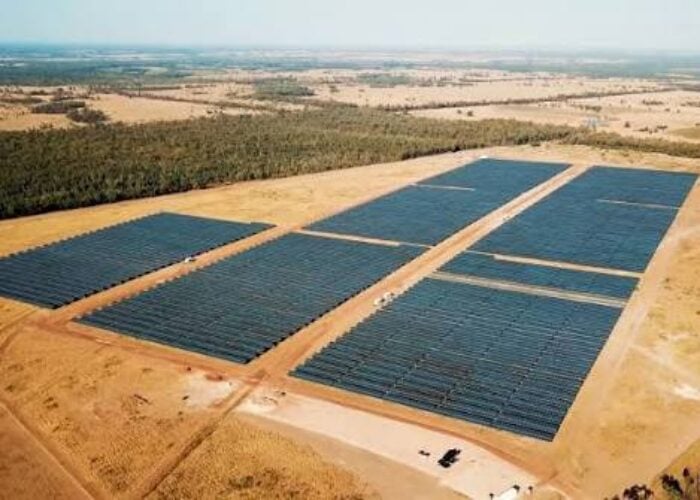
The largest deal Arctech signed was for an unspecified 2GW solar project in the Middle East, the company claimed, alongside another “GW-scale” supply agreement and a cooperation agreement for energy storage projects.
Try Premium for just $1
- Full premium access for the first month at only $1
- Converts to an annual rate after 30 days unless cancelled
- Cancel anytime during the trial period
Premium Benefits
- Expert industry analysis and interviews
- Digital access to PV Tech Power journal
- Exclusive event discounts
Or get the full Premium subscription right away
Or continue reading this article for free
There are numerous 2GW solar PV projects under development and construction in the Middle East, developed by some of the region’s largest players in Saudi Arabia, the UAE and other countries.
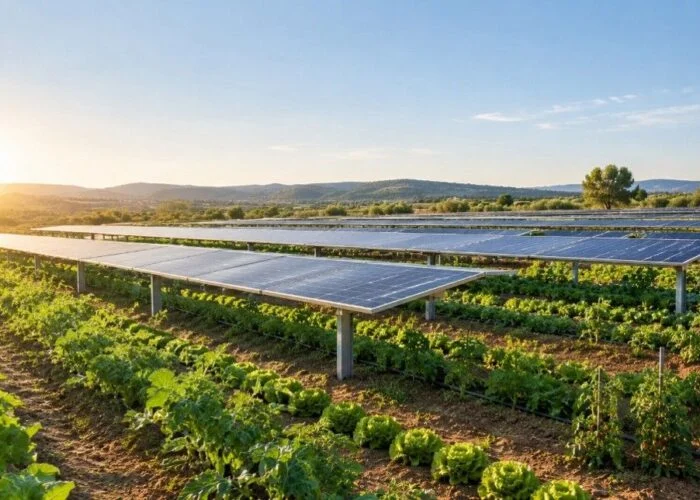
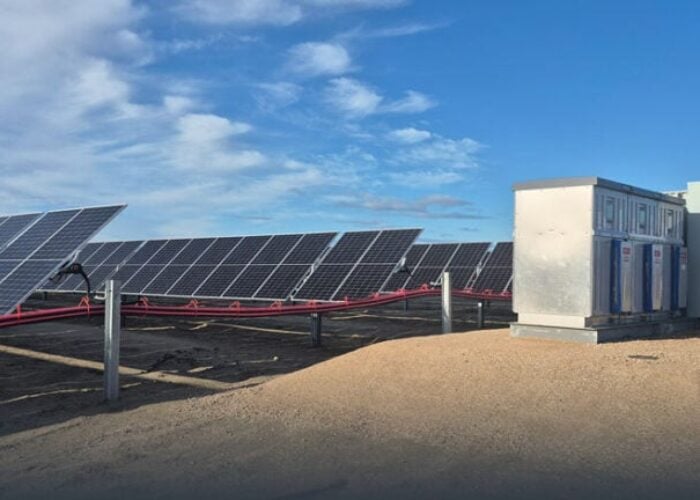
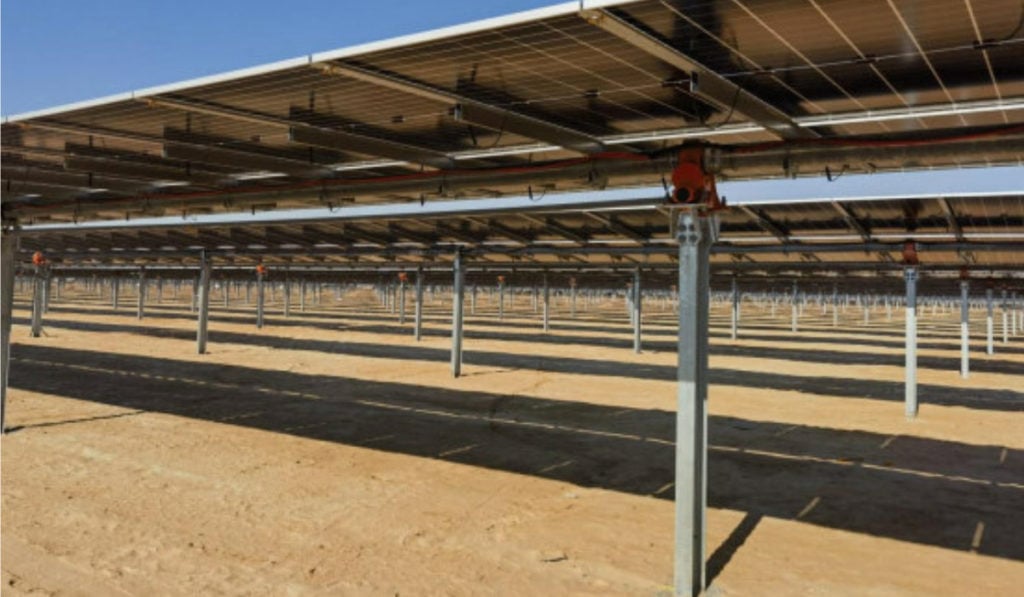
The company presented a range of “smart” and integrated tracker solutions at the SNEC show, notably its SkyLine II all-terrain tracker system, which it said was “engineered to turn challenging lands into high-value energy assets.” It said its products were suited to “varied scenarios from Gobi and sandy terrain, to agrivoltaics, aquavoltaics, and hilly landscapes.”
It also announced robotic cleaning, cable mounting, piling and installation products which it claimed “dramatically” reduce labour and installation costs. “These innovations mark a major step toward fully automated, full‑cycle solar plant construction, from piling to operations and maintenance,” the company said.
Arctech’s push towards integrated solutions beyond straightforward tracker production reflects a broader trend in the sector. The leading global tracker firms, including Nextpower (formerly Nextracker), GameChange Energy and Array Technologies as well as Arctech, have leaned heavily into diversification and either acquiring or developing products to cover the entire solar array.
This has included diversifying construction processes – like acquiring piling, foundation or eBOS operations – and growing robotic and automation. In March, PV Tech Premium spoke with PV robotics firm Maximo about the growth of automated construction and installation at utility-scale solar projects.
Arctech Solar recorded dramatic financial losses in 2025, falling from a net profit of RMB632 million (US$93.4 million) in 2024 to a net loss of RMB10 million (US$1.4 million) in 2025. It said this was caused by fluctuations in solar module prices over the year, which affected downstream product development and subsequently impacted its tracker deliveries. It also blamed global macroeconomic challenges and the changing exchange rate from the US dollar to the Chinese Yuan.