A US court has upheld a Federal Energy Regulatory Commission (FERC) plan to speed up the permitting process for connecting energy projects to the grid.
FERC Order No. 2023 was challenged in the DC Circuit Court of Appeals by several grid operators and utilities. However, on Friday 31 July, the court upheld the order.
Try Premium for just $1
- Full premium access for the first month at only $1
- Converts to an annual rate after 30 days unless cancelled
- Cancel anytime during the trial period
Premium Benefits
- Expert industry analysis and interviews
- Digital access to PV Tech Power journal
- Exclusive event discounts
Or get the full Premium subscription right away
Or continue reading this article for free
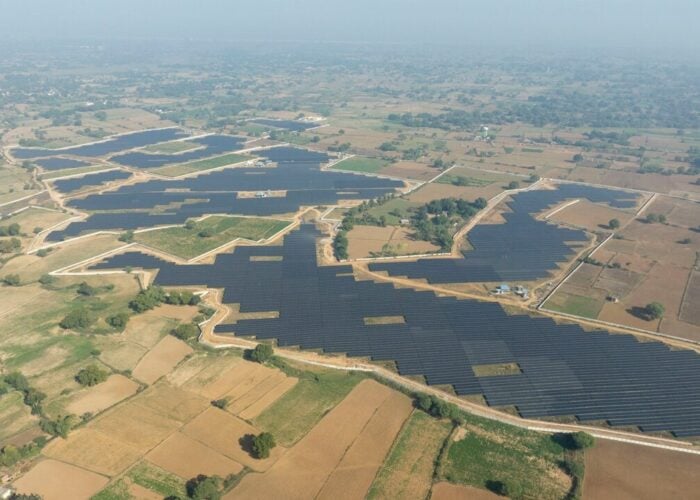
The order was introduced in 2023 and sought to address the huge interconnection queue backlog of projects waiting to connect to US power grids, almost all of which were solar PV, wind power and energy storage projects. Data shows that there was around 2,600GW of energy project capacity in US interconnection queues at the end of 2023.
It proposes replacing the first-come, first-served system with a requirement for operators to assess projects in clusters and award connection places based on readiness, along with greater transparency and survey requirements. It also raises the financial and other commitments that generators must make to enter and remain in the queue.
“This is a win for ratepayers, competition, and the environment. It will help speed interconnection processes and unlock cheaper, cleaner energy that has been waiting years to connect to the grid,” said Alexander Tom, attorney for Earthjustice who argued the case before the DC Circuit Court of Appeals.
The grid operators and utilities that opposed the order said that fines for late interconnection studies were too steep and overstepped FERC’s legal bounds, arguing that the regulator had not successfully proven that the interconnection delays were the fault of grid operators. The court’s three-judge panel disagreed.
Reacting to the decision, Justin Vickers, senior attorney of the Sierra Club, said: “We are celebrating today’s court ruling as a boon to getting low-cost clean energy online. Despite relentless attacks from the administration and their fossil fuel executive allies, the courts have upheld a meaningful reform to address longstanding imbalances in delayed and lengthy generation study processes.
“This win will give Americans access to more reliable, affordable, clean energy, which continues to outperform fossil fuels in both cost and reliability.”
Since the initial order was proposed in 2023, projected US power demand has increased as a result of AI data centre expansion and greater electrification. A better interconnection queue process could force operators to meet growing demand more effectively, and with the backlog of renewable energy projects that have been stranded in queues.
“Since the order was issued three years ago, the need to unlock that abundant power has grown even more pressing. Cleaner, cheaper resources can help combat the worsening climate crisis, curb skyrocketing electricity prices, and maintain reliability. Today’s ruling affirms FERC’s reforms and holds grid operators and utilities responsible for connecting new energy projects faster,” Tom added.