The Australian government’s green bank Clean Energy Finance Corporation (CEFC) increased its renewable energy investment to a record of AU$1.2 billion (US$770 million) in the 2022-23 financial year.
According to its latest investment update, the CEFC significantly increased renewable energy investment. In the 2021-22 financial year, it spent AU$715.7 million on renewable energy, but increased that by 68% to AU$1.2 billion in the 2022-23 financial year.
Try Premium for just $1
- Full premium access for the first month at only $1
- Converts to an annual rate after 30 days unless cancelled
- Cancel anytime during the trial period
Premium Benefits
- Expert industry analysis and interviews
- Digital access to PV Tech Power journal
- Exclusive event discounts
Or get the full Premium subscription right away
Or continue reading this article for free
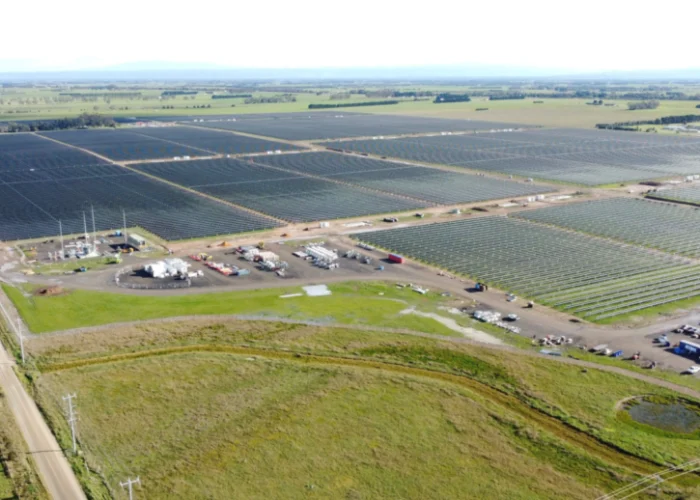
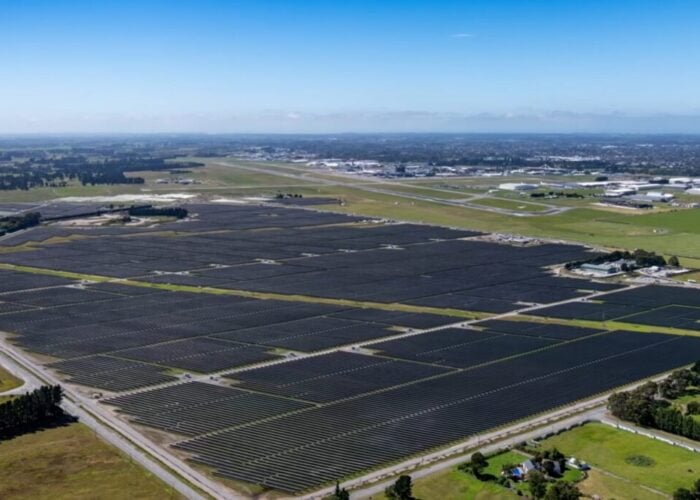
CEFC announced that it had brought forward 14 large-scale solar, wind and storage projects with a total transaction value of AU$5.7 billion in the 12 months to 30 June 2023.
“Investment of this scale is critical to our national goal of reaching 82% renewables by 2030. With Australia’s renewables sector responding to complex global economic and supply chain pressures, we have confirmed our important role in using our capital to fill market gaps in the face of a difficult market for investors and developers,” said Ian Learmonth, CEO of CEFC.
The CEFC also completed 30 new and 20 follow-on transactions in the 12 months to 30 June 2023, committing an additional AU$1.9 billion to transactions with a total value of AU$11.7 billion.
However, the Australian renewables market is still facing multiple challenges. Learmonth said supply chain shortages and grid constraints for the renewables sector were the major issues in the 2022-23 year, with capital expenditure (CapEx), interest rates and foreign exchange being other challenges.
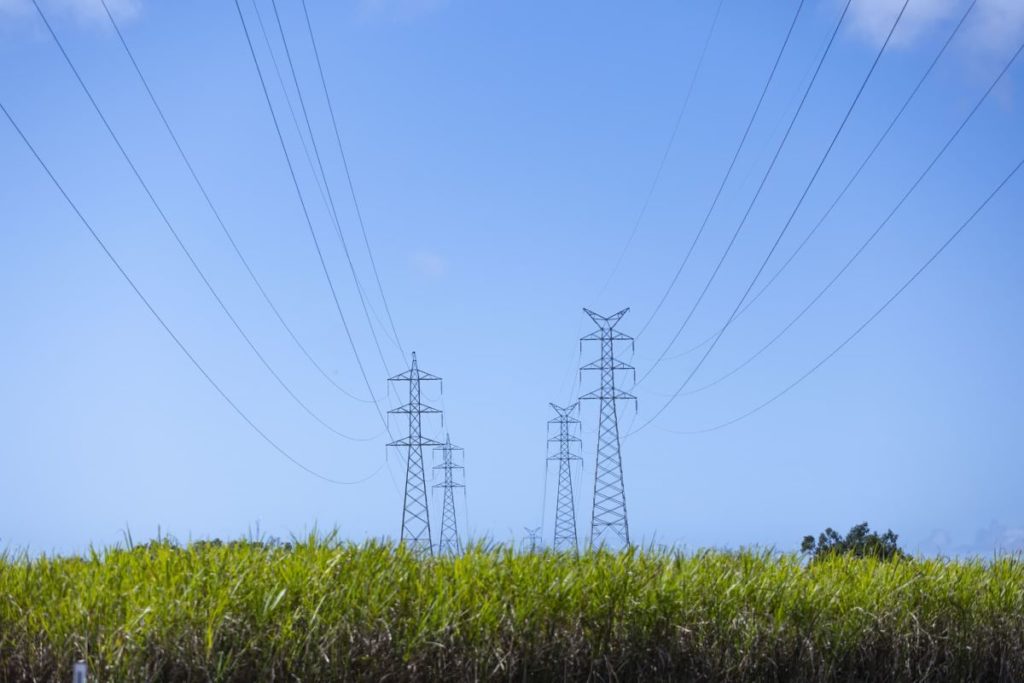
The CEFC’s role was also expanded last year to include a specific reference “to facilitate the achievement of Australia’s greenhouse gas emissions reduction targets”. Additionally, the Australian government also approved an additional AU$20.5 billion capital allocation to the CEFC, including AU$19 billion to transform the Australian energy transmission grid through Rewiring the Nation, and AU$1 billion to help households reshape their energy use.
The remaining AU$500 million will be used to back the ongoing growth and development of projects and companies in the climate tech sector.
Australia has been increasing its renewables capacity. In 2022, the renewable energy industry accounted for 35.9% of Australia’s total electricity generation, up from 32.5% in 2021, according to CEC’s Clean Energy Australia Report 2023. Also, the total capacity of medium-scale solar projects in 2022 was 674MW, up from 646MW in 2021. There were 12 large-scale solar projects commissioned in 2022 with a cumulative capacity of about 840MW.