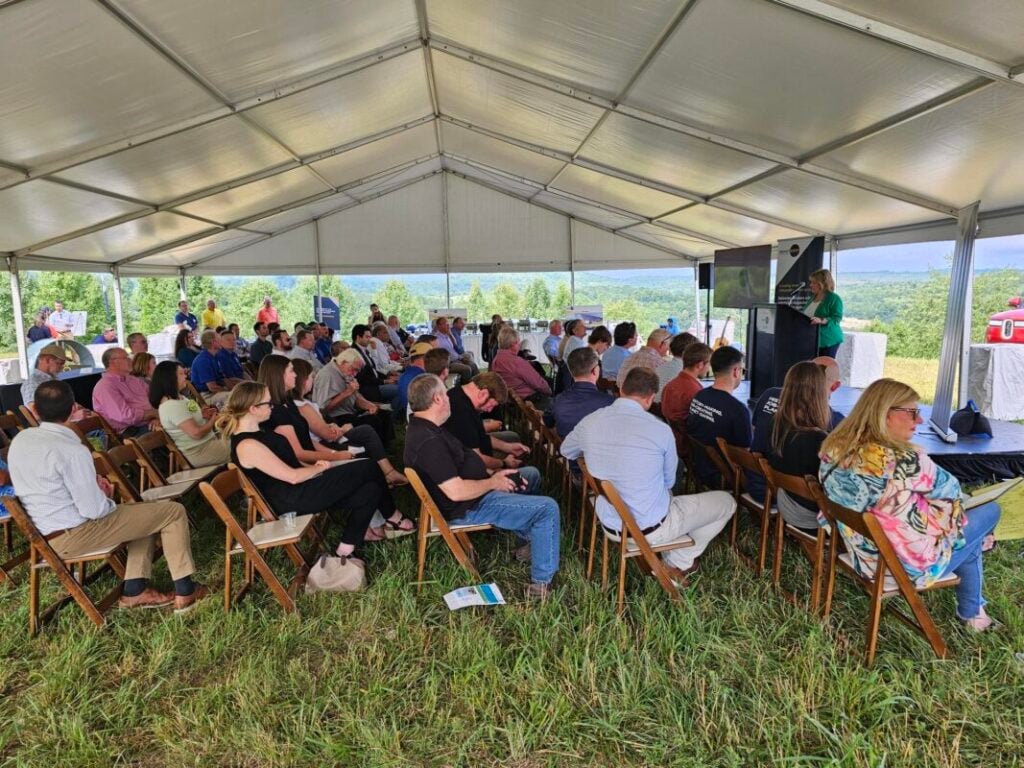
Tom Kenning reports on US developer BrightNight making community engagement central to its plans for a 201MW PV project in a former mining area, in the fifth and final of this week’s PV Tech Premium stories on community engagement in solar.
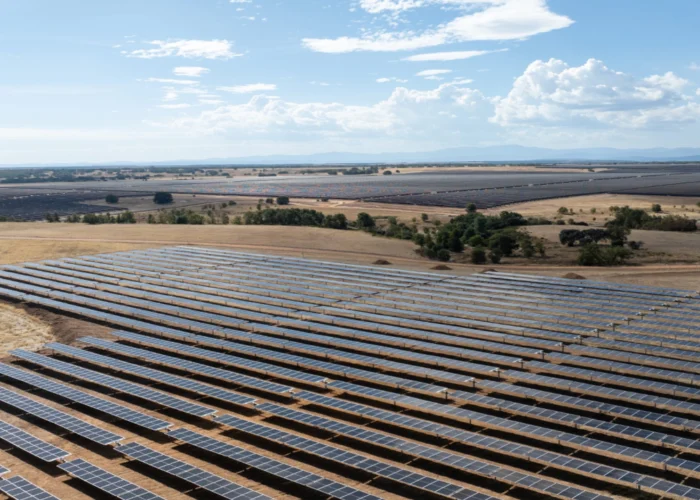
BrightNight, a Florida-based developer, is making social impact central to the energy transition with its Starfire Solar Project in Kentucky. Currently in the permitting stage, the project will be built on a former coal mine site, driving both environmental change and socio-economic revival in a region hit by job losses.
Try Premium for just $1
- Full premium access for the first month at only $1
- Converts to an annual rate after 30 days unless cancelled
- Cancel anytime during the trial period
Premium Benefits
- Expert industry analysis and interviews
- Digital access to PV Tech Power journal
- Exclusive event discounts
Or get the full Premium subscription right away
Or continue reading this article for free
Unlike many large-scale solar developments that engage local communities only after land acquisition, BrightNight’s practice is to engage communities well before securing the land, says Ron Kiecana, BrightNight’s chief development officer. This early engagement allows the firm to understand the local priorities, address potential concerns and build trust before the project even begins.
The Starfire project spans three counties – Perry, Knott and Breathitt – each with distinct community dynamics. “We spent a lot of time in all three of those counties really trying to understand what’s important to those communities,” says Kiecana.
Economic revitalisation and job creation
With an estimated investment of over US$500 million, the solar farm is expected to be one of the largest private investments in the region’s history. This huge economic impact has garnered strong local support, especially with employment opportunities for former coal industry workers.
“A lot of the people who will end up constructing the project are people who possibly worked on the mine previously and are local to the community,” adds David Gil, executive vice president at BrightNight.
This commitment to local job creation further strengthens the community’s connection to the project and makes it more valuable locally than simply being part of the wider national energy transition.
Solar developments sometimes face opposition due to land use concerns, particularly in agricultural regions, but a major selling point of Starfire is its brownfield, coal-to-solar transformation. It’s a
“win-win for everybody involved”, says Gil.
“We’re not looking at using unused forest land or agricultural land,” he adds. “This is a site that has been mountain-top mined and we’re reusing it for solar.”
BrightNight is also working with The Nature Conservancy (TNC), a buyer of clean energy credits from the project, to build wildlife corridors within the project while incorporating pollinators and possibly sheep. TNC aims to work with projects that prioritise what it calls the three C’s: climate, conservation and community, hence the good fit with BrightNight.
Lessons for other PV developers
BrightNight’s approach to community engagement may offer valuable lessons for other solar PV developers. First and foremost, early and frequent communication is essential.
“The earlier you start talking to the community, the better,” says Gil. “It’s not just the landowners you’re trying to sign up – it’s the neighbours, local stakeholders, county officials and city officials.”
Second, a well-prepared engagement strategy is crucial. BrightNight employs a comprehensive “community engagement toolbox” that includes project information sheets, FAQs and messaging strategies tailored to the specific concerns of each region.
“It’s about informing the community, developing trust and providing them with up-to-date and accurate information,” Kiecana explains.
The company also trains its developers and land agents to ask the right questions, understand any biases or needs and identify who the local stakeholders and influencers are. Public meetings are also held to help the company adjust the community engagement plan to align with residents’ needs.
Finally, adaptability is key. Community priorities vary widely by region. While some areas may respond positively to environmental benefits, others may be less enamoured with green messaging and will respond more favourably to a focus on job creation or economic impact.
“People don’t want the benefits just to go to the big landowners,” adds Gil. “The jobs and the economic impact are always a big part of the community message and the project has to be a collaboration with the community and with the landowners.”
The Starfire Solar Project demonstrates how large-scale renewable energy developments can successfully integrate with local communities through transparency, economic opportunity and environmental responsibility.
As standard practice across its other recent projects, BrightNight provides funding for the local education system, college training and university programmes, whilst also making contributions to the local hospitals.
‘Purpose-Driven Toolkit’
As a spin-off from Starfire, the two key off-takers, EV manufacturer Rivian and global nonprofit TNC have developed an open-source toolkit online, including sample tender documents and guidance to help steer other off-takers towards a purpose-driven procurement process.
The ‘Purpose-Driven Toolkit’ also offers a scoring matrix to help procurers identify proposals that best fit the 3C framework, which is based on climate, conservation and communities. Widespread adoption would help connect these values to the heart of clean energy procurement, which could ultimately help boost solar energy’s reputation and level of acceptance.