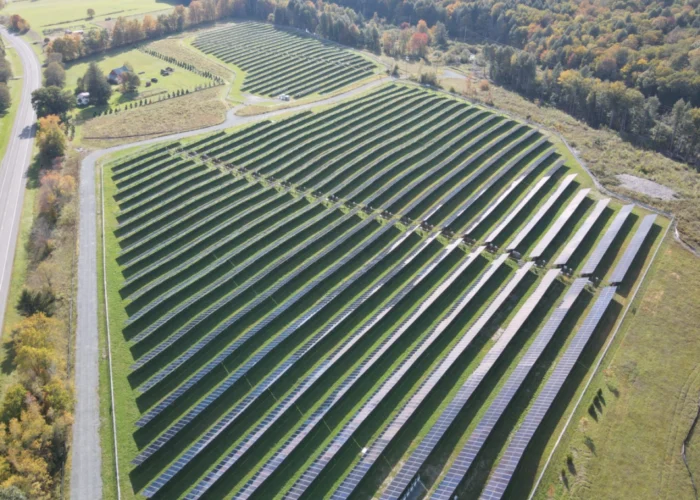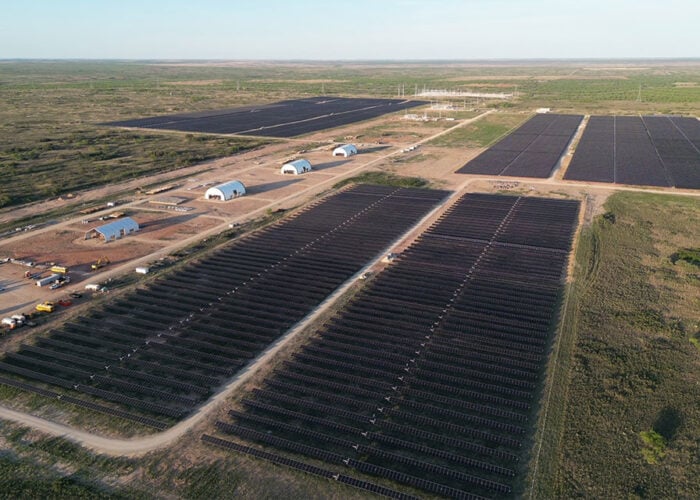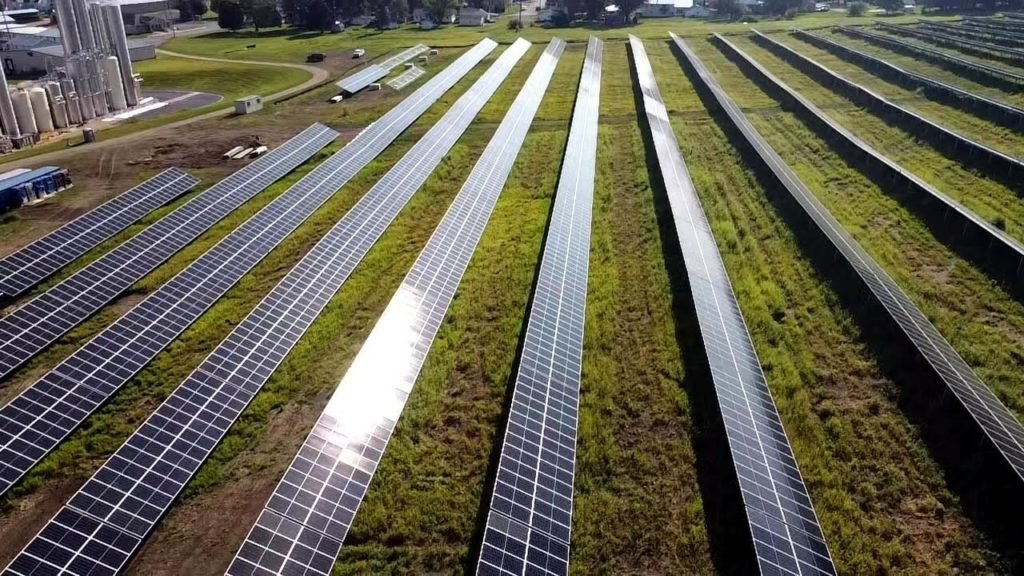
Community solar has expanded access to solar adoption to communities struggling to adopt rooftop PV, according to research from the Lawrence Berkeley Lab (LBL) and the National Renewable Energy Lab (NREL).
The research, Evaluating community solar as a measure to promote equitable clean energy access, which was published in the Nature Energy journal, found that community solar extended solar adoption to communities that would have otherwise not been able to adopt rooftop solar. This is based on a sample of 11 states, including community solar leaders such as New York, Minnesota or Massachusetts among others.
Try Premium for just $1
- Full premium access for the first month at only $1
- Converts to an annual rate after 30 days unless cancelled
- Cancel anytime during the trial period
Premium Benefits
- Expert industry analysis and interviews
- Digital access to PV Tech Power journal
- Exclusive event discounts
Or get the full Premium subscription right away
Or continue reading this article for free
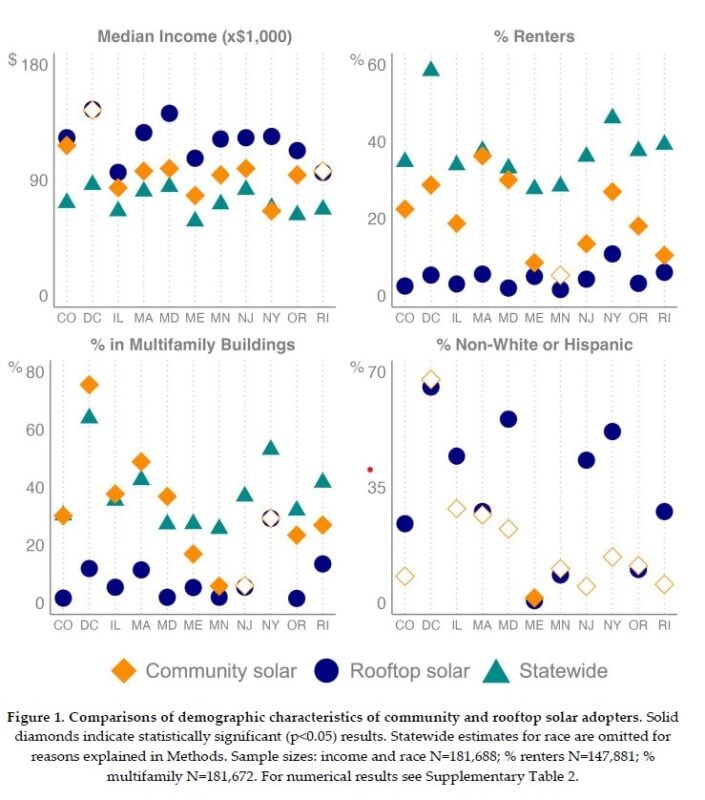
The data suggests that community solar adopters are about 6.1 times more likely to live in multifamily buildings than rooftop solar adopters, 4.4 times more likely to rent, and earn about 23% less.
Even though community solar does give broader access to solar PV than rooftop solar, community solar adopters still tend to earn more than the broader population and are less likely to rent and live in multifamily housing, due to the economic incentives from community solar providers.
Regarding the study, Molly Knoll, VP of policy at the Coalition for Community Solar Access (CCSA), said: “This reaffirms what we have known to be true for years — community solar is one of the best ways to increase equity in our energy system.”
The research suggests that policymakers could expand solar access by creating a basic infrastructure for community solar, such as a virtual net metering.
Moreover, including equity measures with targeted measures for low—and medium-income (LMI) households can increase adoption and access to solar PV and its benefits. This is not the case when regarding race, as community solar seems to not have, so far, expanded access to solar based on race.
“This study is important confirmation of one of the values community solar can bring to the electric grid and the tireless work our broad and diverse coalitions are doing to bring community solar to every state in the country,” added Knoll.
Community solar’s potential
This paper was published months after NREL released a report estimating the potential for 1TW community solar capacity to be installed in the US. The report envisioned two different scenarios depending on the limitations for the deployment of community solar, however, in both cases rooftop solar would play an important role with nearly 400GW of capacity.
As the report was released in February, the Department of Energy’s principal deputy assistant secretary, Jeff Marootian, called for the solar industry to treble the installed capacity of community solar to 20GW by 2025, up from 7GW currently.
The community solar market is set to add 7.6GW of capacity between 2024 and 2028, despite a recent decision in California, the leading US state for solar PV, which is expected to limit the deployment of community solar there.
CPUC final decision
On Thursday 30 May, the California Public Utilities Commission (CPUC) voted 3-1 against the Net Value Billing Tariff (NVBT) proposed by the CCSA and backed by a broad solar coalition, which included environmental justice groups, ratepayer advocates, labour, and the building industry association.
This plan was expected to bring an estimated 8GW of community solar capacity to the state of California.
Instead, the CPUC ordered utilities – Pacific Gas & Electric, San Diego Gas & Electric, and Southern California Edison – to restructure and expand existing community solar programmes such as the Disadvantaged Community Green Tariff Program and the Green Tariff Program.
The first would add 60MW of solar PV capacity, bringing its total to 144MW, with subsidies to participants while the Green Tariff Program is available to both commercial and residential customers.
Derek Chernow, Western regional director at the CCSA, regarding the CPUC’s final vote on California’s community solar programme, said:
“By accepting the utilities’ proposal, the Commission has chosen to double down on failed programs that have not — and will not — establish a viable community solar market that would provide affordable energy to Californians that need relief the most.
“It’s also further evidence that California’s utilities are doing everything they can to stifle distributed energy generation in order to tighten their grip on the state’s electricity grid.”