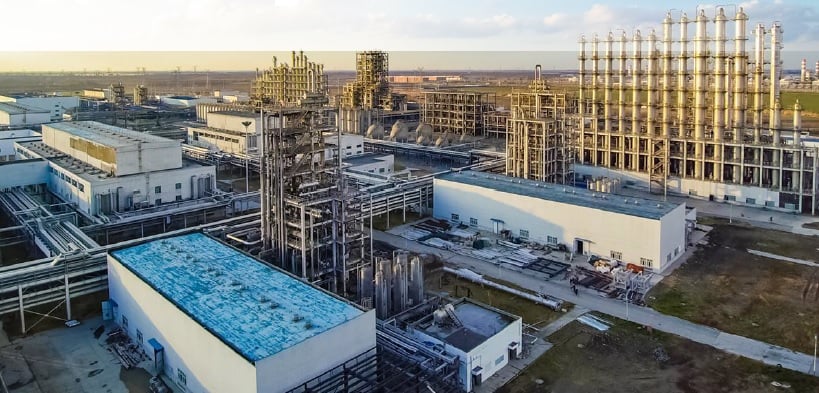
A subsidiary of polysilicon producer Daqo New Energy is forecasting net profit during the first half of 2022 to be more than four times higher than the same period last year.
Xinjiang Daqo New Energy estimates that its net profit attributable to shareholders in H1 2022 will be in the range of RMB9.4 – 9.6 billion (US$1.4 – 1.43 billion), representing an increase of up to 344% on the RMB2.16 billion net profit it recorded in H1 2021.
Try Premium for just $1
- Full premium access for the first month at only $1
- Converts to an annual rate after 30 days unless cancelled
- Cancel anytime during the trial period
Premium Benefits
- Expert industry analysis and interviews
- Digital access to PV Tech Power journal
- Exclusive event discounts
Or get the full Premium subscription right away
Or continue reading this article for free
Polysilicon prices have grown by around 14% since the beginning of May. Last week’s average polysilicon strike price jumped 4% sequentially to RMB287/kg (US$42.81/kg, inclusive of China’s 13% sales tax), according to data provided by industry analysts PVInfoLink and Energy Trend.
Xinjiang Daqo meanwhile announced last week it completed a private offering on the Shanghai Stock Exchange that generated gross proceeds of RMB11 billion (US$1.64 billion). The company previously said it would use proceeds to support a polysilicon expansion project in China’s Inner Mongolia region.
Daqo New Energy’s gross profit reached US$813.6 million during Q1 2022 as its polysilicon sales volumes jumped more than threefold on the prior quarter and it benefited from a fall in production costs.