Once upon a time, it was relatively easy to verify a PV module manufacturer’s shipment claims and therefore any market share gains or shipment milestone claims as the majority of leading companies were public listed entities.
That has changed in the last year or so as REC group was acquired and went private as well as Trina Solar delisting from the NYSE, while Hanwha Q CELLS stopped providing shipment and regional split figures in its quarterly financial statements and recently SolarWorld went bankrupt then rescued but as a consequence was delisted from the Frankfurt stock exchange.
Try Premium for just $1
- Full premium access for the first month at only $1
- Converts to an annual rate after 30 days unless cancelled
- Cancel anytime during the trial period
Premium Benefits
- Expert industry analysis and interviews
- Digital access to PV Tech Power journal
- Exclusive event discounts
Or get the full Premium subscription right away
Or continue reading this article for free
All of a sudden it seems around 15GW of module capacity from these companies, all within the top 20 producer rankings, went dark.
I guess that would be fine if those shipments remained dark but several companies mentioned above have decided to tout shipment milestones or regional market share leadership, despite the impossible task of verifying these claims.
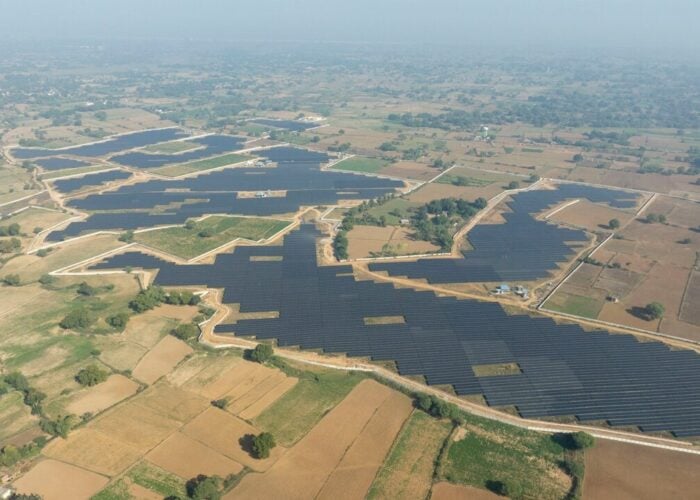
Having once been the largest PV module manufacturer, ‘Silicon Module Super League’ (SMSL) member, Trina Solar has announced that it has achieved cumulative module shipments of 3GW to India in the period, 2010 to 2017.
The company is also claiming that this milestone confirmed its “position as the leading PV module manufacturer and supplier in the country with over 25% market share to date.”
Even when Trina Solar was a public company it did not breakout shipments to India, which had previously been assigned to its ROA (Rest of Asia) category. The company did not provide a third-party confirmation from a market research firm.
Only last week, SMSL member Hanwha Q CELLS touted during SPI 2017 that it had become the largest module supplier to South Korea, Turkey and the US in 2016, while touting it was the second largest supplier to India.
Hanwha Q CELLS also mention that it was ranked second in Japan in 2016, having shipped 700MW to the country, accounting to a 10% market share. Again, the company did not provide third-party confirmations from a market research firm(s) to back-up the claims.
REC Group has also just claimed to be “the largest European panel manufacturer in India.” Although all cell and module production is in Singapore, REC does not breakout India seperately in its quarterly report and put India in its APAC category. Unlike others such as Trina Solar, the company provides a non-financial quarterly report but again not third-party verification was used.
With these companies above having gone dark on shipments for whatever reason, providing third-party validation is a must before market share and milestones can be treated with respect instead of hype.