European Union (EU) countries will introduce a revenue cap on operational solar PV plants as part of a package of emergency measures approved today.
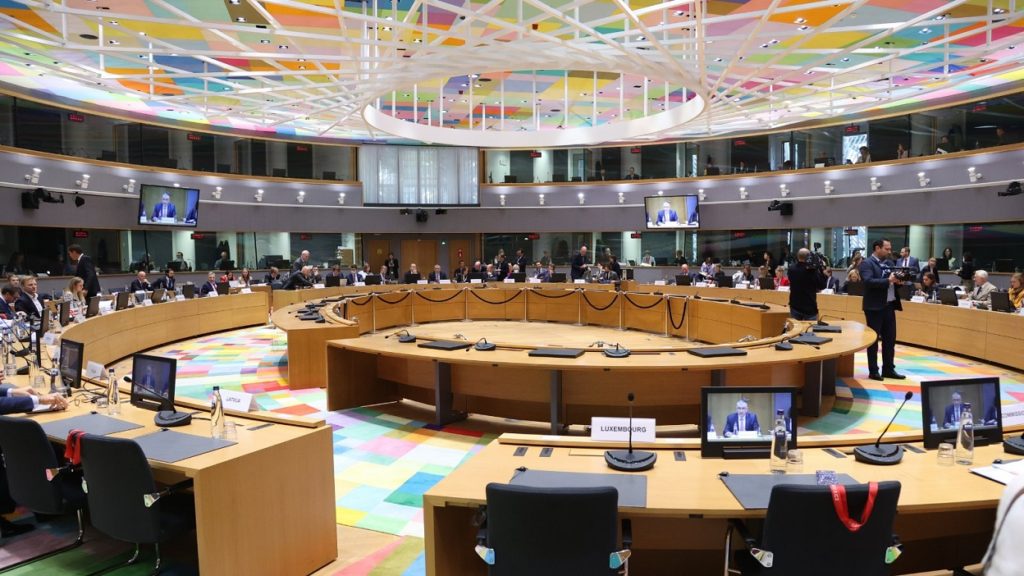
Ministers from the bloc’s 27 member states agreed to cap the market revenues at €180/MWh (US$177/MWh) for ‘inframarginal’ electricity generators, such as renewables, nuclear and lignite.
Try Premium for just $1
- Full premium access for the first month at only $1
- Converts to an annual rate after 30 days unless cancelled
- Cancel anytime during the trial period
Premium Benefits
- Expert industry analysis and interviews
- Digital access to PV Tech Power journal
- Exclusive event discounts
Or get the full Premium subscription right away
Or continue reading this article for free
Such operators “have made unexpectedly large financial gains” in recent months because of the role of coal and gas as price-setting marginal sources that currently inflate the final price of electricity, according to the European Council.
The mandatory cap on market revenues will apply across the EU from 1 December 2022 to 30 June 2023, longer than proposals put forward by the European Commission earlier this month.
Member states agreed to include the possibility for individual countries to set a higher revenue cap, use measures that further limit market revenues, differentiate between technologies and to apply limits to market revenues of other actors, including traders.
SolarPower Europe said it is “deeply concerned” about patchwork implementation as it urged member states to stick to the EU-level cap of €180/MWh and apply the cap on net market revenues only.
The trade body also called for revenues to be collected on a monthly portfolio basis to take into account all the market revenues and expenses as well as the hedging costs.
The revenue cap safeguards solar PV plants that don’t earn extra profits on electricity markets, according to SolarPower Europe.
The European Council said that the level of the cap is designed to preserve the profitability of the operators and avoid hindering investments in renewable energies.
However, as reported by PV Tech Premium last week, industry analysts have warned that the measures may cause investors to shy away from merchant business models.
Meanwhile, some national governments are already planning new taxes that would come on top of the emergency EU measures, according to WindEurope, which said these additional proposals include taxes on electricity producers’ total revenue, rather than their profits.
The trade association added: “Investors will simply go elsewhere. To the US for example, where the Inflation Reduction Act has big tax credits for renewables investments.”
Under the proposals from the European Commission, published earlier this month, surplus revenues from power generators will be channelled by member states to final electricity consumers who are exposed to high prices. These revenues can be used to provide income support, rebates, investments in renewables, energy efficiency or decarbonisation technologies.
Alongside the revenue cap, the ministers agreed today to set a mandatory temporary solidarity contribution on the profits of businesses active in the crude petroleum, natural gas, coal and refinery sectors.
Member states also agreed to a mandatory target to reduce their electricity consumption from December to March.