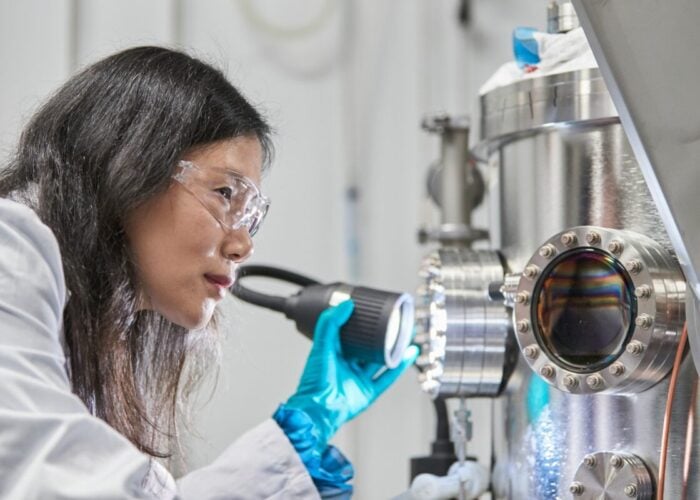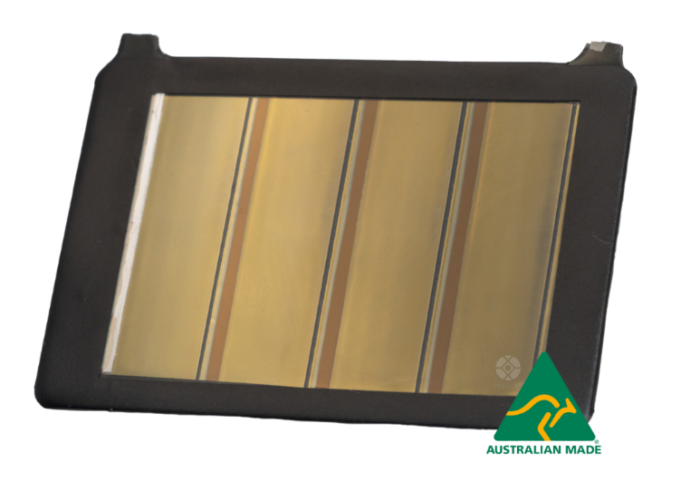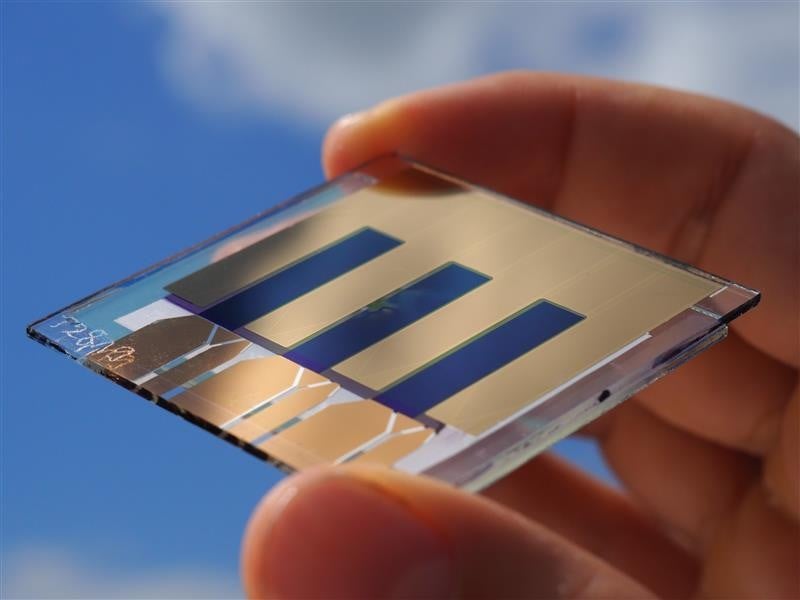
German research organisation Fraunhofer ISE and the Materials Research Center at the University of Freiburg have developed the world’s most efficient 1cm2 organic solar cell (OSC), with a conversion efficiency of 15.8%.
Dr Uli Würfel, department head at Fraunhofer and group head at the Materials Research Center explained that by applying an “anti-reflection coating” to the surface of the cell, it can absorb more light, improving its overall efficiency.
Try Premium for just $1
- Full premium access for the first month at only $1
- Converts to an annual rate after 30 days unless cancelled
- Cancel anytime during the trial period
Premium Benefits
- Expert industry analysis and interviews
- Digital access to PV Tech Power journal
- Exclusive event discounts
Or get the full Premium subscription right away
Or continue reading this article for free
The researchers also noted that the material used in this coating could have other uses in the solar sector, most notably in transparent solar modules, most often used as part of building-integrated PV structures. The team is working on a project known as “See-Through-PV” to find the most efficient form of transparent solar panel, and are considering the use of this coating as a building material in these panels due to its transparent nature. The research project is due to be completed in March 2025.
“Cross-thematic work is the great strength of the institute,” said Professor Dr Andreas Bett, institute director at Fraunhofer ISE, discussing the value of working with such a multi-disciplinary team. “Parallel in-house research on different photovoltaic technologies and their respective manufacturing processes inspires collaboration and synergy effects.”
This is not the first time that these research organisations have worked together on solar cell efficiency. These organisations previously held the record for the most efficient OSC of this size, producing a cell with a conversion efficiency of 14.9% in 2020, demonstrating the significant impact this anti-reflective coating has had on the overall productivity of the cell.
The news is notable for the OSC sector in general, which has struggled to grow in line with other kinds of cells due to concerns regarding the long-term efficiency of OSCs. Earlier this year, researchers from the Hong Kong Polytechnic University developed an OSC with a record-breaking conversion efficiency of 19.31%, and improvements in OSC efficiency could help alleviate some of these concerns held by would-be backers.