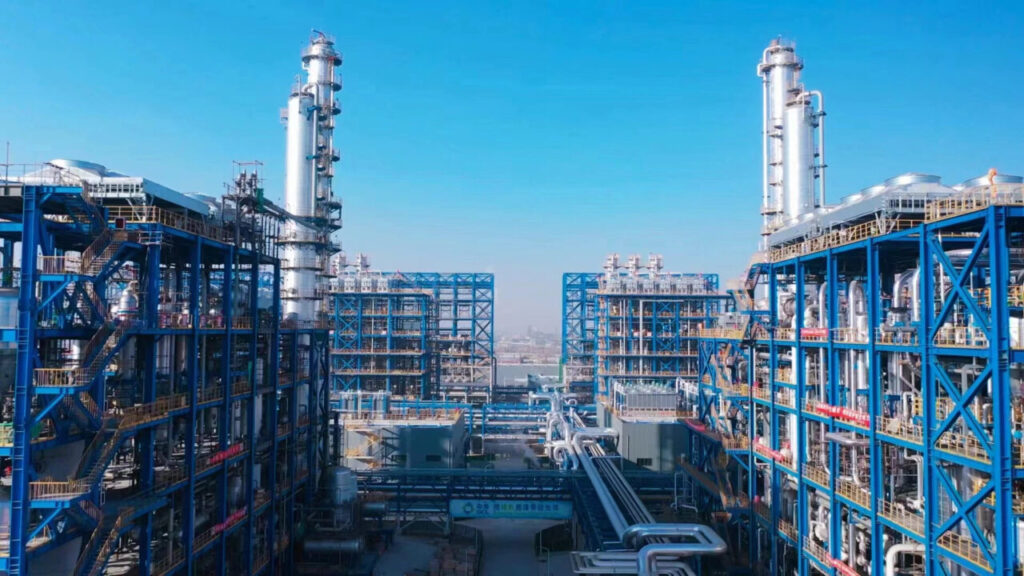
Major Chinese polysilicon producer GCL Technology has posted net losses of RMB2.9 billion (US$406 million) in the first nine months of 2024.
The company attributed this loss to the ongoing average selling prices (ASP) of polysilicon and silicon wafer products, which it said have “significantly declined” compared with the equivalent period in 2023.
Try Premium for just $1
- Full premium access for the first month at only $1
- Converts to an annual rate after 30 days unless cancelled
- Cancel anytime during the trial period
Premium Benefits
- Expert industry analysis and interviews
- Digital access to PV Tech Power journal
- Exclusive event discounts
Or get the full Premium subscription right away
Or continue reading this article for free
Over the period, GCL’s solar material business posted losses of RMB1.8 billion (US$252 million).
The company produced 198,300 tonnes of granular silicon in the first three quarters of the year and shipped 207,300 tonnes. Q3 shipments increased markedly to 80,900 tonnes, up from 60,120 tonnes in Q2.
The story of growing shipments and negative margins is unsurprising. September analysis from polysilicon market expert Bernreuter Research showed that all of the major Chinese producers—Tongwei Solar, GCL, Daqo New Energy, and Xinte Energy—posted losses in the first half of 2024.
At the beginning of 2023, polysilicon was trading at around RMB230/kg. As of last week, it was around RMB40/kg.
In its announcement of Q1-3 results, GCL said: “In the second half of 2024, the prices of polysilicon [will] fall below the production cash cost for the entire industry.” In August, PV Tech reported that Daqo New Energy had been selling below production cost in Q2.
GCL continued: “The industry maintains low levels of operation with a roughly balanced supply and demand.”
In a LinkedIn post last week, head of Bernreuter Research, Johannes Bernreuter, said: “The polysilicon industry in China remains caught in a quagmire of low demand, continuing oversupply, and a price stalemate.”
PV Tech published similar sentiments in our PV Price Watch, published today, which found the trading volume of polysilicon in the last week was “extremely low”.
The low prices and overcapacity of polysilicon in China have rippled downstream in the solar supply chain. Major module producers like JinkoSolar have also seen sustained losses, despite significantly expanding product sales, as a direct result of plummeting prices.