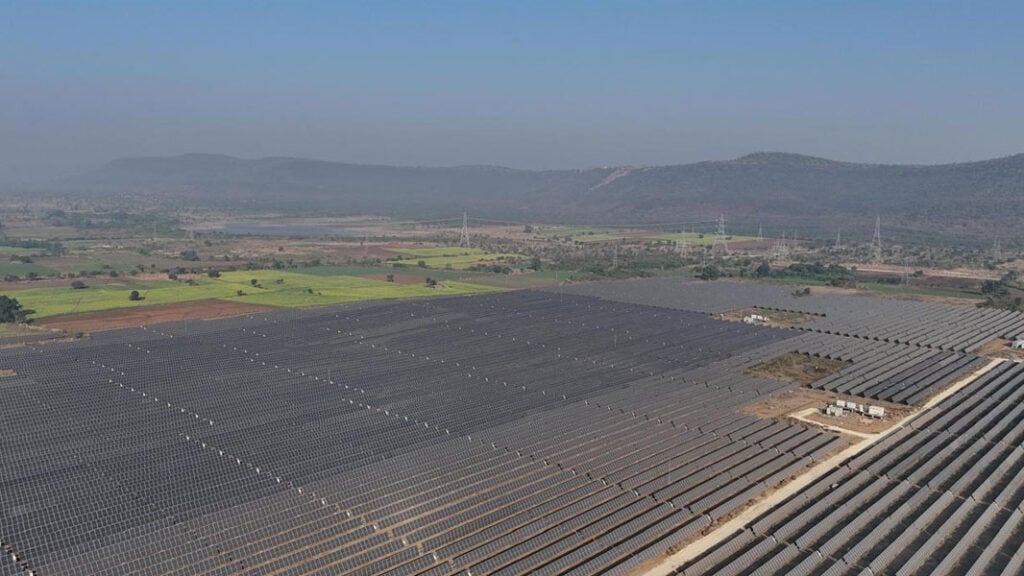
India has become the third-largest country by installed renewable energy capacity, reaching 274.68GW, with over 150GW of solar PV capacity, according to statistics from the Ministry of New and Renewable Energy (MNRE).
The country is now only behind China and the US in terms of cumulative total renewable energy capacity, and continues to expand. International Renewable Energy Agency (IRENA) statistics for 31 December 2025 said India had 250.62GW of total renewables generation capacity, while MNRE figures show a further 24.68GW added in the three months to 31 March.
Try Premium for just $1
- Full premium access for the first month at only $1
- Converts to an annual rate after 30 days unless cancelled
- Cancel anytime during the trial period
Premium Benefits
- Expert industry analysis and interviews
- Digital access to PV Tech Power journal
- Exclusive event discounts
Or get the full Premium subscription right away
Or continue reading this article for free
The MNRE said it is still aiming to achieve Prime Minister Modi’s pledge to reach 500GW of renewable energy and nuclear capacity on India’s grid by 2030.
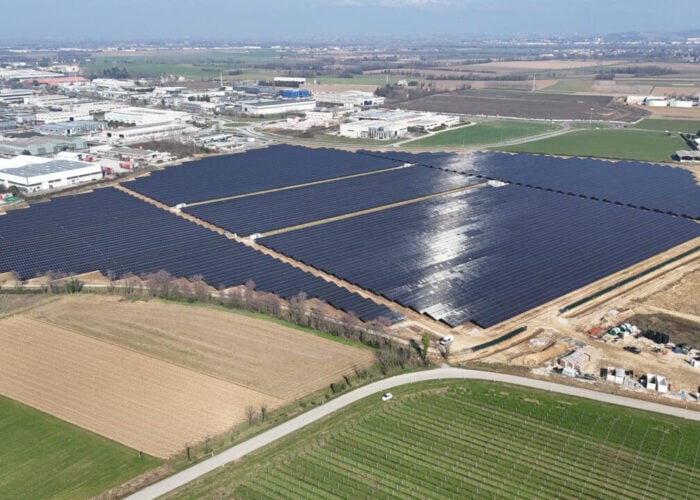
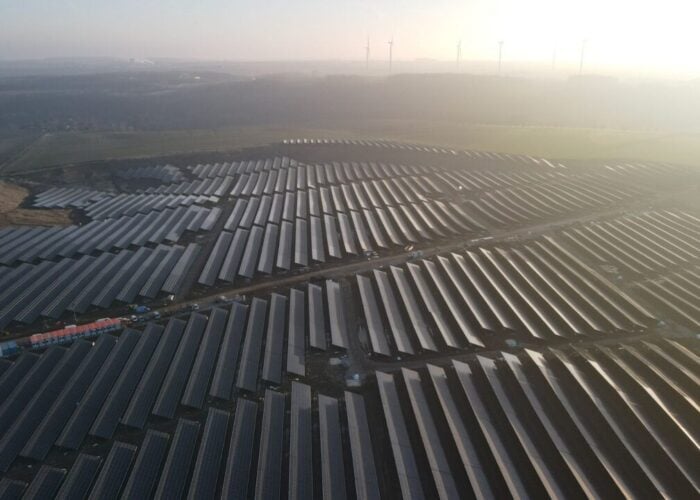
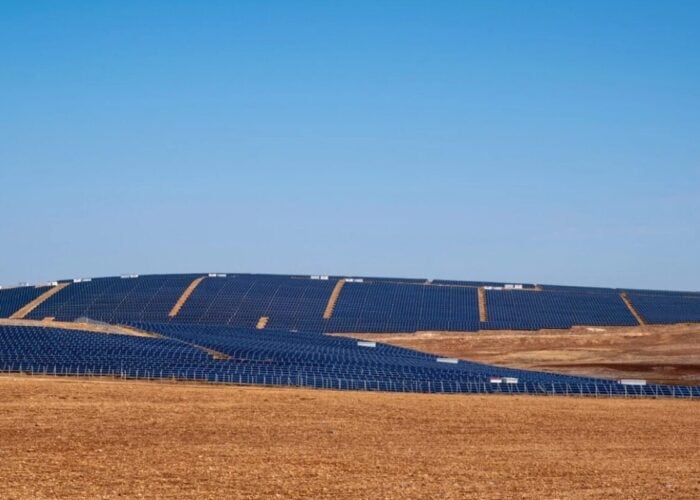
Total solar capacity has increased by 53.28 times since 2014, the MNRE said, rising from 2.82GW in March 2014 to over 150GW in March 2026. It said that the current 150.26GW includes 110.43GW of utility-scale solar, 25.73GW of rooftop and 14.10GW of KUSUM & off-grid projects that support agricultural operations.
The financial year (FY) 2025-26 saw a number of landmarks, the ministry said. It marked the highest solar capacity addition of any single year (44.61GW), more than double the previous record in 2024-25; this included the highest capacity additions in a single month (6.6GW) and the biggest expansion of distributed and KUSUM-backed solar projects (16.31GW).
This expansion meant that non-fossil fuel sources produced 29.2% of India’s electricity over the course of FY 2025-26, with a peak of 51.5% in July 2025.
A report from energy thinktank Ember published this week showed that co-located solar and energy storage projects could theoretically meet 90% of India’s power demand by using around one third of the total possible capacity the country could deploy.
Indian solar manufacturing expansions
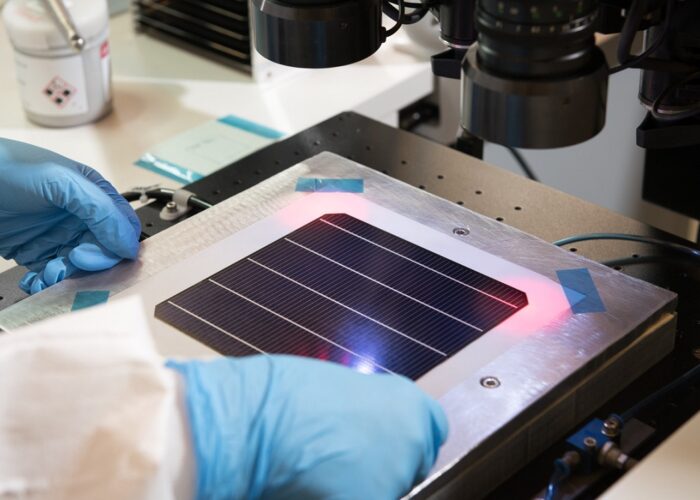
Last year also saw big expansions in India’s solar manufacturing sector. The MNRE said that around 98GW of solar module manufacturing capacity was added in FY 2025-26, bringing the cumulative total to 172GW.
Indeed, module production facility announcements have come thick and fast in recent months, with expansions from major players like Waaree and Premier Energies alongside less recognised names. Market research firm Mercom puts India’s module production capacity even higher than the MNRE, estimating around 210GW of total module manufacturing capability.
As a result, the MNRE said that Indian imports of solar modules have declined threefold between 2024-25 and 2025-26, from over US$2,152 million worth of products to around US$758 million.
There is also growing upstream capacity. Mercom said cell production capacity reached 27GW in 2025, and efforts are planned to begin producing silicon wafers and ingots. Last month, Waaree began construction on a 10GW wafer and ingot plant in the state of Maharashtra, and the MNRE said it plans to begin an incentive scheme for ingot and wafer production under its Approved List of Models and Manufacturers (ALMM) programme in June 2026.