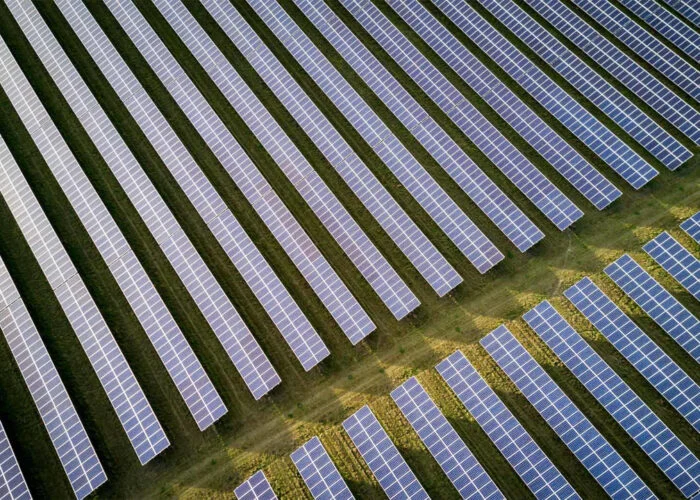
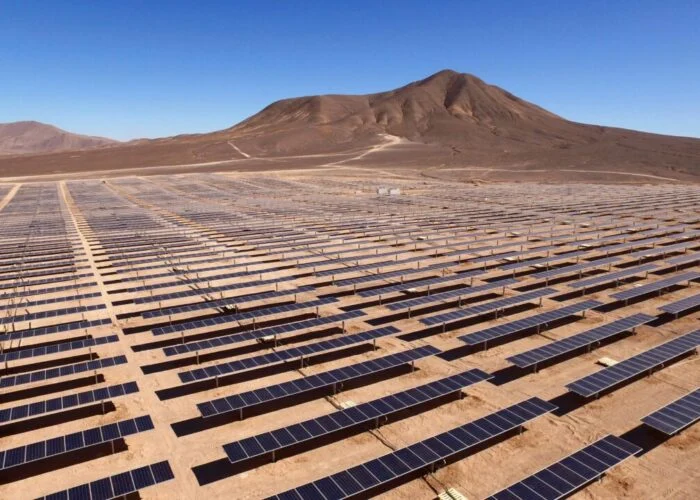
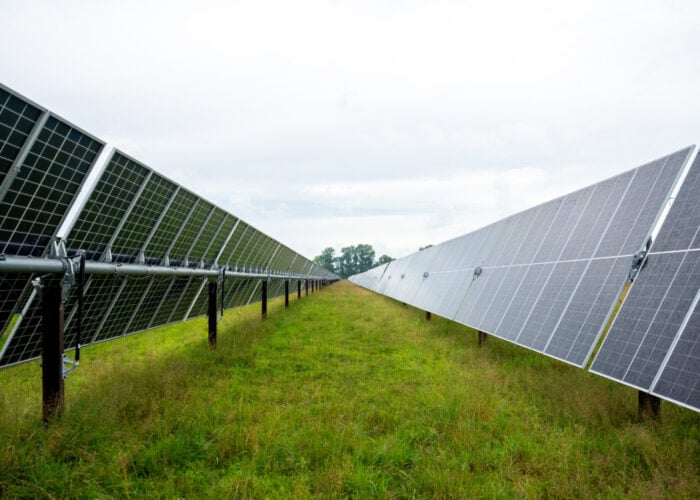
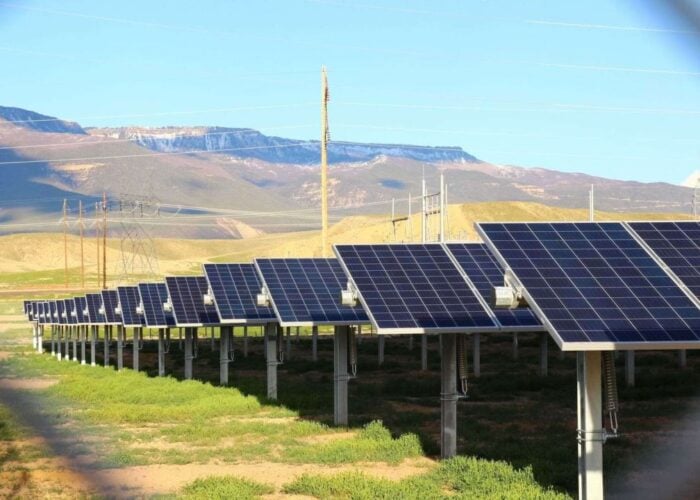
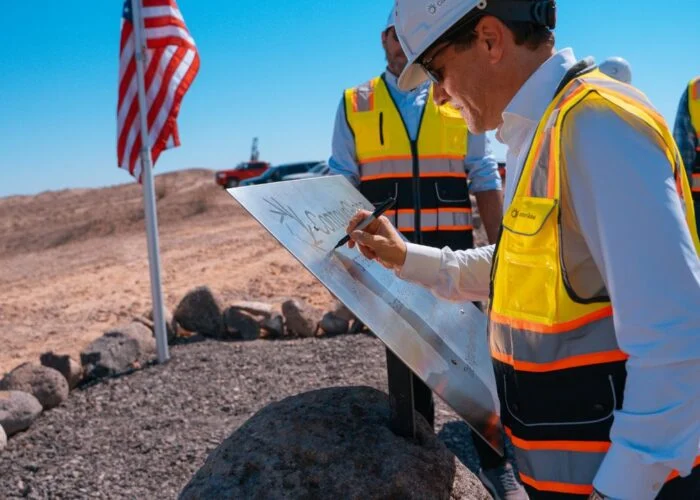
US independent power producer (IPP) Origis Energy has secured US$118 million in tax equity financing for the Chalan solar-plus-storage project in Kern County, California.
The project is currently under construction, and will pair a 65MW solar PV facility with a 25MW/100MWh battery energy storage system (BESS). The latest round of financing comes from RBC Community Investments, which describes itself as a “syndicator” of investments across a number of sectors, including renewable energy.
Try Premium for just $1
- Full premium access for the first month at only $1
- Converts to an annual rate after 30 days unless cancelled
- Cancel anytime during the trial period
Premium Benefits
- Expert industry analysis and interviews
- Digital access to PV Tech Power journal
- Exclusive event discounts
Or get the full Premium subscription right away
Or continue reading this article for free
The transfer of tax credits had emerged as a key driving force behind US solar project financing under the Biden administration. According to the American Council on Renewable Energy (ACORE), the tax equity investor will typically receive 99% of the tax attributes—alongside a share in the project’s cash of between 5-30%—until a “specific predetermined benchmark” is reached. At that point, the investor’s tax allocation decreases, usually to around 5%, with the project developer then taking on the remaining 95% of the tax benefits.
This deal structure allows tax equity investors to shoulder more of a project’s start-up costs than a developer—which investors are often in a position to do—and receive the majority of the tax attributes once the project starts commercial operation. The developer is incentivised by this structure as they can meet the project’s initial capex needs, and can start to benefit from its tax attributes later in the project’s operational life.
However, the Trump administration has since sought to cut back many of these tax credits, aiming to phase out investment tax credits (ITCs) and production tax credits (PTCs) by 2028. Last year, a report from the American Council on Renewable Energy (ACORE) found that uncertainty regarding the future of tax credits could stifle “billions of dollars” of potential private sector investment into the industry.
Origis signs PPA with Pioneer Community Energy
Origis, meanwhile, expects to begin commercial operations at the Chalan project in the fourth quarter of 2026, and has signed a 20-year power purchase agreement (PPA) with Pioneer Community Energy, a not-for-profit electricity provider in California, to sell power generated at the project.
The news follows several project advancements for Origis, which have been centred predominantly in Texas. Last month, the company secured US$545 million for a 413MW solar portfolio in the state and in January, Origis signed a 303MW offtake agreement with Meta for a project expected to come online later this year.
This week has also seen other financing arrangements in the US solar sector, with consumer energy platform Palmetto announcing plans to complete a transfer of US$300 million in investment tax credits (ITCs) to two “Fortune 1,000” partners. The platform did not provide further details on the transaction, aside from a note that the ITCs would “accelerate deployment of solar and storage projects,” particularly for residential customers facing higher energy bills.